Resilience & Inner Strength
The Ability to Stay, Not Just to Try
Courage gets you into a hard pose. Resilience is what keeps you there once your arms start shaking and every instinct says to drop out. It's a quieter skill than courage, less about a single brave decision and more about tolerating discomfort for longer than feels comfortable, breath by breath.
Most of these poses aren't especially demanding in the first few seconds. It's the tenth breath, the fifteenth, where the actual test starts. Plank Pose is simple to get into and genuinely hard to stay in, and that gap between entering and enduring is exactly what this page trains.
There's no single traditional centre this maps to cleanly, resilience shows up as much in the legs holding a lunge as in the arms holding a plank. The common thread is duration, not difficulty at the start.
Maybe it's a period that requires sustained effort rather than one hard push, a demanding project, a long recovery, a situation that isn't resolving quickly. Maybe you just want practice tolerating discomfort without immediately looking for the exit. These poses build that specific skill, staying present and steady past the point where quitting starts to sound reasonable.
Sustained Holds — Where Resilience Actually Gets Tested
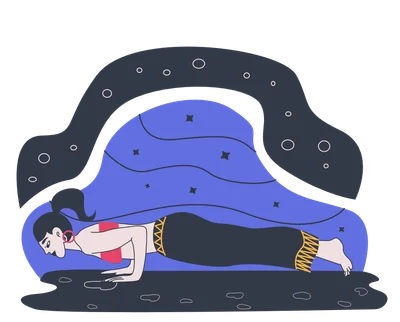
Chaturanga Dandasana
A low hover, simple to describe and genuinely hard to hold for more than a few seconds. Most of the difficulty shows up after the pose has already started, not at the entry.
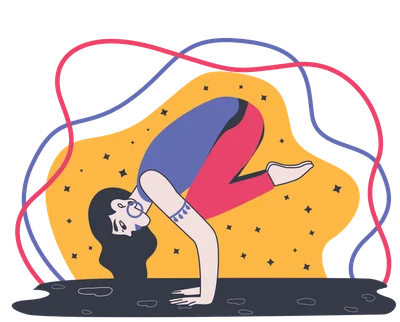
Bakasana
Getting into Crow Pose is one thing. Staying there while your arms fatigue and your balance wavers is a different, longer test entirely.
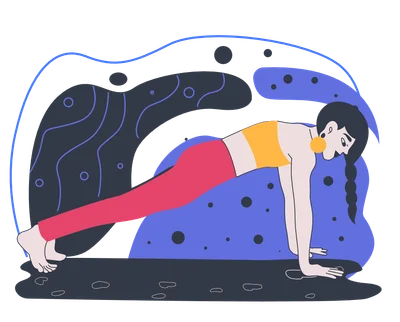
Utthita Chaturanga Dandasana
The most straightforward hold on this page, and one of the hardest to actually sustain honestly. The shoulders and core keep asking to quit well before the muscles are actually spent.
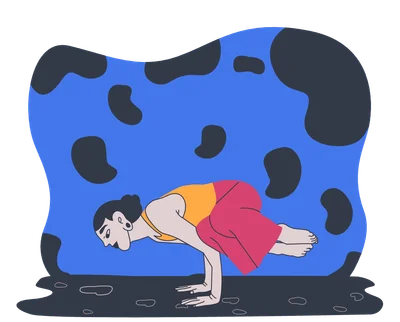
Parsva Bakasana
A twisted arm balance that asks for the same sustained effort as Crow Pose, with a rotation added that makes every extra second noticeably harder to hold.
Standing — Staying Steady Under Fatigue
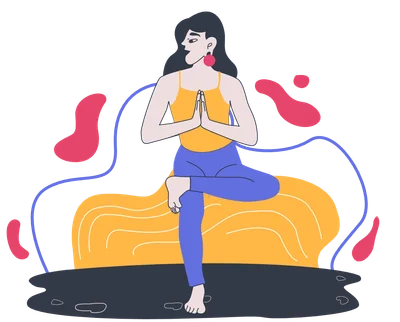
Eka Pada Utkatasana
A squat on one leg, and the burn builds steadily the longer it's held. The temptation to straighten the leg even slightly grows with every breath.
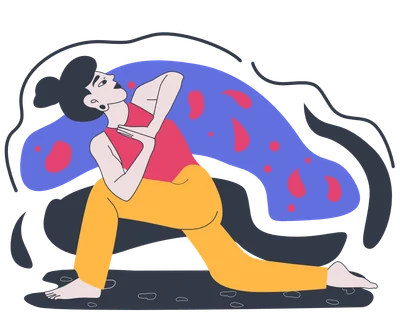
Parivrtta Anjaneyasana
A lunge with a twist held rather than flowed through, and the legs start shaking well before the pose is actually over if it's held honestly.
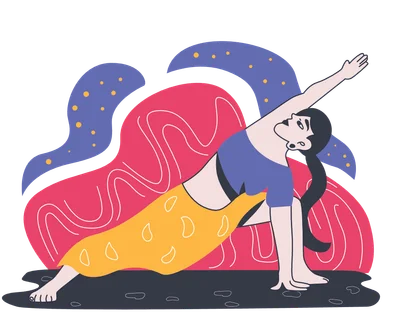
Utthita Parsvakonasana
A long, held stretch under real muscular effort, and the reach tends to shrink slightly with fatigue unless you actively resist that.
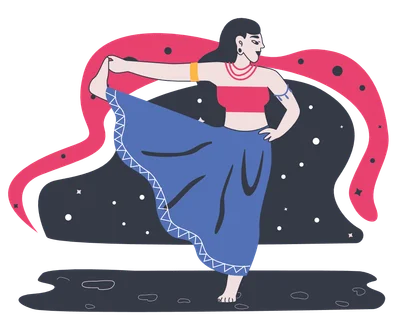
Utthita Hasta Padangusthasana B
A held leg out to the side, and the standing leg has to keep recommitting to the balance every few seconds as fatigue sets in.
Seated, Supine and Inverted — Enduring Without Drama
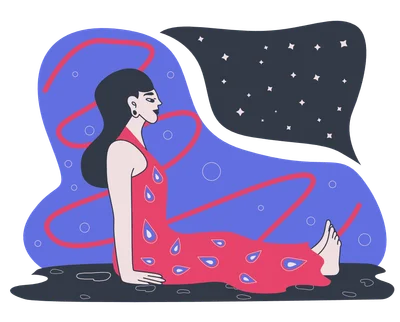
Dandasana
It looks like simple sitting, and holding it correctly, spine lifted, legs active, for more than a minute reveals how much effort a supposedly resting pose actually requires.
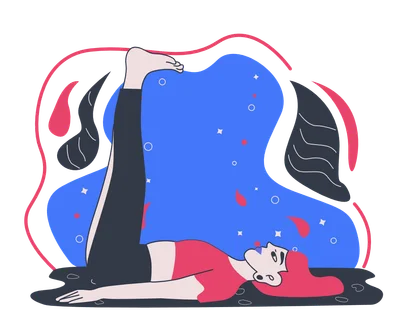
Urdhva Prasarita Padasana
The legs lower and lift slowly and repeatedly, and each round asks the same question again, whether to keep going with control or let the last few reps get sloppy.
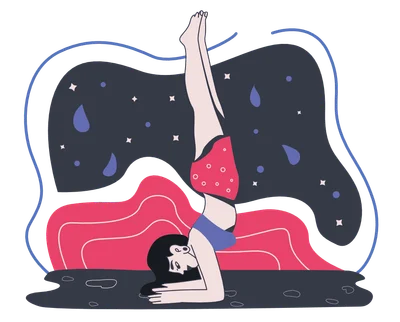
Pincha Mayurasana
An inversion that takes real, sustained shoulder engagement to hold, and the temptation to come down early shows up long before the shoulders are actually failing.
A 20-Minute Resilience Sequence
Same idea as always. Not five random poses, there's a build to it: arrive, build through poses that ask for more sustained effort each time, meet a hold you have to genuinely stay inside of, then close back where you started.
- 2One-Legged Chair Pose8 breaths each side
Build. The burn building steadily, the temptation to ease off growing with it.
- 5Upward Extended Feet Pose8 rounds
Release. Each round asking the same question again, control or sloppiness.
Notice that the sequence returns to Staff Pose at both ends, the same shape, but it asks something different of you the second time, after the practice has already tested your ability to stay. Resilience shows up more clearly in that second sit than in the harder poses in between.
Teaching a Resilience & Inner Strength Class
Give a specific breath count rather than an open-ended "hold as long as you can", ten honest breaths teaches more than an anxious thirty seconds of counting down. Normalize shaking and fatigue out loud, it's a sign the pose is working, not a sign of doing it wrong. Building a full class around this theme: the Sequence Builder lets you start from any of these poses and adjust hold times, order and how much standing versus floor work you want.
Open the Sequence Builder →Build Your Resilience & Inner Strength Practice
Get my practiceFrequently Asked Questions
What makes a yoga pose good for building resilience?
Poses that are relatively easy to enter but genuinely hard to sustain, planks, held lunges, arm balances. The test happens over time, not in the first few seconds.
How is resilience different from courage in yoga?
Courage gets you into a demanding pose in the first place. Resilience is what keeps you there once the initial nerve has worn off and fatigue actually sets in.
How long should I hold a resilience pose?
Longer than feels entirely comfortable, eight to ten breaths on most of these, since the point is specifically staying past the moment you'd normally quit.
Are these poses suitable for beginners?
Start with Staff Pose and the standing holds like Extended Side Angle Pose. Crow Pose, Side Crow and Forearm Stand further up are worth building toward. This is general information, not medical advice. See the medical disclaimer.
Related Practices