Let's be honest: most people start yoga because they think it's about stretching. After a few years on the mat you realize there's much more to it, and that's exactly why I'm writing this comprehensive guide to yoga postures, the asana encyclopedia, meant to show you how much depth slumbers in each individual posture. An asana is not an isolated muscle test, but a tool with which you address body, breath and mind at the same time. The yogis of the ancient scriptures described asana as a stable, comfortable seated posture for meditation, long before anyone thought of fitness.
In this encyclopedia you'll find postures for every level, from the first wobbly attempts in Tree Pose to the more complex inversions. We look at what happens in your body, what philosophical meaning resonates with it and how you avoid typical stumbling blocks. Think of it as a map, not a checklist.
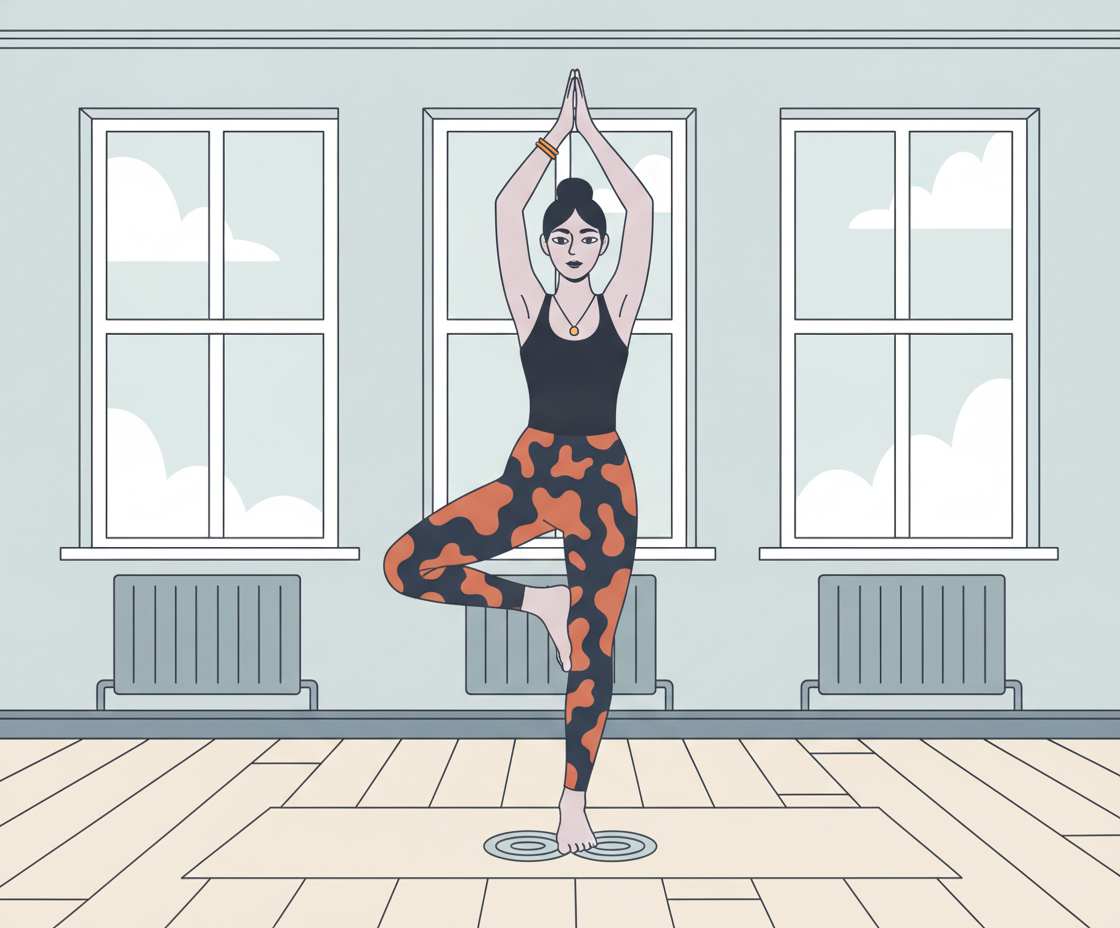
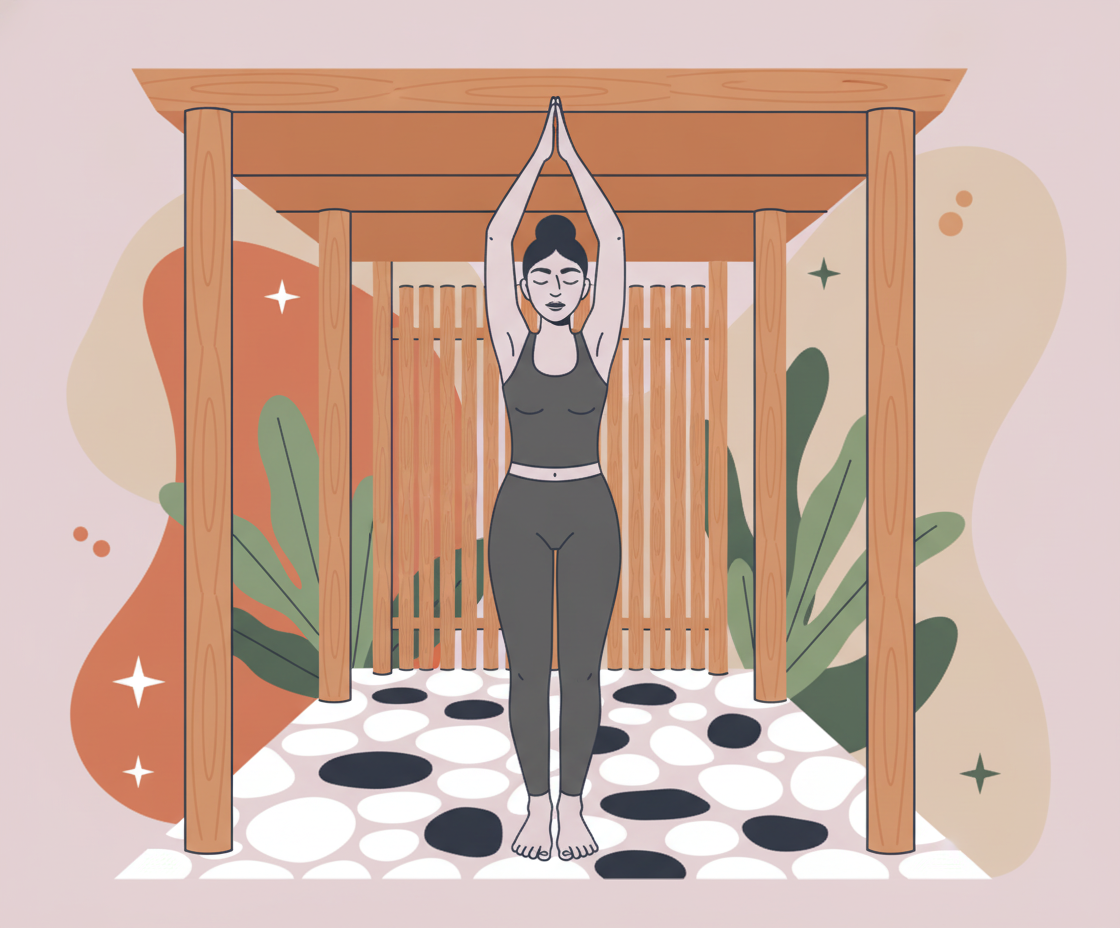
Tadasana – Mountain Pose as the starting point for all yoga positions
What is an asana encyclopedia and why a comprehensive guide to yoga postures matters
An asana encyclopedia is not a simple picture book with names underneath. A truly comprehensive guide to yoga postures places each position in a larger context: which muscles work, which energy flows, which mental effect can set in. This is precisely what distinguishes a well-thought-out reference work from a mere list of yoga positions, the kind you google together in five minutes. As a model, Light on Yoga by B.K.S. Iyengar still serves well today, the classic standard work that not only shows asanas but explains them with surgical precision, alignment by alignment. Anyone who wants to read on in a structured way will find at Iyengar Yoga Freiburg a curated collection of literature recommendations around this tradition. In my courses I've often seen how students suddenly realize after years that they never really understood a posture, only imitated it.
The historical root: from meditation preparation to modern practice
Most people think asanas were invented for the gym. Not true. The postures originally arose so that a body could sit still long enough to meditate at all. A stiff back or tense hips make hours of sitting simply impossible. The traditional yoga scriptures describe asanas in exactly this sense: as tools to make the body supple enough for inner stillness, not as an end in themselves. This root is worth knowing when you leaf through an asana guide in German, because it explains why some postures feel so uncomfortable until the mind relaxes.
Asanas as body-mind tools
A good yoga asana encyclopedia treats each posture as a tool with a dual effect, physical and mental. The yoga posture overview shows you not only how to place your feet, but also which nervous-system pattern the position addresses. Backbends often open something emotionally closed off, forward bends have a calming effect on an agitated system. For beginners this means: you learn to recognize limits before the body shows them to you painfully. Advanced practitioners suddenly discover new nuances in the same posture, a slight rotation in the foot, a more conscious exhale that changes the whole effect. Anyone who prefers to learn visually rather than leafing through books will find at the online yoga studio YogaEasy over 2,000 videos in which experienced teachers demonstrate exactly these nuances. And that this effect is not pure gut feeling is shown by a collection of scientific studies from Fitreisen, which proves that certain asanas can measurably reduce back and neck pain. It is precisely these types of asanas and their effects that turn a simple reference work into a real practice book for life.
The basics: Tadasana (Mountain Pose) and the principles of corrective body alignment
Before we plunge into twisted leg variations and upside-down things, we have to start at zero. And zero means: simply standing. Tadasana, Mountain Pose, looks like nothing at first glance. No showcase moment for Instagram, no muscle acrobatics. That's exactly why it is constantly underestimated, yet it is the foundation on which every other asana in the encyclopedia builds. Anyone who is sloppy here carries the error into every warrior variation and every inversion.
I always tell my students: Tadasana is your zero point, your compass. Once you know how a neutral pelvis, activated foot arches and a long neck feel in this one posture, you can transfer the feeling to any other position, from the warrior to the headstand. A structured yoga asana guide shows exactly this: how to practically practice 22 asanas, but always returning to this reference. Standing upright is no small matter mentally either. Anyone who stands up, lets the shoulders sink, lifts the sternum slightly, often immediately feels a clearer head. Uprightness in the body and uprightness in the mind are connected, that is not an esoteric claim, but something you can verify yourself in thirty seconds.
The guide mentioned names six principles that recur in almost every posture: root the base stably, align the knees toward the toes, keep the pelvis neutral, lengthen the spine instead of compressing it, actively draw the shoulders down and back and use the breath as guidance instead of holding it. Sounds technical, but is simple: anyone who internalizes these six points in Tadasana later avoids the classic mistakes in lunges or balancing postures.
The asana encyclopedia of Yoga Vidya describes, alongside the physical, also the energetic effect of postures, and with Tadasana that is grounding with a simultaneous upward movement through the crown. This double movement, roots downward, growth upward, is the principle you find again in almost every further posture.
Dynamic postures: Adhomukha Shvanasana (Downward-Facing Dog) and its variations
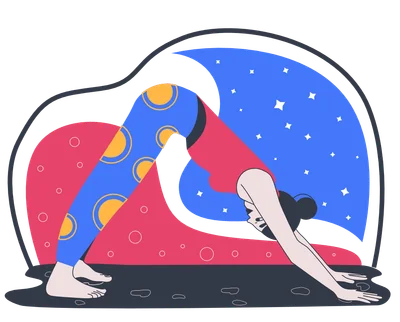
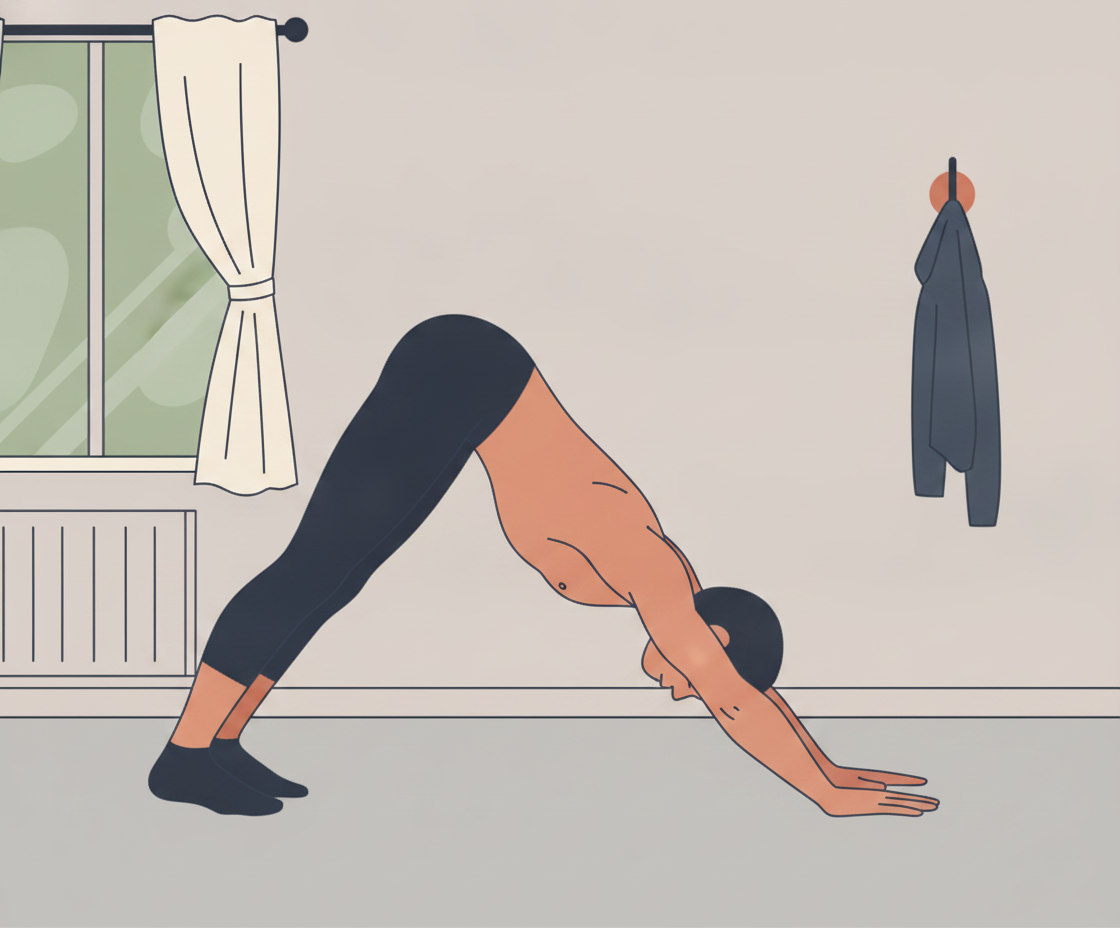
Downward-Facing Dog connects more than any other asana in my teaching. Adhomukha Shvanasana is not a rest break between exercises, even if it's often used that way. It is a full inversion. It demands strength in the arms and shoulders, simultaneously stretches the back of the legs and brings the head below the heart. It is precisely this combination that makes it one of the central bridge asanas in the entire repertoire. No serious asana encyclopedia manages without it.
Physically, Downward-Facing Dog builds strength in the shoulders, triceps and the lateral trunk, while calves, the back of the thighs and the fascia of the soles of the feet are stretched. The asana encyclopedia of Yoga Vidya describes exactly this double effect. Strength building and stretching happen simultaneously, that makes the posture so efficient. Energetically, the slight inversion has a calming effect on the nervous system. The head sinks below heart level, the breath becomes longer, the mind comes down. Many of my students notice after a few breaths how their thoughts sort themselves out.
Integration into vinyasa flows
In vinyasa sequences, Downward-Facing Dog functions as a return point from which new movement impulses start. A structured yoga exercises and yoga asana guide shows how 22 asanas can be sensibly built around exactly such anchor points, supplemented by six principles for injury prevention. These are especially important with frequently repeated transitions. Embedded between Chaturanga and Upward-Facing Dog, the Dog gives the flow rhythm and structure, almost like a breath between two sentences.
Modifications for different body types
Beginners may readily bend the knees and lift the heels off the floor. Then length arises in the spine instead of pull in the calves. Anyone with little shoulder strength places the hands wider and turns the fingers slightly outward. Advanced practitioners can actively push the heels toward the floor or switch from the Dog into a three-legged variation. The inversion position itself, head below heart, teaches us in passing to reverse perspectives in the mind when we are stuck.
Adhomukha Shvanasana – one of the most important dynamic transitional postures in yoga
Resting postures and transitional poses: Balasana (Child's Pose) and its therapeutic function
After so much strength building and inversion work, we now need something completely different: the conscious retreat. Balasana, Child's Pose, is exactly that. You sit on your heels, fold the upper body over the thighs and place the forehead on the mat. No feat of strength, no stretch that burns. Only retreat. That's exactly why it belongs in every asana encyclopedia that deserves the name, whether you're a beginner or have been practicing for years.
The psychological significance of retreat postures
I remember a student who worked for years in an office job with constant pressure to be reachable. When she stayed in Balasana longer for the first time, she suddenly began to cry, quietly, almost surprised at herself. Later she told me it had felt like the first time in months that no one wanted anything from her. With another student, a marathon runner, a deep, audible sigh came instead, almost like a valve finally opening. These are not isolated cases. Again and again I experience how people briefly let go of the control in this posture that they otherwise maintain all day long. The bent, inward-turned form reminds the body of a state before all effort, almost as in the first weeks of life. Psychologically, this retreat position allows you to let go of the constant outward focus and look inward. No achieving, no showing, just being. The asana encyclopedia of Yoga Vidya describes exactly this energetic effect: the posture has a calming effect on the nervous system and creates space for introspective clarity.
Use in regeneration and stress relief
Physically, quite a lot happens here: the bent position gently compresses the abdominal space, breathing automatically becomes deeper and slower. This activates the parasympathetic nervous system, our rest nerve, and brakes the sympathetic stress response, which often still reverberates after an intense flow. That's why I deliberately use Balasana after strenuous sequences, as a regeneration stop before the circulation calms down and the mind follows.
Integration practice between active asanas
Balasana also functions as a link between strength poses, as a breather in the vinyasa or as an independent, meditative practice at the end of a session. This dual function makes it indispensable in every overview of yogic positions: transitional posture and goal at the same time.
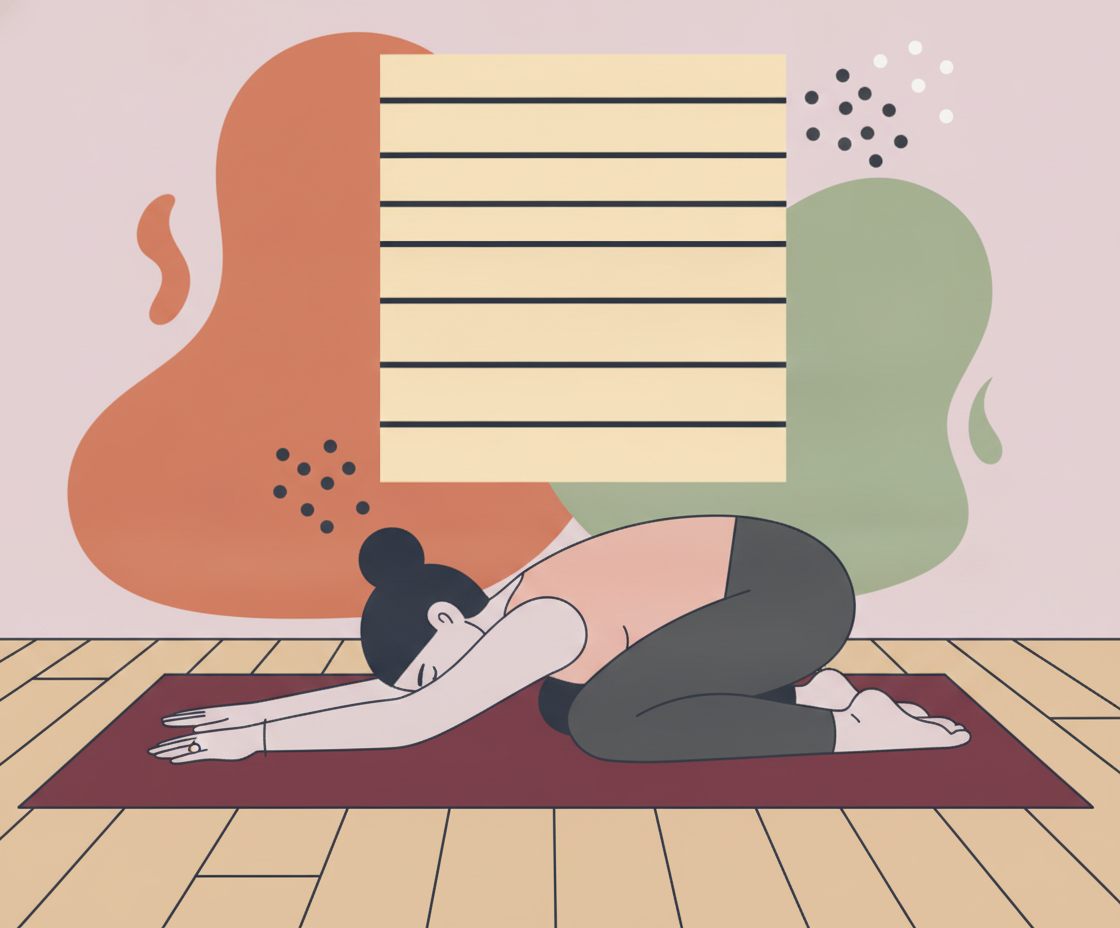
Balasana – Child's Pose for recovery and inner calm
Systematic navigation in the asana encyclopedia: categorization, classification and individual sequencing
A good asana guide in German is not a dictionary for memorizing, but a map. As soon as you understand the logic behind it, you stop leafing through randomly and start searching purposefully. Yoga Vidya describes exactly this aspiration in its asana encyclopedia: not only showing what a posture looks like, but explaining what it does in the body and energetically. It is precisely this connection that turns a mere list of yoga positions into a real learning tool.
This very map instead of memorizing is the essence of Om Aim Saraswatyai Namaha, the mantra for clarity, knowledge and creative insight. As a daily reminder of this, there is our Saraswati shirt (https://asanaverse-shop.com/en-eur/collections/saraswati), so you carry Saraswati with you at all times, even when the mat is far away.
The classic division into standing postures, forward bends, backbends, inversions and twists is more than a sense of order. Each category has its own direction of effect. Standing postures ground and build strength in the legs, forward bends calm the nervous system, backbends open the chest and heart space, inversions turn the gaze inward and twists detoxify and mobilize the spine. If you know these types of asanas and their effects, you can build a sequence that gives your nervous system what it needs right now, instead of just looking pretty.
From beginner to advanced: progressive learning
I've experienced countless students who wanted to fixate on a posture for which their body was simply not yet ready. Progressive learning means: you proceed via preliminary stages, not via ambition. A structured yoga practice guide shows this vividly by building up twenty-two asanas step by step and naming six principles for injury prevention, such as warming up, alignment and honest pausing before the point of pain. Psychologically, something important happens in the process: you learn not to expect progress to be linear, and you develop patience with yourself when a posture once again seems unreachable.
Creating personal practice sequences
A good sequence arises from three questions: what is my energy level today, what is my goal, and what does my body type need right now? A stiff back calls for gentle forward bends before deep backbends, a tired head for grounding instead of inversions. Note down three to five postures from different categories and connect them with calm breath. This turns the yoga posture overview into a practice that really suits you, not a foreign class schedule.
Conclusion: the asana encyclopedia as a companion on the yoga path
An asana guide in German can provide you with the name, alignment and effect of each posture, but the real work happens on the mat, not in the text. Every asana carries a story within it, sometimes from an animal, sometimes from a legend, sometimes from centuries of observation of how breath and body relate to each other. Yet your body rewrites this story anew every day. What was tight yesterday may open up today. The encyclopedia gives you the map, you walk the route yourself.
From reference to personal insight
I've taught enough students to know: knowledge about the names of yoga positions is no substitute for a single second of practice. Only when you stay in the posture and feel where resistance shows itself does theory become insight. So use the asana encyclopedia as a starting point for questions to yourself. Why does my leg tremble in the warrior? Why does this one inversion feel light today? That is exactly where real practice begins.
Next steps for your practice
Choose a posture from the types of asanas and their effects that appeals to you right now, and stay loyal to it for a few weeks. Observe how it changes. If your body seeks support, don't hesitate to consult a teacher. Personal feedback replaces any yoga-figures encyclopedia. And when you're ready, dig deeper: the philosophy behind the postures, the connection to breath and attention, waits there where mere execution ends.
Don't understand this encyclopedia as an end point, but as an invitation. The yoga path begins exactly where looking things up ends and feeling begins.

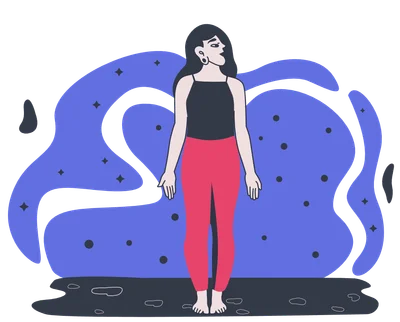 AsanaMountain PoseTadasanaTo the asana →
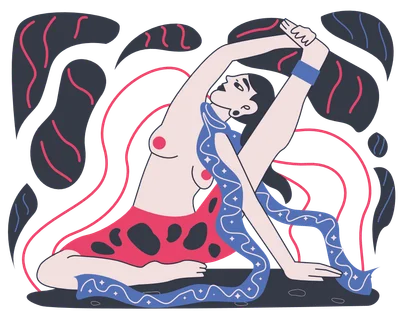 AsanaCompass PoseSury YantrasanaTo the asana →