Tension Release
Where the Body Files Its Complaints
Stress doesn't stay abstract for long. It shows up as a locked jaw, shoulders creeping toward the ears, a lower back that's tight for no clear reason you can point to. The mind moves on to the next thing while the body keeps holding whatever it was holding during the stressful moment, sometimes for hours after the moment's actually over.
These poses target the places tension collects most reliably, shoulders, neck, lower back, hips, mostly through slow, sustained stretching rather than anything forceful. Muscular tension tends to respond to patience and repetition, not to a single hard push.
This one leans on Muladhara, the root, less symbolically and more because a lot of stress-held tension seems to collect low in the body, hips and lower back, regardless of where the stress itself came from.
Maybe it's shoulders that won't drop no matter how many times you consciously relax them, or a lower back that tightens up every afternoon at the same time. Maybe it's more general, a body that feels braced even when nothing's actually happening. These poses work slowly and directly on the muscles doing the holding, which tends to help more than thinking your way out of it.
Lying Down — Where Tension Actually Lets Go
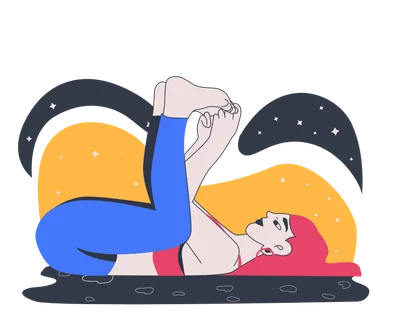
Ananda Balasana
Feet held overhead, knees dropping wide. Gravity does most of the work here, releasing tension in the hips and lower back without asking for any effort.
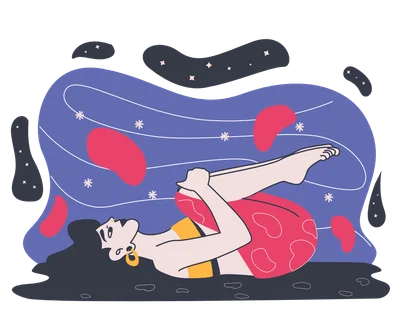
Apanasana
Knees drawn in and held against the chest, a small, gentle compression that tends to ease tension in the lower back specifically.
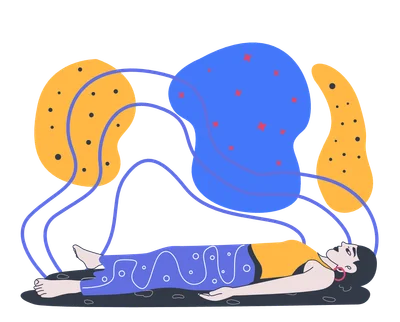
Savasana
Lying flat, doing nothing. Muscles that have been quietly braced all day often only actually let go once there's genuinely nothing left to hold up.
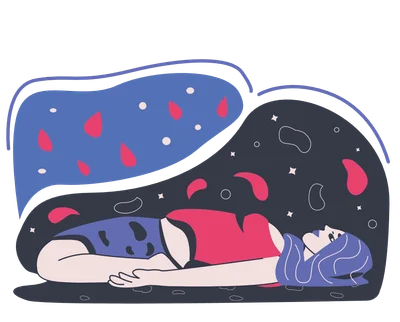
Supta Virasana
An intense stretch through the fronts of the thighs, usually with support. It reaches tension that builds up from long periods of sitting, specifically in a way few other poses do.
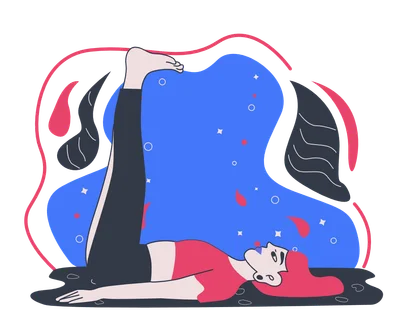
Urdhva Prasarita Padasana
Legs lifted and lowered slowly, the lower back staying pressed into the floor. Controlling the movement, rather than letting the legs drop, keeps the lower back from tensing up to compensate.
Kneeling — Slow Releases
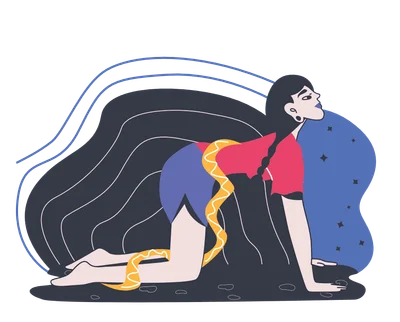
Bitilasana
A gentle arch through the spine, usually paired with Cat Pose. The slow, repeated movement releases tension along the whole back rather than one specific spot.
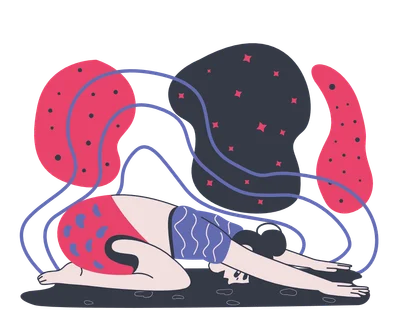
Balasana
Hips sinking back toward the heels, forehead resting down. One of the most reliable resting shapes in yoga for releasing tension across the whole back at once.
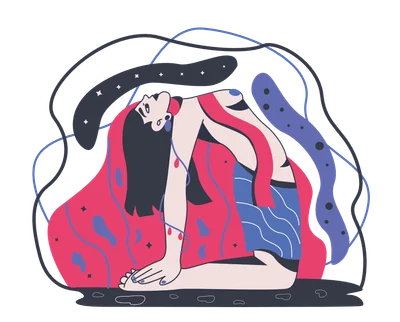
Ustrasana
A kneeling backbend that opens the chest and front of the hips, releasing tension that builds up from hours spent curled forward over a desk.
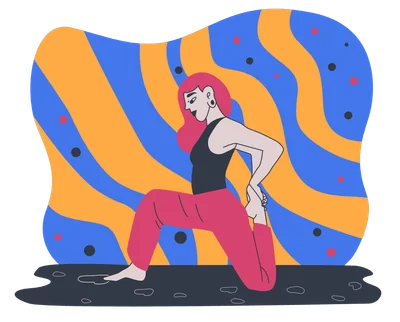
Eka Pada Rajakapotasana B
A deep hip opener with a backbend added, reaching tension in the hips that most other poses on this page don't get to.
Standing — Releasing Under Load
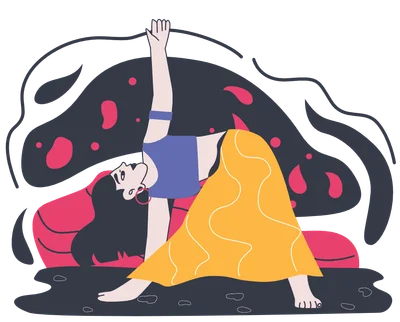
Trikonasana
A long stretch to the side, releasing tension through the side body and the backs of the legs while the legs are still doing active, supportive work.
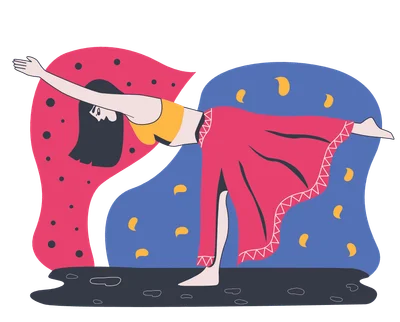
Virabhadrasana 3
The body balances parallel to the floor on one leg, and the sustained effort here tends to release tension in the standing leg and lower back once the pose is finally released.
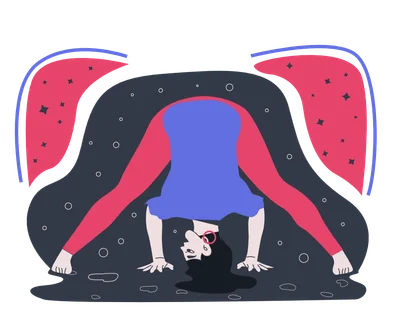
Prasarita Padottanasana
A wide stance folding forward, releasing tension through the hamstrings and lower back while the weight of the head does some of the work.
Inversions — A Full-Body Reset
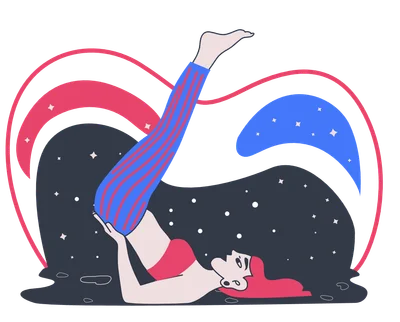
Viparita Karani
Legs resting up a wall, releasing tension that builds up in tired legs and feet from a day spent standing or sitting.
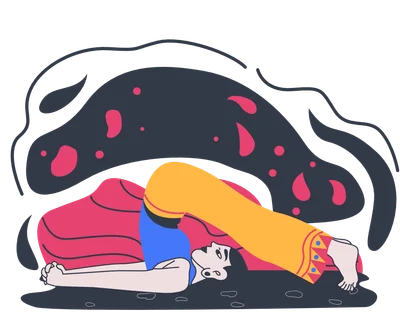
Halasana
The legs fold overhead, stretching and releasing tension along the entire back line of the body at once.
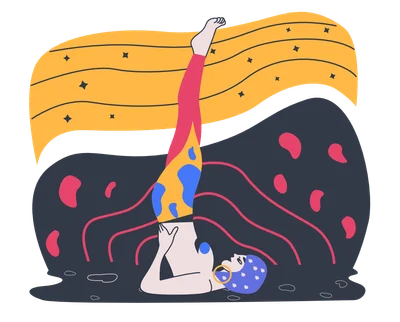
Salamba Sarvangasana
An inversion held with support from the hands, releasing tension in the legs and lower back by simply changing their relationship to gravity for a while.
Seated and Arm Support
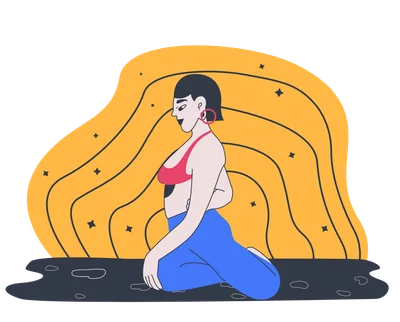
Bharadvajasana 1
A gentle seated twist that releases tension along the spine, especially in the lower and mid-back, without demanding much flexibility to get there.
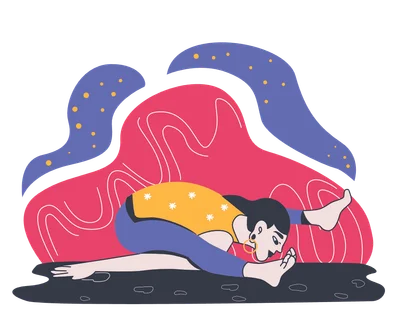
Kurmasana
A deep fold with the legs over the shoulders, releasing tension through the hips and back that builds up over a long, sustained hold.
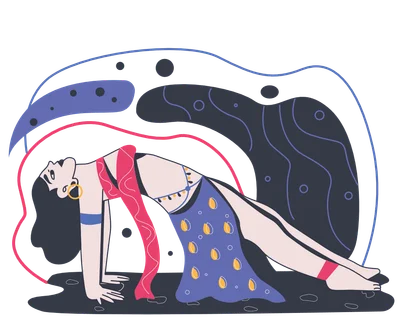
Purvottanasana
Hands and feet on the floor, the whole body lifted, releasing tension in the chest and shoulders that comes from hours spent curled forward.
A 20-Minute Tension-Release Sequence
Same idea as always. Not five random poses, there's a build to it: arrive, warm up the back through slow movement, release through the hips and chest, meet the deepest hold of the practice, then let the legs rest fully supported.
- 3Triangle Pose5 breaths each side
Build. Releasing the side body while the legs stay active underneath.
The practice works through the places tension collects most, the back, the hips, the chest and shoulders, before finishing with the legs fully supported against a wall. Releasing tension usually takes longer than creating it did, so the slow ending matters as much as the poses before it.
Teaching a Tension Release Class
Cue specific muscles rather than general relaxation, "let your shoulders drop away from your ears" works better than "relax". Give tension-release poses more time than usual, these work through sustained holding, not quick movement. Building a full class around this theme: the Sequence Builder lets you start from any of these poses and adjust hold times, order and how much standing versus floor work you want.
Open the Sequence Builder →Build Your Tension Release Practice
Get my practiceFrequently Asked Questions
What makes a yoga pose good for releasing tension?
Slow, sustained stretches through the places tension collects most, shoulders, neck, lower back and hips, held long enough for the muscle to actually let go rather than just being asked to.
Why does tension collect in the same places for so many people?
Mostly posture and habit, hours spent sitting or hunched over a screen load the same muscles the same way every day. The lower back, hips and shoulders tend to take the brunt of it regardless of the specific stress involved.
How long should I hold a tension-release pose?
Longer than most other poses, one to three minutes on the passive floor poses, since muscular tension responds to sustained holding more than to a quick stretch.
Are these poses suitable for beginners?
Yes, start with Child's Pose, Cow Pose and Legs Up the Wall. Camel Pose and King Pigeon further down are worth building toward slowly. This is general information, not medical advice. See the medical disclaimer.
Related Practices