You're sitting in savasana, eyes closed, and your phone buzzes on the mat beside you. Somewhere outside a car alarm goes off. The lights above hum faintly. Your teacher says "relax" and your mind runs through six tabs at once: the email you forgot to send, the smell of someone's lunch, the itch on your ankle. I remember the first time this happened to me as a student, and I was genuinely thrown. I thought I just had to lie still and the stillness would follow. It didn't. My eyes were shut but my attention kept jumping out the door after every sound, every smell, every small itch, like a dog straining at a leash. I remember thinking, why can't I even do this one simple thing.
That reaction is not a personal failure. It's just what an untrained nervous system does when the senses stay wide open all day, every day, for years. So what is pratyahara, this withdrawal of the senses that yoga texts keep pointing to as the missing piece? It's the fifth limb in the eight limbed path laid out in the Yoga Sutras, sitting right between the physical and mental disciplines and the deeper, quieter work of concentration and meditation. Pratyahara is the deliberate pulling in of attention from sound, sight, taste, touch, and smell, not by shutting the world out, but by loosening its grip on you.
Pratyahara is the hinge point where yoga stops being something you do with your body and starts becoming something you do with your attention. Over the next sections we'll get into what actually happens in the brain when the senses turn inward, which asanas and techniques help you practice this on the mat, and why this often overlooked limb might matter more than any pose you've ever tried.
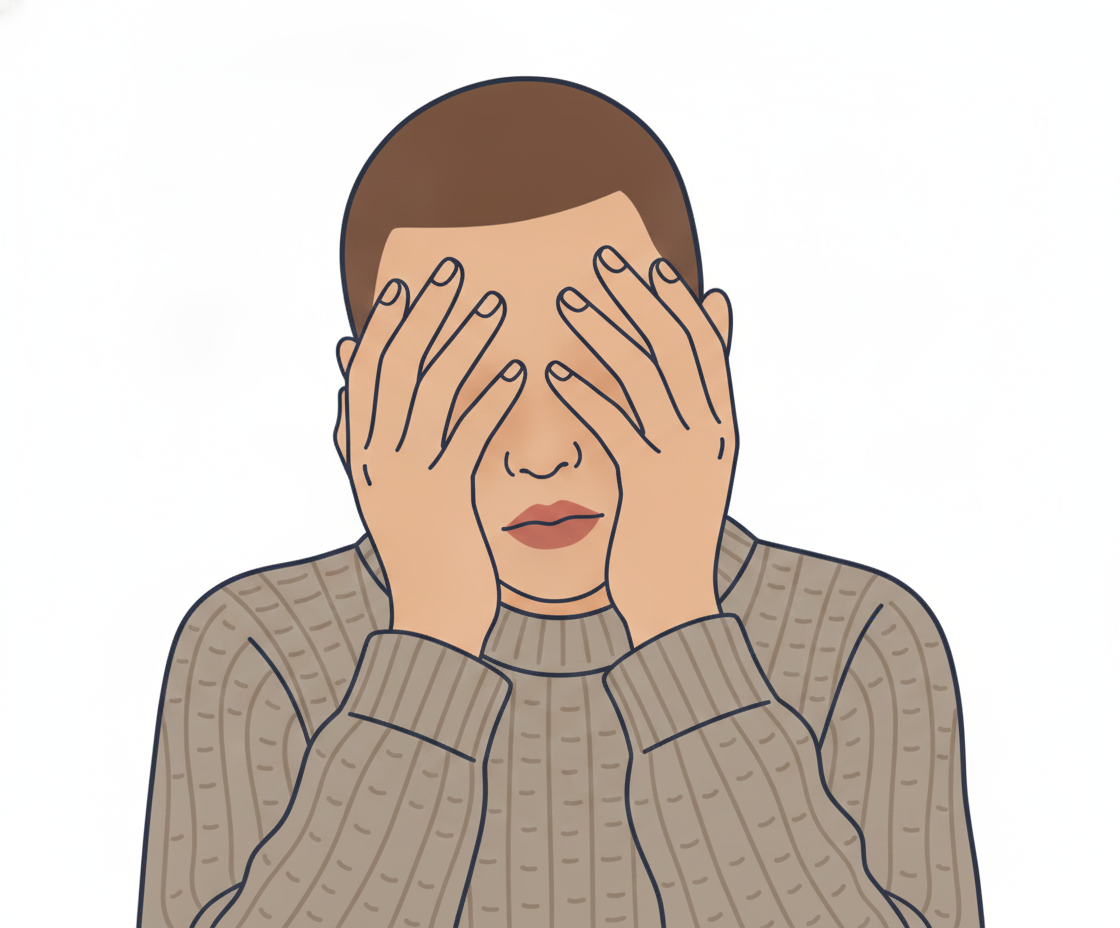
Der Moment der Sinnesrückwendung: Pratyahara ermöglicht es, die äußeren Reize bewusst zu filtern
What Is Pratyahara? The Fifth Limb of Yoga Explained
The Sanskrit Meaning and Patanjali's Definition
Break the word apart and it tells you almost everything. Ahara means to bring toward, to feed, to draw in, it's the same root you find in ahara as diet or nourishment. Prati means against or away. Put together, pratyahara describes a movement in two directions at once: away from the pull of external objects, and toward something quieter inside. That double motion is the whole teaching in a single compound word.
Patanjali, the sage credited with compiling the Yoga Sutras into their classical form, defines pratyahara in verses 2.54 and 2.55. The Sanskrit there is precise: when the senses stop chasing their objects and instead follow the shape of the mind itself, that withdrawal is pratyahara. As the Yoga Sutra puts it, when the senses are drawn back, they come to rest, because the mind has come to rest. Notice the order. The senses don't grow quiet first and drag the mind along behind them. The mind settles, and the senses, no longer given anywhere to run, settle with it.
This is where sense withdrawal in yoga gets misread. Pratyahara isn't suppression, it isn't numbing yourself to sound or sight or sensation. The eyes still see, the ears still hear. What changes is whether that input gets to hijack your attention. Think of a sound at the edge of a room during meditation. Untrained, your awareness leaps toward it immediately. With practiced sense mastery in yoga, the sound arrives, gets registered, and simply doesn't pull you anywhere.
Pratyahara in the Eight-Limb Path
In the traditional map of Ashtanga's eight limbs, pratyahara sits fifth, right in the middle. Behind it: yama, niyama, asana, and pranayama, the ethical groundwork and physical practices. Ahead of it: dharana, dhyana, and samadhi, concentration, meditation, absorption. Classical texts on Raja Yoga describe pratyahara as the hinge between these two worlds, the point where outer discipline turns into inner work.
That positioning isn't accidental. You can't skip straight from postures to deep meditation, the senses won't allow it, they're still wide open and reaching outward. Pratyahara is the deliberate turn inward that makes concentration even possible. It's less a technique you master once and more a threshold you learn to recognize and cross, again and again, every time your attention wanders back out into the room.
How the Mind and Senses Work Together: The Science of Sense Withdrawal
Why External Stimuli Dominate Attention
Your nervous system didn't evolve for calm. It evolved to notice the rustle in the bushes before you could consciously register why it mattered. That orienting reflex, snapping attention toward movement, sound, sudden light, kept your ancestors alive, and it still runs the show today. The problem is your brain doesn't distinguish between a predator and a notification buzz. Both get flagged as urgent. Both pull you outward.
This is why sensory withdrawal in meditation feels so unnatural at first. You're not fighting laziness or lack of discipline, you're working against a survival mechanism that treats every ping, every conversation nearby, every flicker in your peripheral vision as potentially important. Sit still for five minutes and you'll feel it: attention gets grabbed before you even decide to give it away.
The Neuroscience of Turning Inward
When that filtering kicks in during practice, something shifts in the brain itself. The default mode network, the circuitry active when you're not focused on a task, normally spends a lot of time scanning outward, checking the environment, running social calculations, half listening for anything relevant. As the senses draw inward through pratyahara, that network reorganizes toward internal processing instead of external monitoring. The mental noise doesn't vanish, but it stops competing for your attention the same way, and that's exactly the condition deeper meditation needs to take hold.
This lines up with something Patanjali, the compiler of the Yoga Sutras, observed centuries before anyone had a word for neural networks. In sutras 2.54 and 2.55, he describes how the senses settle once they stop chasing their objects, and the mind settles as a direct result. He wasn't describing suppression. He was describing a redirection so complete that stillness becomes the natural outcome, not an effort you maintain. Modern cognition research just gives us a mechanism for what he'd already mapped through observation.
Pratyahara in Practice: Asanas and Techniques for Sense Withdrawal
You can't grit your teeth and force your senses inward. What works is putting the body somewhere it feels so safe and so still that the senses give up reaching outward on their own.
Foundational Asanas That Support Pratyahara
Savasana, or Corpse Pose, is where I see this happen most reliably. You lie flat, arms loose, legs heavy, nothing left to hold up. When the body has zero physical task left to perform, the nervous system stops sending it status updates, and awareness naturally drifts inward. I've watched students who fidget through an entire class go completely quiet within two minutes of lying down. That's not relaxation for its own sake. That's pratyahara showing up uninvited.
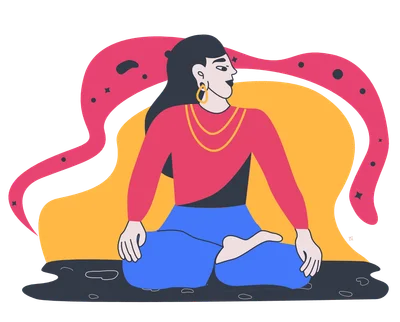
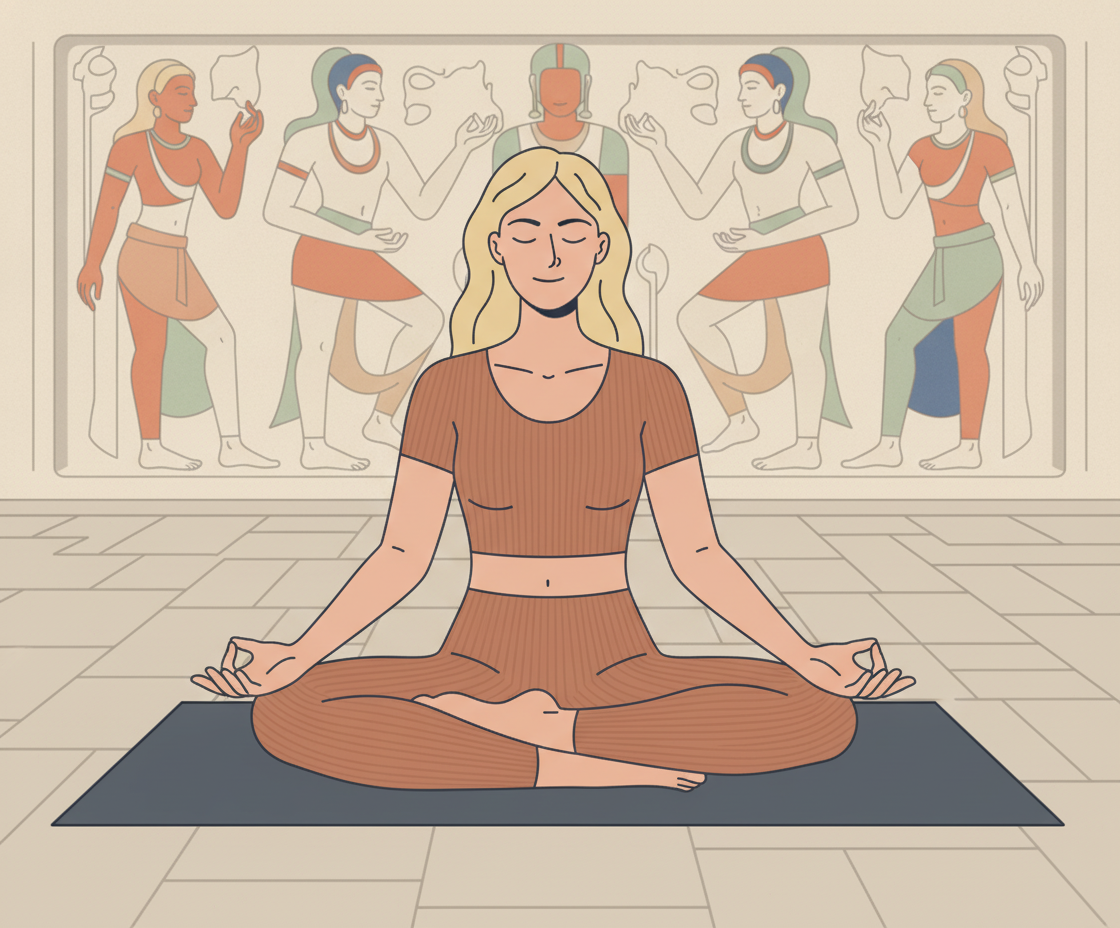
Padmasana, the Lotus Pose, works differently but points the same direction. The crossed legs create a stable base, a kind of anchor, so the spine can rise without effort and the mind stops negotiating with balance or discomfort. It's a classical meditation seat for a reason: once the body is settled into that shape, there's less noise competing for your attention, and sense withdrawal becomes the path of least resistance rather than a battle.
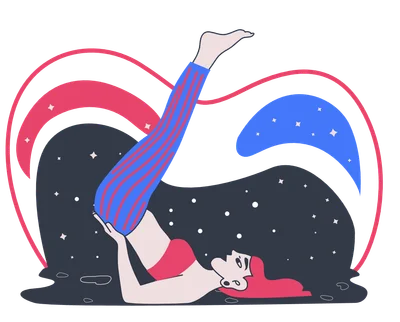
Then there's Viparita Karani, Legs Up the Wall, which I hand to students dealing with anxiety or a wired, overstimulated nervous system. The mild inversion shifts blood flow and calms the fight-or-flight response almost immediately. You feel your breath slow down before you've consciously tried to slow it. That physiological quieting is exactly the soil pratyahara needs to take root.
Start small. Close your eyes first, just that, and notice how much mental effort was going into processing what you saw. Next, soften your attention to sound. Don't fight the noise around you, just stop chasing it. Finally, let awareness settle on the breath or on physical sensation, the weight of your body, the pulse in your palms. This is a quiet preparation for meditation, not a performance.
One thing I repeat constantly: comfort isn't optional here. If your knees ache in Padmasana or your lower back complains in Savasana, your senses will stay glued to that discomfort no matter how many pratyahara techniques you attempt. Support yourself with props, blankets, whatever you need. Mastery over the senses in yoga doesn't come from enduring pain. It comes from feeling safe enough to stop paying attention to the body at all.
The Gateway Between Effort and Ease: Why Pratyahara Matters
The Transition Point in Spiritual Practice
In the eight limbs of yoga, Patanjali draws a hard line right after Pratyahara. The first four limbs, the ethical codes, the postures, the breathwork, are all about doing something. The last three, concentration, meditation, and absorption, are about being. Pratyahara sits exactly on that seam. It's the last thing you actively practice before practice itself starts to fall away.
Here's why that matters. Most people attempt meditation the way they'd attempt a headstand: force the position, grit through the discomfort, hope stillness shows up. But the mind that's still being pulled outward by sound, by itch, by the mental replay of your last conversation has nothing to sit on. You can't meditate your way into presence if your attention is still being hijacked by everything around you. Pratyahara is what makes the sitting possible in the first place.
Pratyahara as Liberation From Sensory Slavery
Classical yoga philosophy names two forces that keep consciousness looping outward: raga, our pull toward what feels pleasant, and dvesha, our push away from what feels unpleasant. Together they run most of a human day. You're not really choosing your attention, your attention is being pulled and shoved by whatever your senses report. That's the pattern pratyahara interrupts.
The Yoga Sutras describe this directly: when the senses are withdrawn, they come to rest, because the mind itself has come to rest. This is a teaching passed down through tradition, not a clinical claim, but it points at something real. Pratyahara is the moment you stop being unconsciously steered by sensory input and become the one watching the input happen. That shift, from reactor to observer, is quiet, but it's total.
Patanjali calls the result of mastering this limb a supreme mastery over the senses. Not suppression. Not shutting the world out. Sovereignty. The senses still function, sound still arrives, sensation still exists, but they no longer own you. That's the real promise underneath pratyahara bedeutung: not silence, but choice. And choice, in yoga philosophy, is the first taste of freedom.
This kind of sovereignty over the senses is exactly what the mantra Om Namah Shivaya points to: letting go of illusion, turning inward, and choosing stillness over the pull of distraction. As a daily reminder, there is our Shiva shirt, so you carry that quiet mastery with you long after you've rolled up the mat.
Pratyahara in Modern Life: Reclaiming Attention in a Distracted World
Sensory Overload and the Need for Withdrawal
One of my students told me about her Tuesday morning: three tabs open, a podcast playing, phone buzzing with a group chat, and her kid asking for breakfast, all before 8am. She said her chest felt tight but she couldn't name why. Nothing dramatic had happened. Her nervous system was just doing what it does when every sense is being pulled in five directions at once: staying on high alert, waiting for the next ping.
That's not a personal failing. That's the design. Notifications, autoplay, ambient screens in every waiting room, they're built to hijack your attention and keep it. Your senses were never meant to process this much input, and your body pays the bill in tension, shallow breath, and a mind that won't quiet down even in bed. This is exactly the overload pratyahara, the yogic practice of withdrawing the senses, was mapped out to address, long before anyone imagined a smartphone.
Digital Stimulus and the Ancient Practice
Here's what's wild: a practice this old has become this relevant. The sages who described withdrawing the senses inward weren't dealing with algorithms, but they understood something universal about attention: whoever controls where it goes, controls the mind. Today that battle for your attention has a business model behind it. Choosing to close your eyes and turn inward for ten minutes isn't quaint. It's an act of resistance against systems engineered to keep you scrolling.
My student tried it that same week. Sat on the floor, eyes closed, no timer, just attention on her breath and the sounds fading into the background. Five minutes in, she said it felt like the volume on the world got turned down for the first time all day. Nothing about her situation changed. What changed was who was driving. That's pratyahara in modern life: not escaping the noise, but finally deciding you get to choose what gets in.
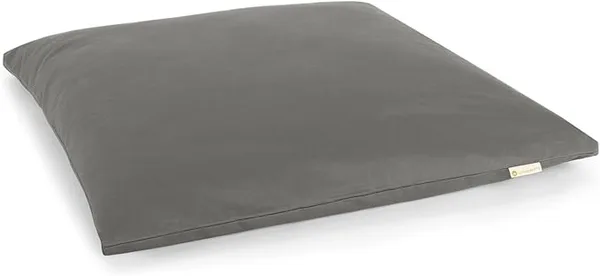
Alltägliche Hilfsmittel für die Pratyahara-Praxis schaffen eine reizarme Umgebung
From Withdrawal to Meditation: The Path Forward
Here's the part that trips people up: pratyahara was never the finish line. Yama and niyama, the ethical groundwork, get your relationships and your conscience out of the way. Asana steadies the body. Pranayama settles the breath. All of that labor exists for one reason: to quiet the gateway of the senses enough that the mind stops chasing every flicker of stimulation. Once that gateway closes gently, something becomes possible that wasn't there before. Dharana, the sixth limb, means holding attention on one single point without it sliding away every four seconds. Try that with your senses still wide open to every notification and hallway conversation, and you'll last about as long as a candle in wind. Only in the stillness of withdrawn senses can awareness gather itself into one place. Pratyahara isn't the reward for your practice, it's the doorway into the practice that actually matters.
Building a Personal Practice
You don't need a retreat or a special cushion to test this. Give it seven days. Ten minutes a day, either in Savasana or Padmasana, whichever lets your spine settle without fuss.
Days one and two, just close your eyes and follow the breath. Nothing fancy, just notice the inhale and the exhale as they happen. Your mind will wander constantly. That's not failure, that's the baseline you're working with.
Days three and four, add a light body scan before you settle into breath watching. Move attention slowly from your feet to your scalp. This gives the senses something inward to hold onto instead of drifting straight back out to the hallway noise or the itch on your arm.
By day five, when a sound or an itch or a thought pulls your attention outward, notice that too, without judgment, and let it drift back in. You're not fighting the distraction, you're just declining to follow it.
Days six and seven, extend the sit by a few minutes if you can, and pay attention to how quickly you return inward compared to day one. Most people notice the withdrawal deepen on its own by now, not because they forced it but because the body learns the pattern.
Pratyahara isn't a box you check once and move past, it's a skill you keep sharpening for as long as you practice. Every time you sit down and choose to turn the senses inward, you're reclaiming a small piece of agency over your own experience, one breath, one session, one quiet gateway at a time.
Sources & further links
If you want to go deeper than this article, here is where to look next. Some sources are ancient, some are modern teaching bodies putting old ideas into practice.
Start with Patanjali's Yoga Sutras, the classical text where pratyahara first appears as the fifth of the eight limbs of yoga, sitting right between pranayama and dharana. It is a short, dense text, but it is the root of everything written about pratyahara since, including this article.
Jivamukti Yoga, one of the well known modern schools built on classical philosophy, teaches pratyahara explicitly as part of its eight limb framework and offers practical guidance on drawing the senses inward, not just naming the concept but showing students how to work with it on the mat.
Iyengar Yoga Source, run by certified Iyengar teachers, applies pratyahara to a very contemporary problem: how to find inner quiet in a world built to hijack your attention. Their material is worth reading if you want the bridge between ancient text and modern nervous system.
Arjun Yoga offers a solid overview of pratyahara as the fifth limb, including practical exercise types you can try on your own, useful if you prefer a structured, step by step entry point rather than philosophy alone.
None of these sources will hand you the experience of pratyahara. That only comes from practice, from sitting still long enough to notice your senses turning inward on their own. But they will give you the map, and a map is worth having before you walk the road.

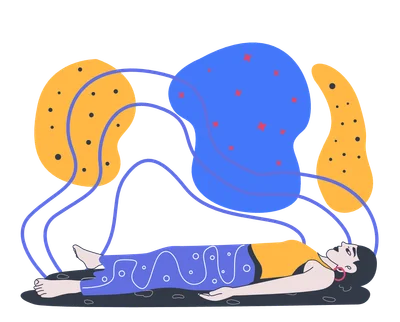 AsanaTotenstellungSavasanaZur Asana →