Hormonal & Glandular Balance
Four Poses, and an Honest Word About What They Do
Shoulderstand and Plow Pose press the chin firmly toward the chest, and traditional yoga texts connect that pressure to the thyroid gland sitting right there in the throat. It is one of the oldest claims in the practice and it gets repeated almost everywhere, usually without much hedging.
The honest version is more modest. Inversions genuinely change circulation and pressure through the neck and torso, and a lot of people find this group of poses deeply calming, which matters, because stress hormones are the part of this picture that yoga most plausibly touches. Claims about directly regulating thyroid output go further than the evidence supports.
So this is a short page. Four poses rather than thirty. They belong together because they share a real physical quality, being upside down with the throat compressed, not because four poses add up to a complete endocrine protocol.
Perhaps you read somewhere that inversions help with thyroid issues and wanted to know what sits behind that claim. Perhaps you already practise Shoulderstand and keep seeing it filed under this heading. Either way, what is genuinely useful here is a small, well-ordered inversion practice and a clear sense of where the traditional claim ends and wishful thinking begins.
Getting the Shoulders Ready
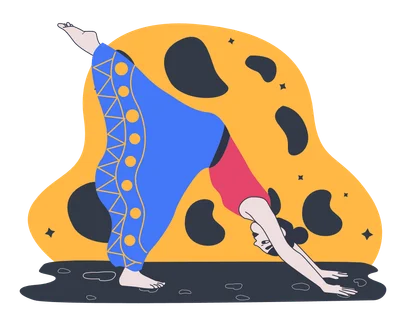
Eka Pada Adho Muhka Svanasana
One leg lifts from Downward Dog, which warms the shoulders and opens the hips while the head is already below the heart. It is the gentlest way into being upside down and a sensible first step before anything on this page.
The Shoulderstand Family — Where the Throat Claim Comes From
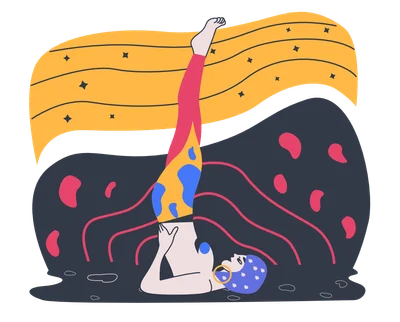
Salamba Sarvangasana
The chin presses into the chest and the whole body stacks above the shoulders. This is the pose the traditional thyroid claim is built around, and it is also, more reliably, one of the most settling poses in the practice.
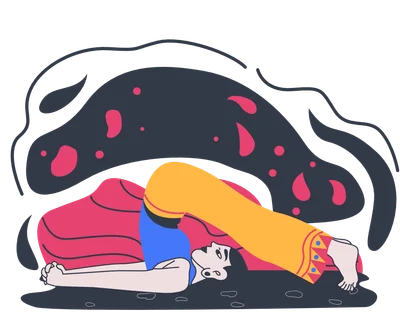
Halasana
The same throat compression as Shoulderstand with the legs taken overhead, which deepens the fold at the neck considerably. Worth approaching slowly, since the neck carries more load here than most people expect.
The Deepest Inversion
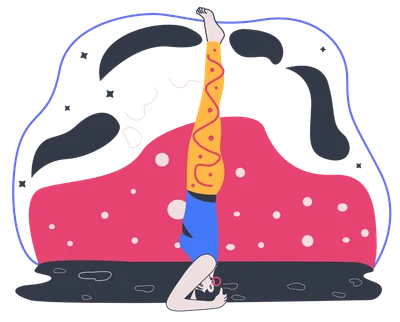
Sirsasana
Fully inverted with the weight through the forearms and crown. It does not compress the throat the way Shoulderstand does, so its place here is about the broader circulatory shift rather than the thyroid claim specifically.
A Short Inversion Practice
Four poses, in the traditional order: the deepest inversion first, then Shoulderstand as its natural counter, then Plow to extend it. This is a short practice by design and pairs well with a longer sequence rather than standing alone.
- 1Three-Legged Downward Dog5 breaths each side
Arrive. Shoulders warming, head already below the heart, nothing demanding yet.
- 2Headstand1 to 3 minutes, optional
Peak. Skip this entirely if Headstand is not already solid for you. The rest of the sequence works without it.
- 3Supported Shoulderstand2 minutes
The traditional counter to Headstand, and the pose the whole throat claim rests on.
Finish lying flat for a few minutes afterward, longer than feels necessary. Inversions shift blood pressure and circulation noticeably, and the settling afterward is part of the practice rather than an optional extra. If any of these poses feel wrong in the neck, come out. This particular group has less margin for pushing through than most.
Teaching a Hormonal & Glandular Balance Class
Be direct with students about what this group of poses does and does not do. Overstating the thyroid effect is common and it costs credibility with anyone who checks. Neck safety matters more here than in almost any other group: folded blankets under the shoulders for Shoulderstand and Plow are not a beginner modification, they are standard practice. Anyone with a neck injury, high blood pressure, glaucoma or who is menstruating or pregnant should be given a genuine alternative rather than a quiet suggestion to skip it.
Open the Sequence Builder →Build Your Hormonal & Glandular Balance Practice
Get my practiceFrequently Asked Questions
Do inversions really balance your hormones?
Traditional yoga connects the throat compression in Shoulderstand and Plow Pose to the thyroid, and inversions do measurably change circulation and pressure. Whether that translates into meaningful hormonal regulation is not well established. The calming effect on the nervous system is the better-supported benefit.
Why are there only four poses on this page?
Because only four poses in the library share this specific quality honestly. Padding the list with poses that vaguely relate would make the page longer without making it more useful.
Is Shoulderstand safe for the neck?
It carries real load through the cervical spine, which is why folded blankets under the shoulders are standard rather than optional. Anyone with a history of neck problems should skip it rather than modify it.
Are these poses suitable for beginners?
Three-Legged Downward Dog is. Shoulderstand is reachable with proper setup and supervision. Headstand and Plow Pose are worth building toward slowly. If you have a thyroid condition, high blood pressure or glaucoma, speak to a doctor before practising inversions. This is general information, not medical advice. See the medical disclaimer.
Related Practices