Inner Calm
The Noise That Doesn't Come From Outside
Sometimes the room is quiet and your head still isn't. No task in front of you, nothing urgent happening, and still a kind of low static running underneath everything. That's not really about circumstances. It's the nervous system stuck slightly switched on, even when there's nothing left to respond to.
Most of the poses here work by convincing the body it's safe to stop, mostly through the floor, weight fully supported, legs elevated, spine long and unguarded. The body tends to believe that message faster than the mind does, which is why lying still in the right shape can settle something that thinking your way through never quite reaches.
In the old system this points toward Ajna, the third eye, the seat of inner vision rather than outer perception. You don't need to picture anything happening there. Lie with your legs up a wall for ten minutes and see what settles anyway.
Maybe it's lying in bed with a mind that won't stop cycling, or a quiet afternoon that somehow still feels wound up. Maybe it's the low hum of being slightly on edge without an obvious reason. This isn't something you can think your way out of, mostly because thinking is what's keeping it going. It responds better to the body being told, physically, that it's allowed to stop.
Lying Down — Where Calm Actually Happens
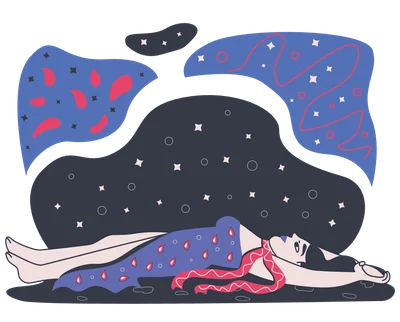
Bananasana
Lying flat with the whole body curved gently to one side, like a banana. It's an unusual shape, and an oddly calming one, a long stretch through one side with nothing to hold up or balance.
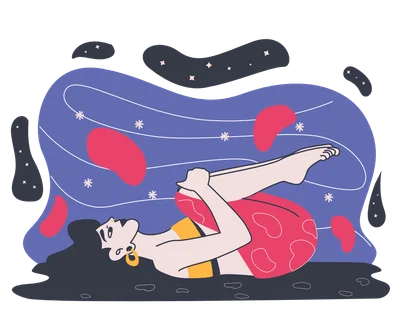
Apanasana
Knees pulled in and held there, often one of the first poses taught for exactly this reason. There's something immediately settling about making yourself smaller and held, rather than open and exposed.
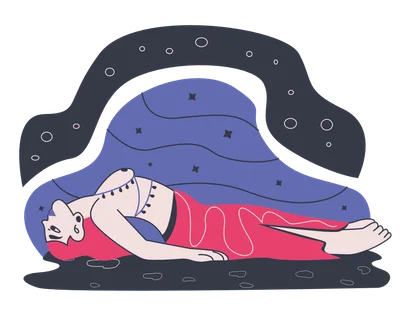
Matsyasana
The chest lifts and the head tips back, opening the throat. It's a strange one to include here, since it looks active, but the stillness afterward tends to be deeper for having opened something first.
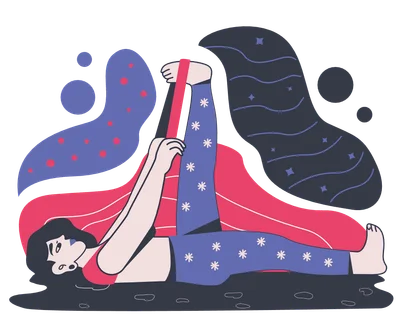
Supta Hasta Padangusthasana
Lying down removes the balance challenge entirely, so a hamstring stretch that would otherwise ask for concentration becomes something closer to just resting with a stretch happening.
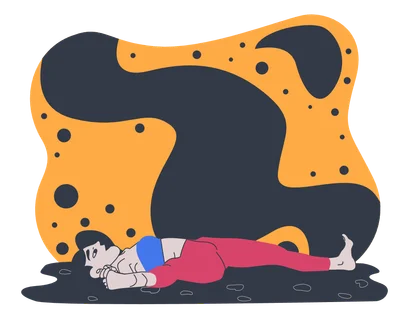
Supta Hasta Padangusthasana B
The same starting shape, leg opening out to the side instead. It reaches a slightly different part of the hip, and it's just as passive, gravity doing the work instead of effort.
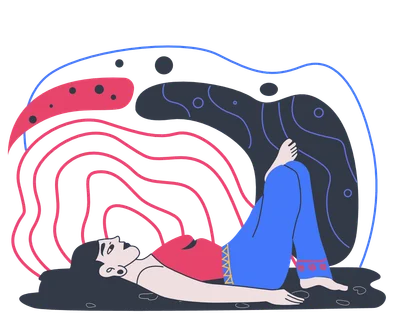
Supta Kaptasana
A hip stretch done lying down rather than seated, which changes the whole feel of it. There's nothing to hold yourself up with here, just the stretch and the floor underneath you.
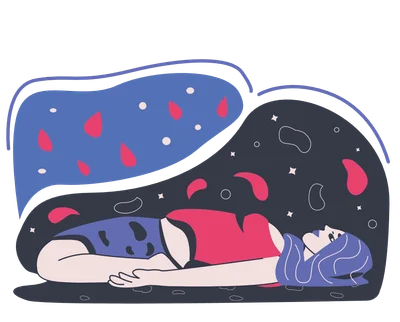
Supta Virasana
Sitting between the heels and lying back, usually with support underneath. It asks a lot of the front hips and thighs, and most people need blocks here for a long time, which is fine, the support is part of what makes it calming rather than demanding.
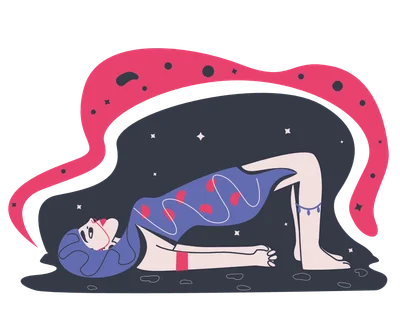
Setu Bandha Sarvangasana
The hips lift while the shoulders and feet stay grounded, a gentle backbend that's supported rather than effortful once you settle into it. It opens the chest without asking much of the breath to get there.
Inversions — Turning the Volume Down
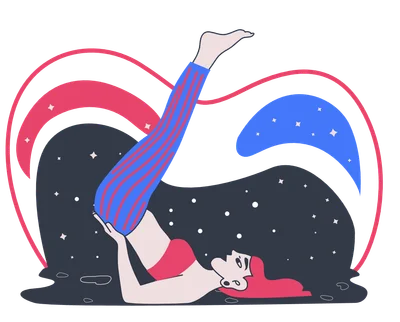
Viparita Karani
Legs resting up a wall, the whole lower body finally allowed to stop working against gravity. This is usually the pose people mean when they talk about a practice that actually calms them down.
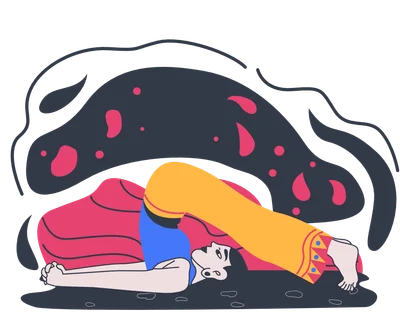
Halasana
The legs fold overhead, folding the whole body in on itself. It's more demanding than Legs Up the Wall, but it shares the same basic logic, changing the body's relationship to gravity tends to change what the mind is doing too.
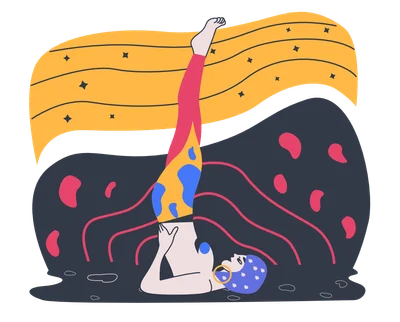
Salamba Sarvangasana
An inversion held with the hands supporting the lower back, sometimes called the queen of the poses for the calming effect it's said to have. Whatever the traditional claims, being upside down and completely supported is a genuinely unusual, and often quieting, thing to feel.
Kneeling — A Quiet Place to Land
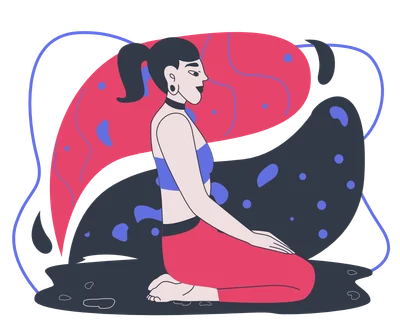
Vajrasana
A kneeling seat with a naturally long spine, traditionally used before meditation. It asks very little of the body, which makes it an honest place to notice whether the mind has actually slowed down.
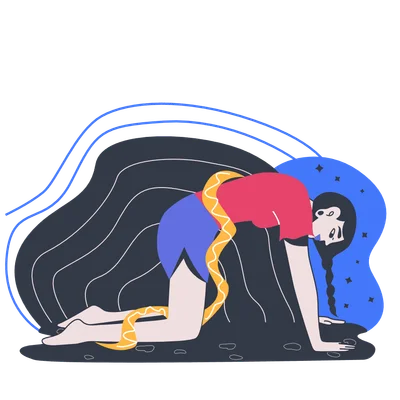
Marjaryasana
Hands and knees, spine rounding and arching slowly. The movement itself is calming in a way stillness sometimes isn't, giving a restless body something small and repetitive to do.
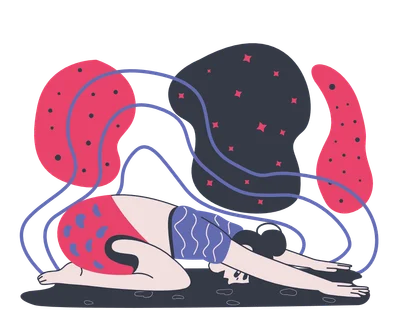
Balasana
Hips sinking back toward the heels, forehead resting down. It's one of the most universally used resting poses in yoga, and there's a reason it shows up so often, it works.
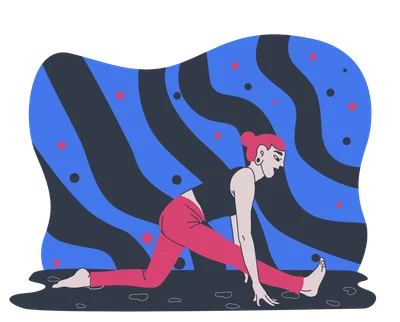
Ardha Hanumanasana
A hamstring stretch that asks you to fold forward and stay, rather than push. Slow, patient stretching tends to have a settling effect that faster movement doesn't.
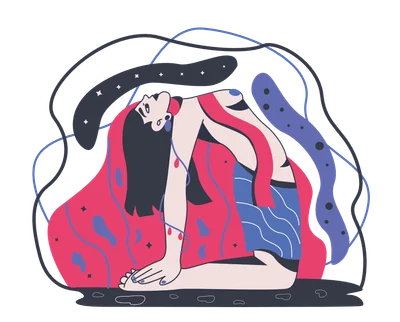
Ustrasana
A kneeling backbend, which seems like an odd fit for calm until you notice how much people's breath changes once the chest opens. It's more activating than the rest of this group, and a useful contrast before returning to stillness.
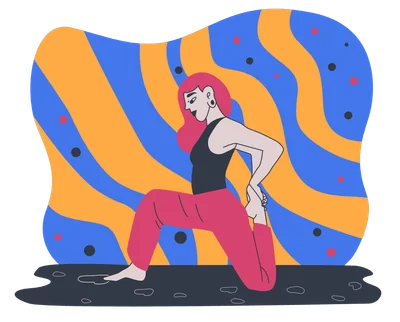
Eka Pada Rajakapotasana B
A deep backbend from a kneeling hip opener, reaching back to hold the foot. It's intense, and staying with that intensity slowly, rather than rushing through it, is its own kind of calming practice.
Seated Stillness
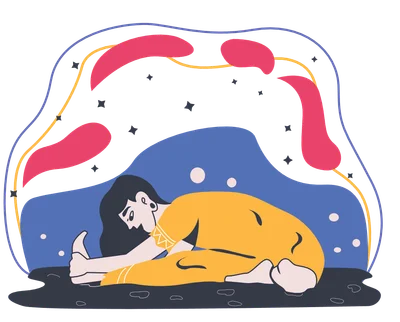
Janu Shirsana
One leg folds in, the other extends, the torso folding forward over it. Forward folds tend to turn attention inward simply by taking the horizon out of view.
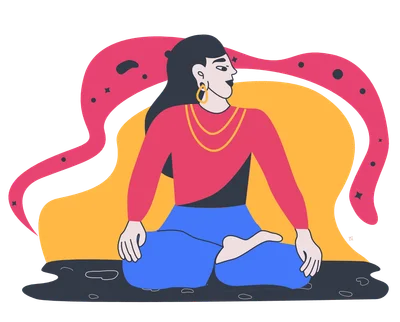
Padmasana
The classical meditation seat, built specifically to let the body settle enough that the mind has nothing physical left to negotiate. It takes patience to get into comfortably, and that patience is part of the practice.
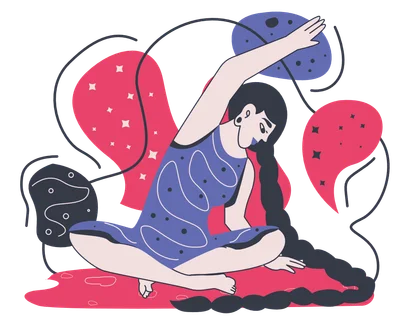
Parsva Sukhasana
A simple cross-legged seat with a gentle reach to the side. It's mild enough to do slowly, without much effort, which is most of what this whole page is asking for.
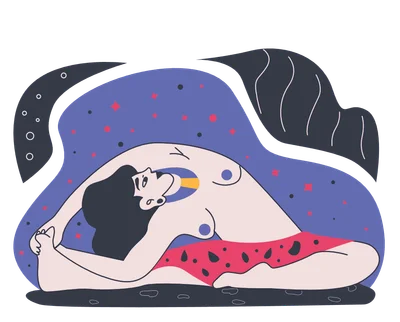
Parivrtta Janu Sirsasana
A side bend and a gentle twist together, over a bent and extended leg. It's slower and less demanding than it looks, most of the work is in staying patient with the shape.
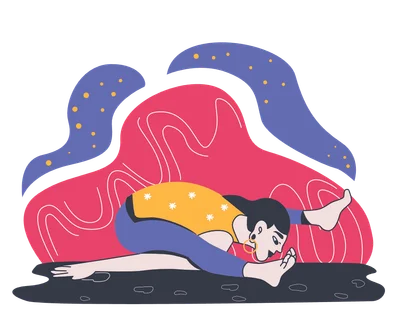
Kurmasana
A deep fold with the legs over the shoulders, about as inward and closed-in as a pose gets. Sometimes calm looks like retreating for a while, not opening up.
Standing — Quiet Even Upright
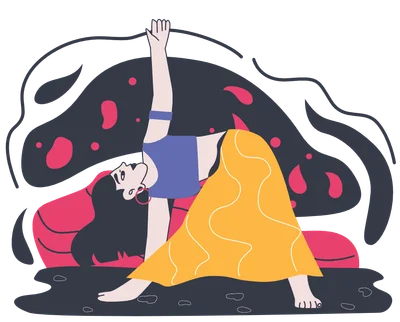
Trikonasana
A long, held stretch to the side. Even a standing pose can be calming if it's held steadily and without straining toward the deepest possible version of it.
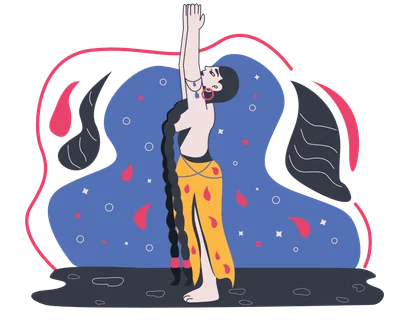
Urdhva Hastasana
Arms reaching overhead from a still base. It's a small, simple lengthening, and a good reminder that calm doesn't require lying down, just steadiness.
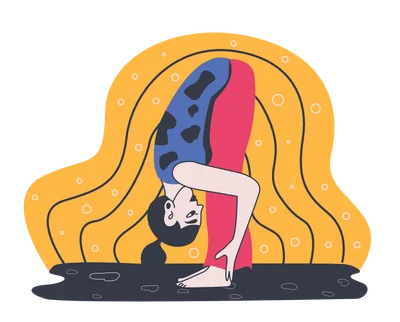
Uttanasana
A full fold that turns the gaze inward and takes the usual visual input away. Letting the head hang heavy here does more for the nervous system than the hamstring stretch usually gets credit for.
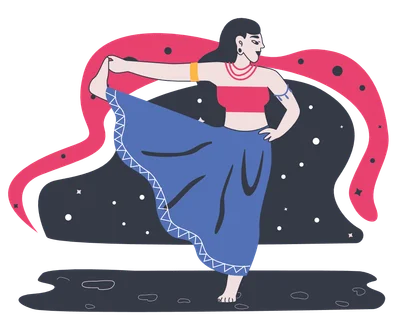
Utthita Hasta Padangusthasana B
A held leg out to the side, slow and steady rather than rushed. The challenge here is patience with the wobble, not fighting it.
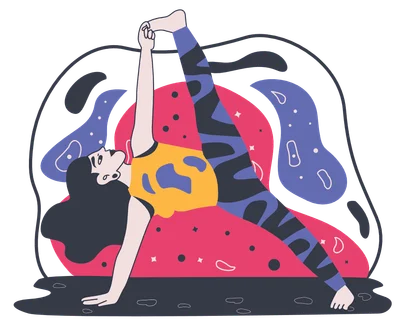
Eka Pada Vasisthasana
A demanding balance to include on a calm-themed page, and it's here because calm isn't always passive. Sometimes it's the steadiness you find inside something genuinely difficult.
A 20-Minute Inner-Calm Sequence
Same idea as always. Not five random poses, there's a build to it: arrive, move gently, meet a soft, fully supported peak, then spend the second half letting go a little more with each pose.
- 3Standing Forward Bend1 minute
Build. A fold that turns the gaze inward, away from the usual visual noise.
- 5Child's Pose2 minutes
Release. Hips back, forehead down, one of the most used resting poses for a reason.
- 6Legs Up the Wall5 minutes
Close. Legs up the wall, the body finally allowed to stop holding anything up.
Notice that the peak here isn't a hard pose, it's Bridge Pose, gently lifted and fully supported. Calm doesn't need an intense pose to build toward. It needs a rhythm that keeps letting go a little more with each step, which is what the rest of the sequence does after it.
Teaching a Inner Calm Class
Slow the pace down more than feels natural, especially between poses, the transitions matter as much as the holds on a calm-themed class. Keep verbal cueing minimal once a pose has settled, silence does more work here than instruction. Legs Up the Wall or Child's Pose are both safe places to send anyone who needs to opt out of something more demanding without disrupting the room. Building a full class around this theme: the Sequence Builder lets you start from any of these poses and adjust hold times, order and how much standing versus floor work you want.
Open the Sequence Builder →Build Your Inner Calm Practice
Get my practiceFrequently Asked Questions
What makes a yoga pose good for inner calm?
Mostly poses that are fully supported, lying down, resting on the floor or against a wall, so the body doesn't have to hold itself up. The nervous system tends to settle faster when there's nothing left to balance or maintain.
Why do inversions like Legs Up the Wall feel so calming?
There isn't full agreement on the mechanism, but changing the relationship between the legs and gravity seems to have a real, physical settling effect, separate from anything about breath or mindset.
How long should I hold a calming pose?
Longer than most other poses on this site, three to five minutes on Legs Up the Wall, a minute or more on Child's Pose. Calm poses need time to actually take effect, rushing them defeats the point.
Are these poses suitable for beginners?
Yes, almost all of them, this is one of the more accessible pages here. Child's Pose, Legs Up the Wall and Cat Pose are good starting points for anyone. This is general information, not medical advice. See the medical disclaimer.
Related Practices