Letting Go & Acceptance
The Habit of Holding On
There's a specific kind of tension that comes from gripping something long after it's stopped helping, a grudge, a plan that didn't work out, a version of yourself you haven't quite updated. The body does something similar without being asked, jaw clenched, shoulders up near the ears, hands closed into loose fists for no clear reason.
A lot of these poses put you in a position where holding on is exactly the wrong strategy, deep hip openers where tensing makes the stretch worse, twists that only work if you stop bracing, and eventually a pose that asks for nothing but lying still and letting the floor hold you. The body learns the difference between holding and releasing faster than the mind usually does.
Physically this leans on Apana Vayu, the downward, eliminating current, and there's no coincidence that the deepest hip openers here sit close to Muladhara, the root, where a lot of that gripping seems to live.
Maybe it's a decision you've made but can't stop replaying, or a person you've mostly moved on from except at three in the morning. Maybe it's more physical than that, a jaw or a fist you notice is clenched and can't remember tensing. These poses don't argue you out of holding on. They just make it physically harder to keep doing, one deep hold at a time.
Standing — Holding On Under Effort
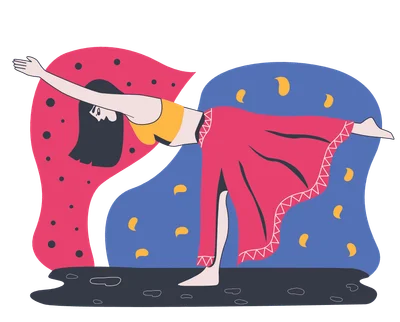
Virabhadrasana 3
The body balances parallel to the floor on one leg, which takes real trust to hold. Gripping and tensing everywhere makes it harder, not easier, an odd but useful lesson in when holding on backfires.
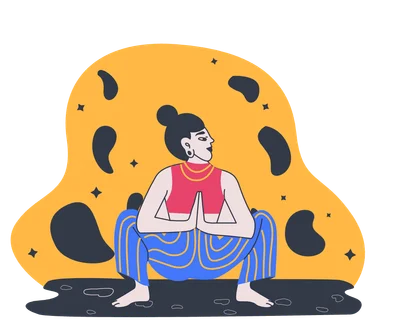
Malasana
A deep squat that most people instinctively brace against instead of sinking into. Letting the hips actually drop, rather than hovering just above the deepest point, is most of what this pose is asking.
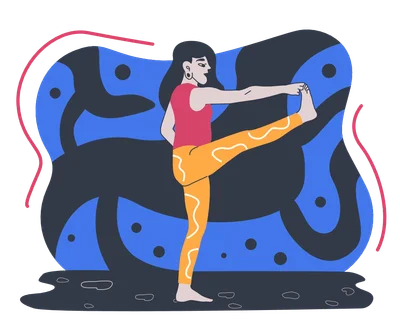
Eka Hasta Padangusthasana A
Gripping the foot harder than necessary is the most common way people make this pose worse. A looser, more confident hold usually works better than a tight, anxious one.
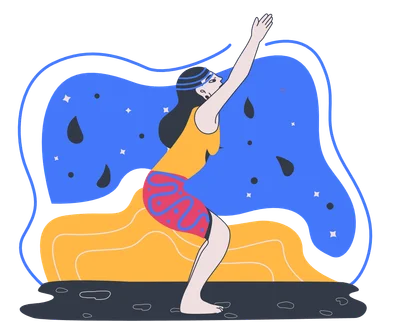
Utkatasana
A held squat that burns, and the instinct is to tense everything against the discomfort. Staying loose in the shoulders and jaw while the legs do the actual work takes real, deliberate practice.
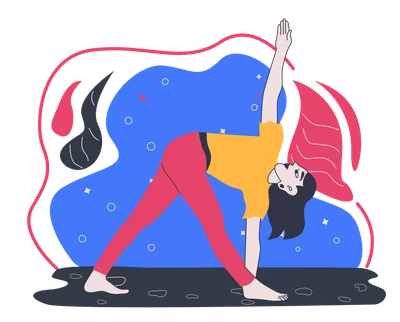
Parivrtta Parsvottanasana
A narrow-stance fold with a twist added, and forcing the rotation tends to close it off rather than open it. This one only really works once you stop trying to force it.
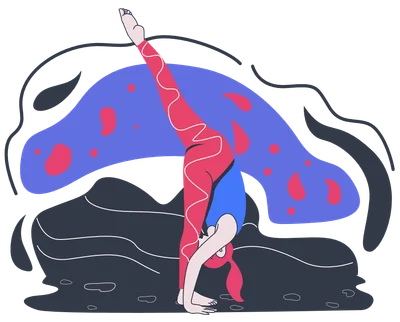
Urdhva Prasarita Eka Padasana
One leg lifts high behind you, and the instinct to grip the standing leg tightly usually makes the whole shape more rigid, not more stable.
Kneeling — The Deep, Slow Releases
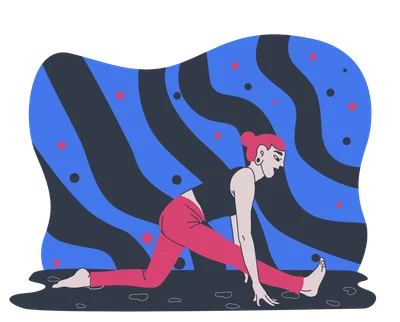
Ardha Hanumanasana
A hamstring stretch that only deepens once you stop resisting it. Tensing against the stretch is the single most common reason it doesn't progress.
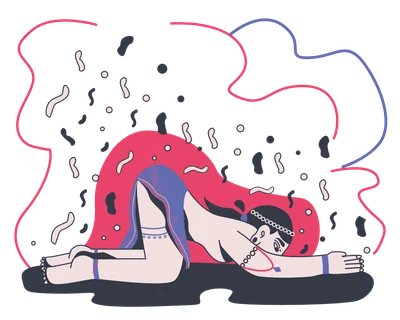
Anahatasana
Hips high, chest sinking toward the floor, a passive stretch that depends entirely on relaxing into it rather than actively working. The name isn't subtle about what it's asking.
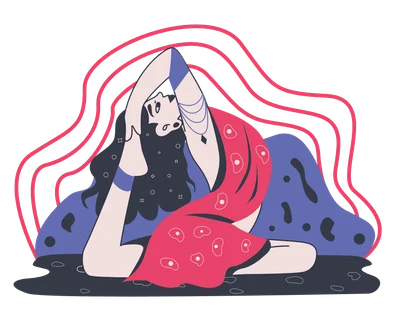
Eka Pada Rajakapotasana
One of the deepest hip openers here, and one where bracing against the intensity makes it worse. Breathing into the discomfort instead of fighting it is the actual skill.
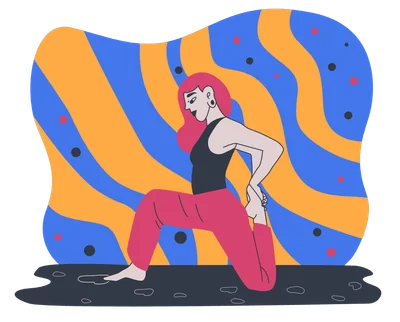
Eka Pada Rajakapotasana B
A backbend added to the same deep hip opener, which asks for release on two fronts at once, the hip and the willingness to arch back without protecting the chest.
Seated — Twists and Stretches That Ask You to Stop Controlling
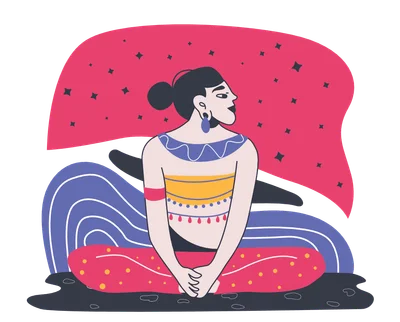
Baddha Konasana
Soles of the feet together, knees dropping open. The knees drop further once the thighs actually relax than they ever will from pushing down on them.
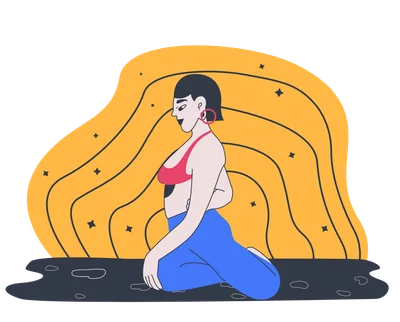
Bharadvajasana 1
A gentle seated twist that deepens on the exhale, not through effort. Trying to force more rotation usually just tightens the muscles that need to release.
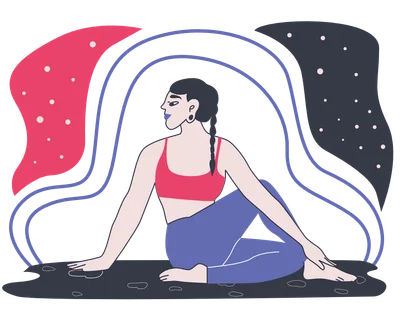
Ardha Matsyendrasana
A deeper seated twist, and one where gripping the leg for leverage tends to pull the shoulders out of position instead of helping the spine turn.
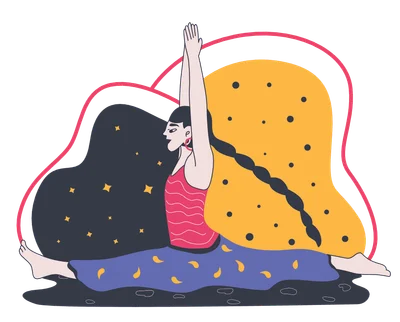
Hanumanasana
Both hips stretched to their limit, and the deepest range here comes on the days you stop trying to force it and let the front and back of the hips actually soften.
Inversions — Letting Go of the Usual Orientation
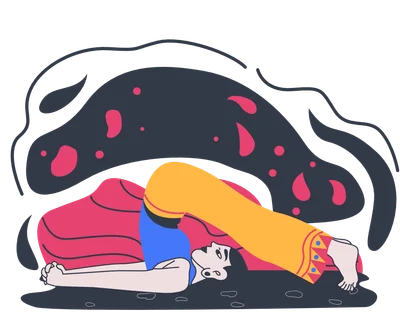
Halasana
Upside down with the legs folded overhead, an unusual and slightly vulnerable orientation. Trusting the shape instead of gripping with the neck and shoulders is most of what makes it work.
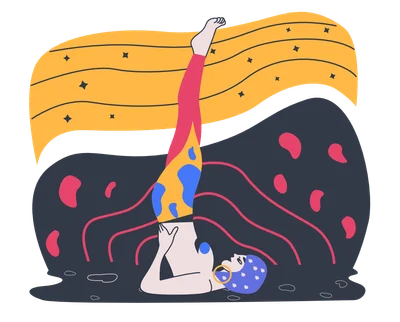
Salamba Sarvangasana
An inversion held with the hands supporting the back. There's a real moment of trust in letting the support actually hold you rather than trying to hold yourself up through effort.
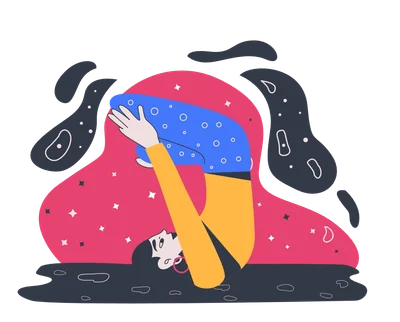
Urdhva Padmasana
Folded legs lifted upside down, usually from another inversion. It asks for the same release Lotus Pose does on the ground, just with the added complication of being upside down.
Lying Down — Where Letting Go Actually Happens
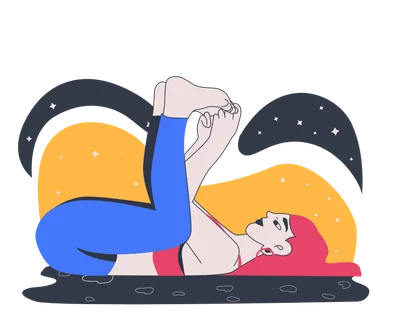
Ananda Balasana
Feet held overhead, knees dropping wide, and gravity does most of the actual releasing here. The job is mostly to stop interfering with it.
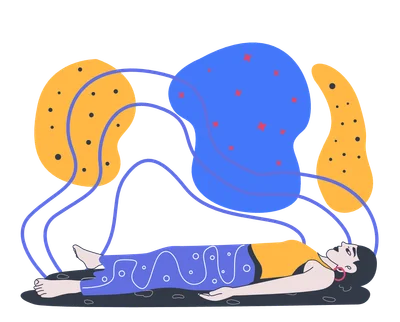
Savasana
Lying flat, doing nothing at all. It sounds like the easiest pose in yoga and is often the hardest, most people find genuine stillness more uncomfortable than any physical stretch on this page.
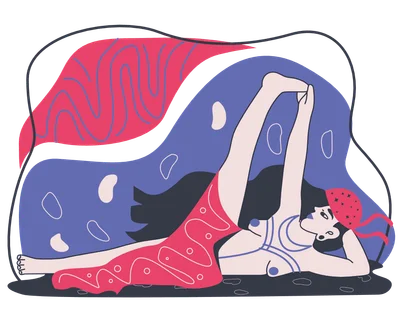
Anantasana
A side-lying balance, unusual enough that gripping too hard just makes it harder to find. It responds better to a light touch than a determined one.
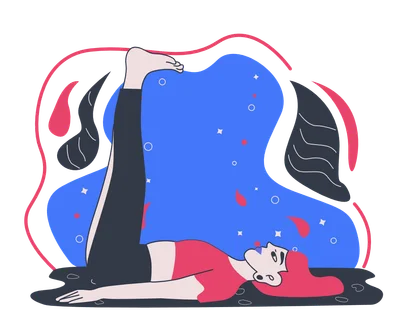
Urdhva Prasarita Padasana
Legs lifted and lowered slowly, and the temptation is always to rush the lowering part rather than release into it with control.
Arm Balances — A Different Kind of Grip to Release
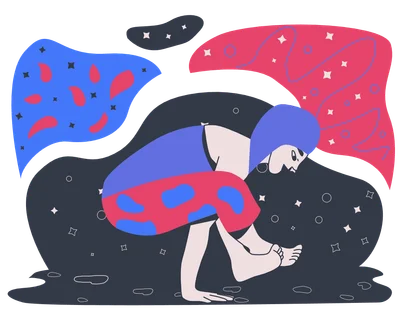
Bhujapidasana
The legs wrap around the arms and the body lifts, and oddly enough, gripping too hard with the arms tends to make the lift harder, not more secure.
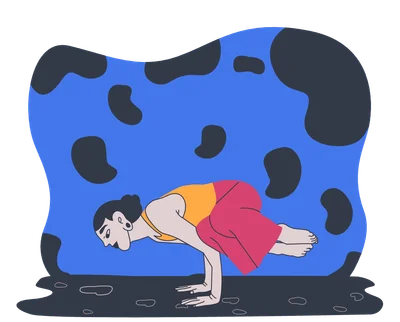
Parsva Bakasana
An arm balance rotated sideways, and forcing the twist tends to collapse the balance entirely. It works better through commitment than through gripping.
A 20-Minute Letting-Go Sequence
Same idea as always. Not five random poses, there's a build to it: arrive, work through poses that ask you to stop bracing, meet the deepest hold of the practice, then finish lying completely still.
- 4One-Legged King Pigeon8 breaths each side
Peak. The deepest hold of the practice, and the one most worth breathing into rather than fighting.
The practice ends where it was always heading, lying flat, doing nothing. Everything before it is really just practice for that, learning what it feels like to stop gripping in smaller ways before being asked to do it completely.
Teaching a Letting Go & Acceptance Class
Resist the urge to fill silence, especially near the end. A letting-go class works better with more space between cues, not more instruction. Savasana deserves real time, five minutes minimum, cutting it short undoes a lot of what the rest of the practice built. Building a full class around this theme: the Sequence Builder lets you start from any of these poses and adjust hold times, order and how much standing versus floor work you want.
Open the Sequence Builder →Build Your Letting Go & Acceptance Practice
Get my practiceFrequently Asked Questions
What makes a yoga pose good for letting go?
Poses where bracing or gripping actively makes things worse, deep hip openers, twists, and eventually full stillness. The body gets direct, immediate feedback about the difference between holding on and releasing.
Why is Savasana sometimes the hardest pose in a class?
Because there's nothing to do and nowhere to direct the effort, which some people find more uncomfortable than any physical stretch. That discomfort is usually exactly the thing worth sitting with.
How long should I hold a letting-go pose?
Longer than most other poses, one to three minutes on the deep hip openers, five minutes or more on Savasana. These need time to actually shift, not just a few breaths.
Are these poses suitable for beginners?
Yes, start with Butterfly Pose, Happy Baby and Corpse Pose. Deeper poses like King Pigeon or Splits are worth building toward slowly. This is general information, not medical advice. See the medical disclaimer.
Related Practices