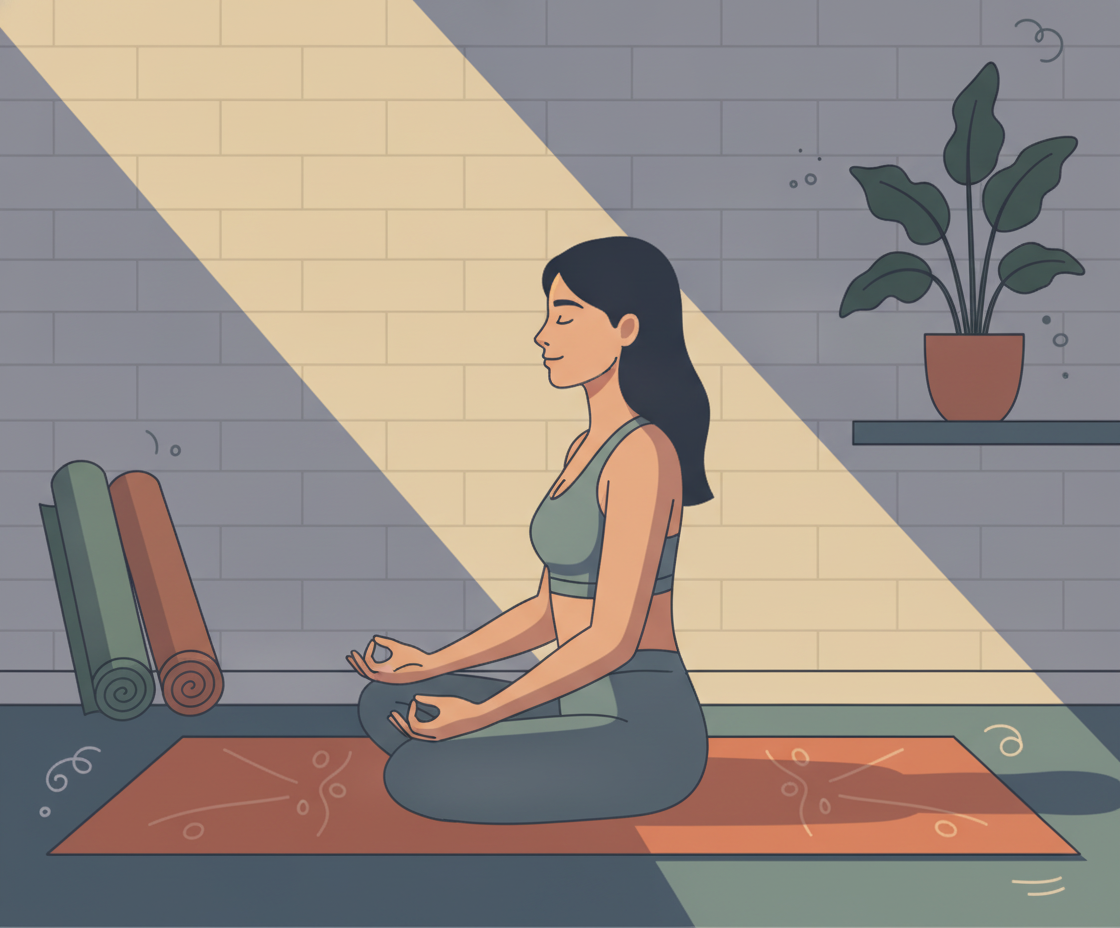
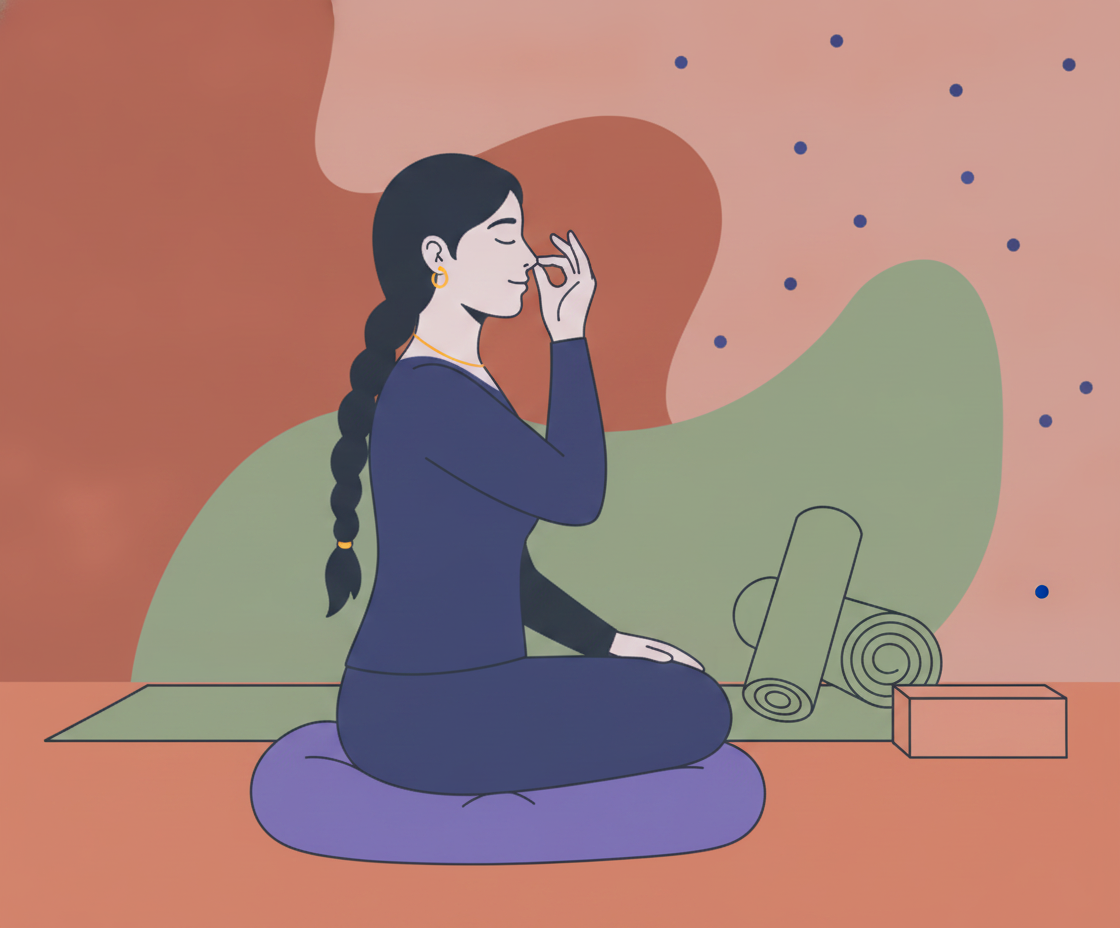
A racing heart in a traffic jam, a feeling of pressure in the chest before a meeting, a pulse of 90 even though you are just sitting at your desk. Your body knows no difference between real danger and a full inbox. This is exactly where the question comes in that reaches me most often in my teaching: can meditation lower heart rate and blood pressure? The short answer is yes, but the exciting answer lies in the why. This is not about vague feel-good or esoteric wishful thinking, but about what you feel very concretely in your body. When you meditate and breathe calmly and consciously for a few minutes, something measurable happens: your breath becomes longer and deeper, the pulse slows noticeably, the muscles in shoulders and jaw let go, the hands become warm because the vessels widen. The blood pressure falls. No coincidence, but a reaction that your body can do by nature when you let it. The actual question we should ask ourselves is therefore not whether, but how exactly a few conscious breaths can influence your pulse and your blood pressure so directly.
Can Meditation Lower Heart Rate and Blood Pressure? The Scientific Answer
The clear answer first: yes, meditation can lower heart rate and blood pressure, and this is not an esoteric claim but by now well documented. Physicians at the University of Würzburg proved in a study that meditation combined with breathing techniques can lower elevated blood pressure, often more effectively than thought. A meta-analysis on Transcendental Meditation that summarized nine individual studies found an average reduction of systolic blood pressure by 4 mmHg. That sounds like little at first but is, at the population level, an effect comparable with some medications. The MBSR program too, the mindfulness training for stress reduction that Jon Kabat-Zinn scientifically developed in 1979, showed in randomized controlled studies a clinically relevant reduction of both the systolic and the diastolic blood pressure. Important is the addition regularly. Meditation is not a miracle cure that works once, but a tool that must be trained like a muscle.
Meditation works directly on the cardiovascular system
Measurable Physiological Changes
Chronic stress keeps your body in an alarm state. Cortisol and adrenaline stay elevated, vessels narrow permanently, the heart pumps against increased resistance. This is exactly where meditation comes in: it interrupts this cycle by activating the parasympathetic nervous system, that is, the part that is responsible for rest and regeneration. In practice this means: slower pulse, wider vessels, lower systolic and diastolic values. A Cochrane analysis with the identifier CD013358 systematically examined whether meditation can contribute to the prevention of cardiovascular diseases and describes the mechanism of action via stress reduction and possible cardiovascular protective effects. This is not a pure relaxation fantasy but real psychosomatics; your state of mind writes itself directly into your vessel walls.
Time Frame and Dosage
For the meditation-health effect, no hours-long sessions are needed. 10 to 15 minutes daily are enough to noticeably lower the heart rate, provided you stick with it. A meta-analysis of 182 studies confirms this: relaxation methods such as breath control, meditation and meditative movements like yoga demonstrably work against high blood pressure, but only with continuous practice. I see it again and again with my students: the effect is cumulative. After two, three weeks of consistency in lowering blood pressure through meditation, many notice for the first time how their resting pulse is lower in the morning. Anyone who expects heart health from mindfulness immediately after three days will be disappointed. Those who stick with it feel a real change.
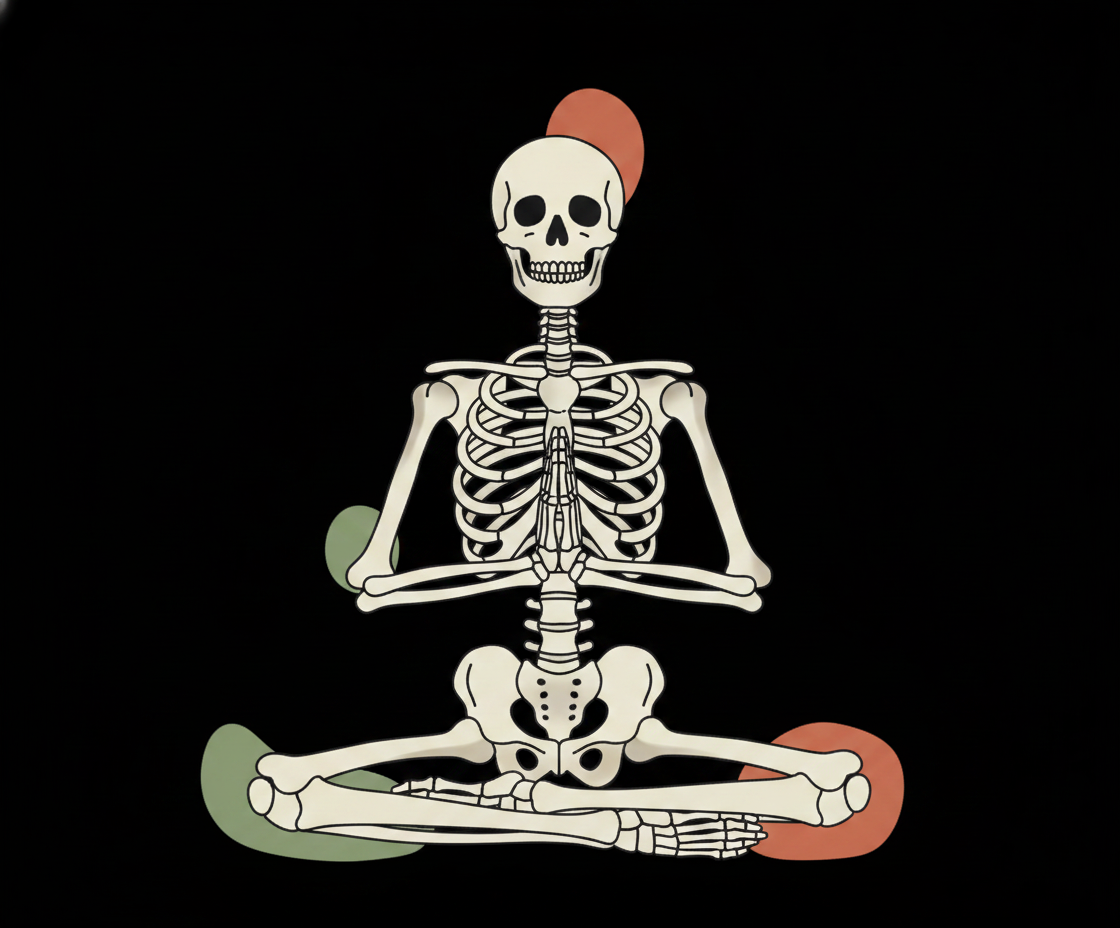
Imagine the vagus nerve as the brake of your heart, not the accelerator. It is the longest cranial nerve in the body, running from the brainstem down through the throat, the lungs, to the heart and further into the belly. It is the main line of the parasympathetic nervous system, that is, the part in you that is responsible for rest, digestion and regeneration. The opponent is the sympathetic nervous system, your stress system, which drives up heart rate and blood pressure when danger threatens or you feel under pressure.
A strong vagal tone means that this brake functions well. Your heart beats more slowly in rest phases, recovers faster after exertion, and your nervous system swings flexibly between activation and relaxation. A weak vagal tone often shows itself in a chronically elevated heart rate and a feeling of being constantly on standby, even when objectively nothing is happening.
Meditation Activates the Parasympathetic Arm
Here it gets exciting. A study published on PubMed shows how meditation works directly on the cardiovascular system by increasing the vagal activity. And the AOK confirms: meditation and yoga breathing strengthen the vagal function permanently, which leads to a lowering of blood pressure and an improved heart rate regulation. Not a one-time trick, but trainable physiology.
Physically, you often notice this as warmth in the chest and belly, as a noticeable lowering of the breathing frequency, sometimes as a slight tingling when the body tips from tension into softness. This is not passivity. It is active regulation; your nervous system readjusts itself, entirely without you having to intervene consciously.
The vagus nerve as the natural brake of the heart activates through meditation
Repeated practice changes the neural pathways permanently; this is lived neuroplasticity. The vagus is trained like a muscle, each session one small stimulus more toward the ability to regulate instead of constant stress.
Breathing Techniques and Yoga Asanas for Blood Pressure and Heart Rate
Now it gets practical. Because between the theory in the head and the effect in the body lies exactly one thing: the breath. It is the only bridge over which you can consciously access involuntary processes such as heartbeat and vessel tension. No wonder that breathing exercises can achieve so much with high blood pressure and elevated heart rate. If you combine them with the right asanas, you address the parasympathetic nervous system from two sides at once: via the lungs and via the posture itself.
Pranayama: Targeted Breathing Exercises
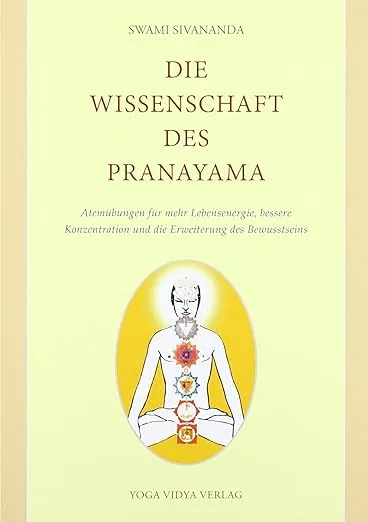
Pranayama, the yogic breath control, especially lengthens the exhalation. That is exactly the trick: a long exhalation activates the vagus nerve more strongly than the inhalation and thus slows the heart rate directly at the sinus node. A study published on PubMed shows how meditation and slowed breathing measurably influence the cardiovascular system; blood pressure and pulse fall within a few minutes of conscious practice. The AOK too confirms: meditation and yoga breathing strengthen the vagal function permanently, which leads to a lowering of blood pressure and an improved heart rate regulation. This is not a coincidental effect but trainable physiology.
Posture as a Door-Opener to Relaxation
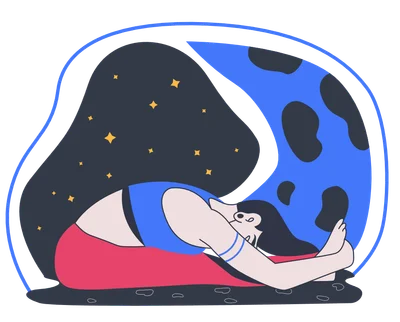
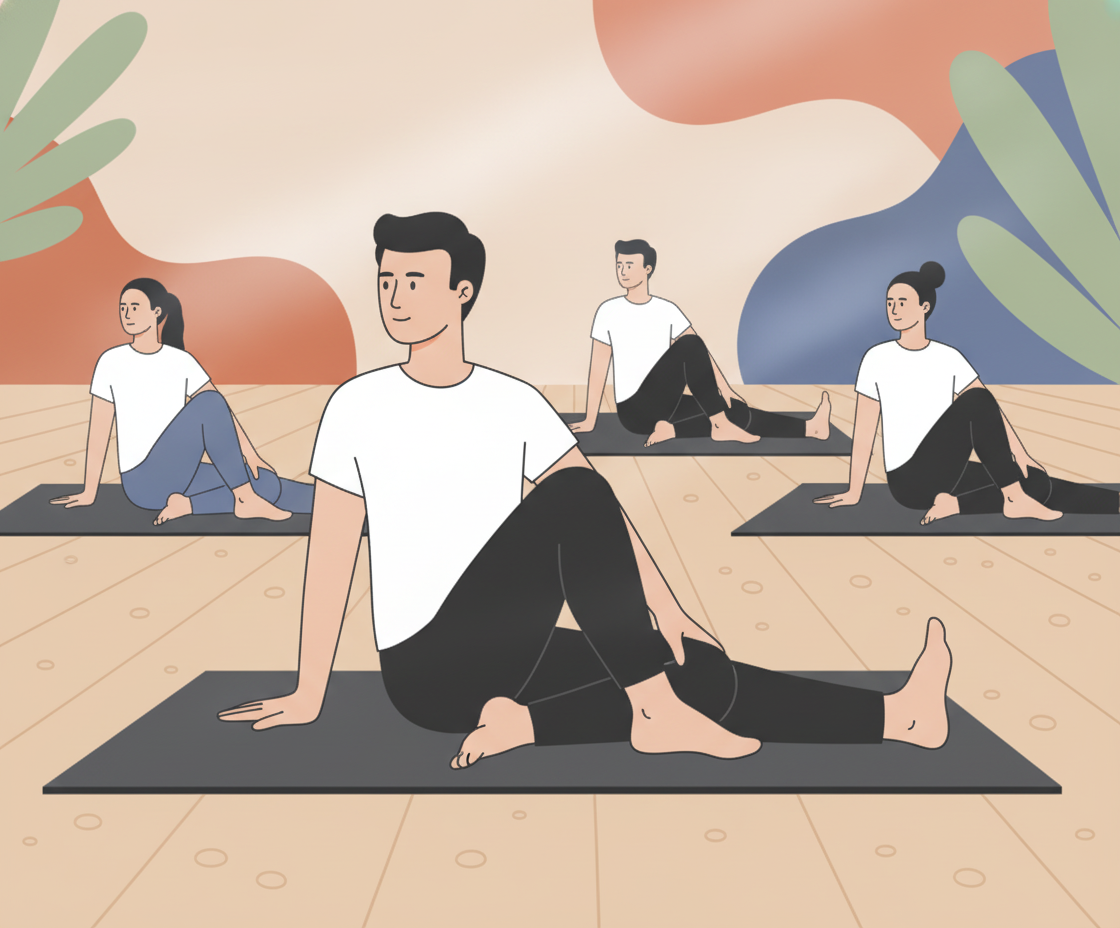
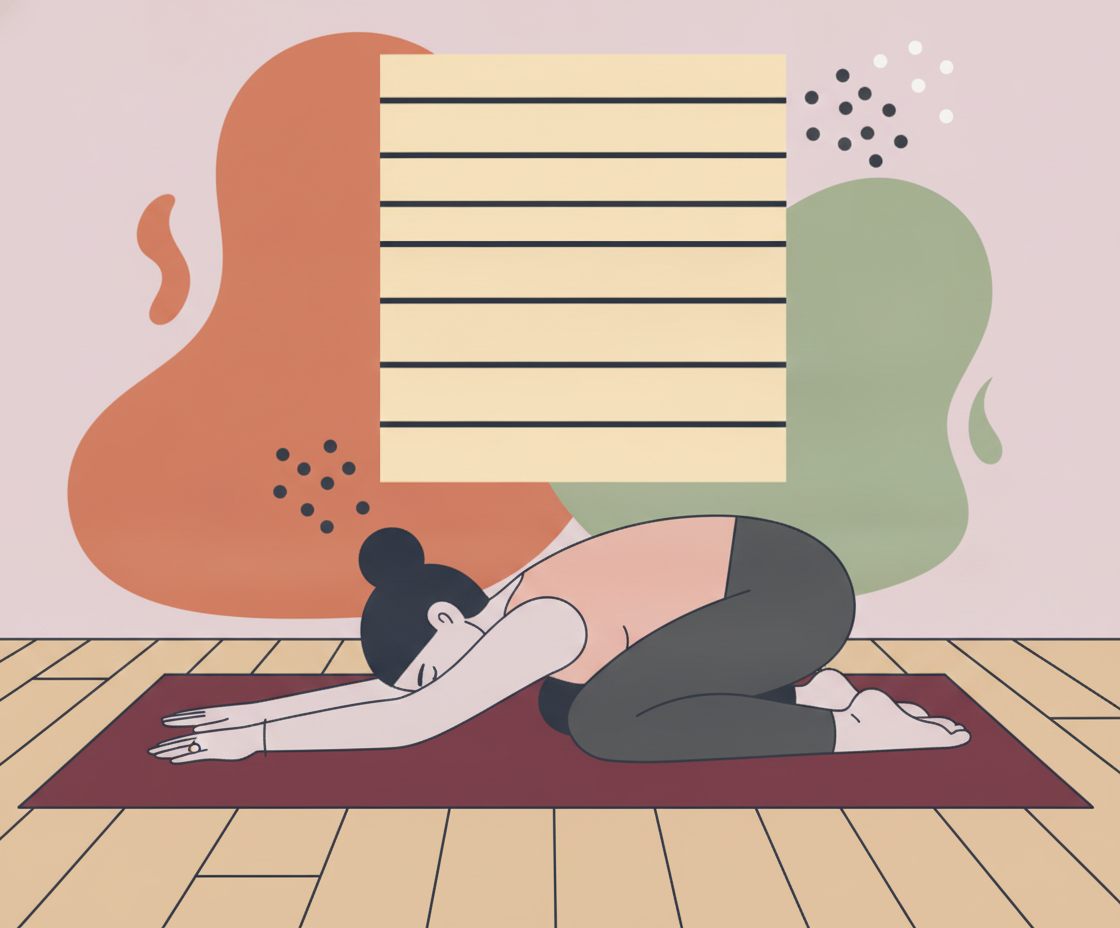
Here comes something that many underestimate: passive postures often work on the heart and circulation more strongly than active stretches. Why? Because the body does not have to hold any muscle tension, and therefore needs no sympathetic fire. Savasana (corpse pose) is the classic relaxation posture for this; it activates the parasympathetic nervous system and demonstrably lowers heart rate as well as blood pressure, simply because complete surrender to the floor becomes possible. Balasana (child's pose) calms the nervous system in a similar way, fosters deep belly breathing and has a relaxing effect on heart and circulation, often noticeable after just a few breaths. And Paschimottanasana (seated forward bend) is a passive forward bend that, through the gentle pressure on the abdominal cavity, stimulates the vagus nerve and triggers a natural relaxation response. The body teaches the mind very concretely here what letting go feels like, a psychosomatic feedback that no thought can create alone. How you build up and hold these three postures concretely, I will show you step by step in a moment.
Psychological Dimension: Breaking Down Stress, Lowering Blood Pressure
Your heart does not react to reality. It reacts to your evaluation of reality. This is exactly where meditation comes in: it is not the situation that changes, but your inner reaction to it. This insight is not an esoteric claim but the core of what makes mindfulness so effective as cognitive reframing. The body hardly distinguishes between real danger and a mental carousel of thoughts about the next deadline. In both cases it releases cortisol, the stress hormone that drives up heart rate and blood pressure.
Chronic Stress as a Blood Pressure Driver
Acute stress is useful; it saves you from the tiger. It becomes problematic when cortisol permanently circulates in the blood because your nervous system never gets the signal for the end of the danger. Vessels narrow, the heart pumps faster, the blood pressure stays elevated. A study published on PubMed shows: regular meditation demonstrably lowers blood pressure and heart rate; even ten to fifteen minutes daily show measurable effects. Lowering blood pressure through meditation therefore works not via miracles but via the interruption of this permanent loop.
Mindfulness as a Stress Interrupter
The trick lies not in fighting the thoughts but in observing. Anyone who tries to push a thought away usually only reinforces it, which you may know from sleepless nights. Mindfulness teaches a different movement: letting the thought come and go without feeding it. That is the difference between mere relaxation, the absence of tension, and true stillness of mind as an active, alert state. This psychology of letting go you feel immediately in the body: the breath becomes longer, the heart rate falls noticeably, often within a few minutes. Meditation, heart rate and nervous system are in constant dialogue; every inner calming writes itself immediately into the physiology.
Sustainability and Integration Into Everyday Life
Small, Regular Practice Beats Intense Single Sessions
Realistically, ten to fifteen minutes a day are enough to move something in the long term. I have experienced students who meditate once a week for an hour and hardly feel any change, while others sit for only a quarter of an hour daily and after a few weeks sleep more calmly, react more relaxed, keep their blood pressure more stable. The body learns through repetition, not through intensity. Anyone who wants to lower blood pressure through meditation should therefore not hope for the big session on the weekend but bet on the small, almost inconspicuous daily habit.
A regular daily practice integrates meditation naturally into everyday life
Meditation as a Lifestyle, Not as a Therapeutic Measure
Here it gets philosophically interesting. Meditation is not an external treatment that you prescribe yourself like a pill. It is a return to something that your body has long been able to do: regulate itself. Your nervous system never lost this ability; it was only overlaid by constant stress and sensory overload. Meditation clears the noise aside so that the natural ability to regulate comes back to the surface.
It is precisely this return, the letting go of tension in favor of true inner calm, that the mantra Om Namah Shivaya stands for: devotion instead of control, stillness instead of resistance, transformation instead of standstill. As a daily reminder of this, there is our Shiva shirt, so that you carry this attitude of calm visibly with you even off the mat.
And then something psychological happens that I observe again and again: as soon as someone sees their own measured values improve, a feeling of self-efficacy grows that goes far beyond the numbers. One notices, I can influence my state, I am not helplessly at the mercy of stress. Over months, the body changes noticeably: the baseline tension sinks, the recovery after exertion goes faster. Combined with blood-pressure-regulating yoga exercises and conscious mindfulness for heart health, meditation thus becomes the cultivation of inner stability, not the fighting of symptoms.
Conclusion: Meditation as a Proven Instrument for Heart Health
The question from the headline can therefore be clearly answered: yes, meditation can lower blood pressure, and indeed not by coincidence or placebo, but via a comprehensible mechanism. The vagus nerve is activated, the nervous system switches from fight-or-flight mode into rest mode, and exactly that is reflected in measurable values. The meditation heart rate lowers itself because the body follows the mind, not the other way around. This is not a question of belief. This is physiology.
Next Step for the Reader
I'll tell you honestly: you don't have to believe all this from me. Try it out. Take ten minutes today, lie down in Savasana, go into Balasana or fold yourself into Paschimottanasana, whatever feels right at the moment. Measure your pulse before and after, if you like also the blood pressure. Do this for two weeks, every day, at the same time. You will recognize a pattern that no article can show you more convincingly than your own numbers on the paper.
What I want to pass on to you from years of my own practice and from hundreds of student hours: it is not about forcing yourself into calm. Willpower only presses more tension into a system that is already overloaded. It is about giving space to the calm that is already laid out in you anyway. And this calm is not a soft, esoteric feeling. It has a pulse, a blood pressure value, an effect on your heart that, calculated over years, can make the difference between a circulation that fights and one that carries.