You know this: the hand reaches for the phone before the head has even asked. Willpower alone rarely suffices to break through such automatisms, because your brain loves the energy-saving mode. Habits are exactly that: worn neural trails that are supposed to take the thinking off your hands. This is exactly where the question comes in of how meditation helps overcome bad habits, and the answer surprises many of my students. It is not about fighting against your own behavior but about looking. Meditation brings you into a quiet observer position from which you really see the automatism for the first time before it steers you again. It is precisely in this brief moment of pausing that an in-between space arises. Instead of reacting immediately, you notice the impulse, perhaps feel the restlessness in the fingers or the tightness in the chest, and only afterward do you decide what you really want to do. This second of awareness is the lever. What happens in the brain in the process, why pure resistance mostly fails and how you bring this space of perception into your everyday life, we will now look at together.
How Meditation Helps Overcome Bad Habits: The Principle of Non-Judgmental Observation
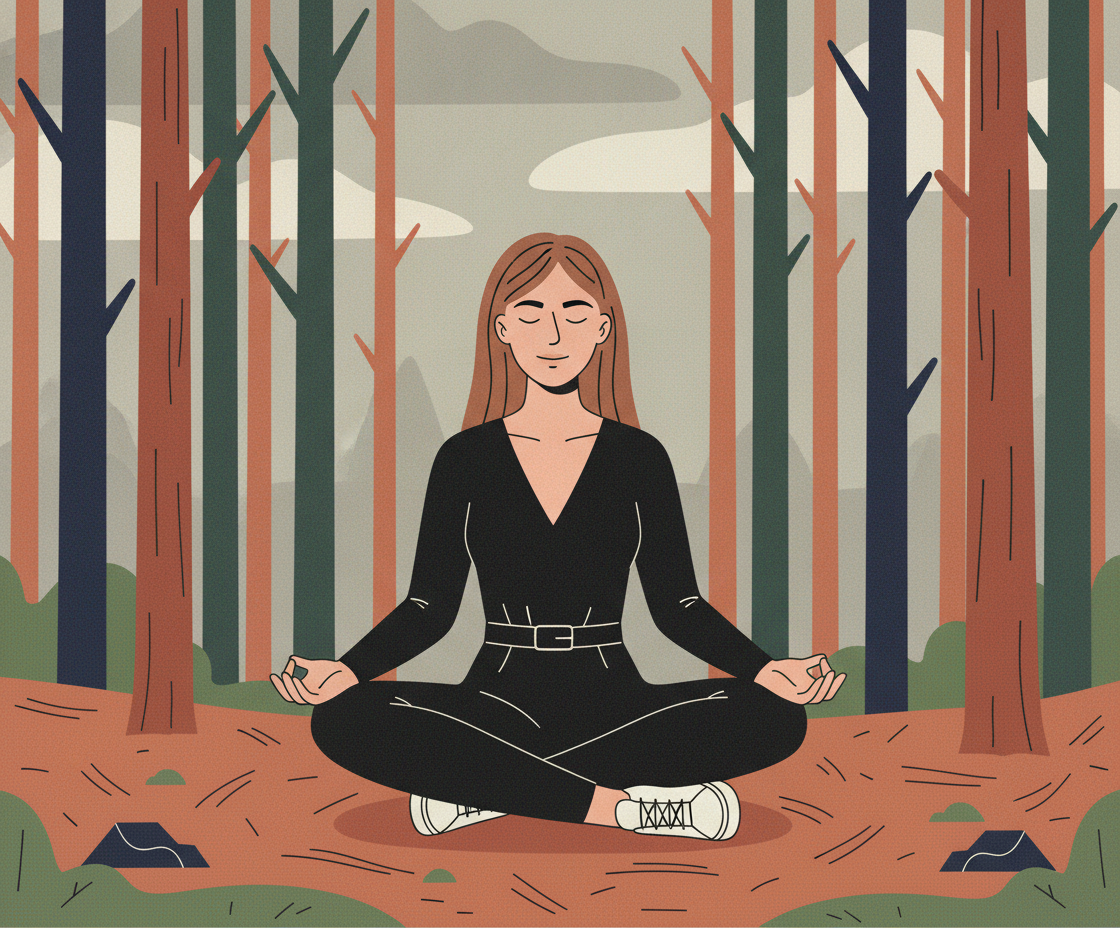
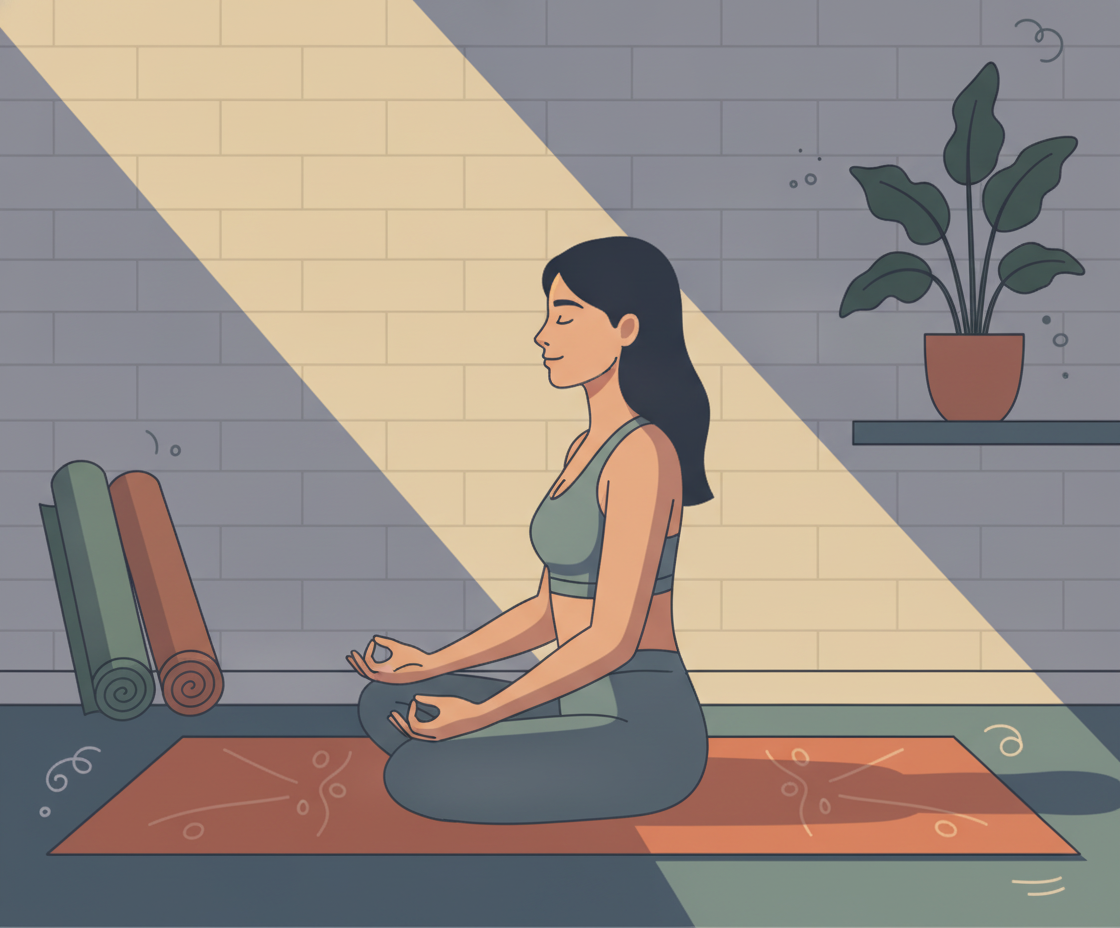
Mindfulness creates the inner space between impulse and reaction
Your brain is basically an energy-saving fox. Every habit, whether smoking, nail-biting or the automatic reaching for the phone, is a well-rehearsed reaction pattern that takes the mental work off your hands. Trigger in, reaction out, done. In psychology this is called the stimulus-response model. Between stimulus and behavior there is normally hardly any space, because the brain has rationalized away exactly this space to save energy.
This is exactly where meditation comes in, but not with a raised index finger. Anyone who tries to forbid a bad habit purely through willpower fights against a neural pattern trained over years, and that usually backfires. I have seen this in myself and in countless students: prohibitions generate resistance, resistance generates tension, and tension seeks out exactly the old outlet that it knows.
This insight is not new. Jon Kabat-Zinn made it the basis of his MBSR program in the late 1970s, the Mindfulness-Based Stress Reduction. An eight-week, scientifically evaluated training that was originally developed for chronic pain patients and today is considered worldwide a standard method for stress reduction and impulse control. Kabat-Zinn's central idea was as simple as it gets: not fighting against the pain or the habit, but meeting it with open attention.
Mindfulness works differently than willpower. It creates exactly that inner in-between space between trigger and reaction in which real freedom of choice arises. Instead of fighting the habit, you observe it. Non-judgmentally, without self-condemnation, simply as a pattern that is currently appearing. This non-evaluative observation is the core of every meditation for behavioral change. How effective this mechanism is concretely is shown by a Cochrane Systematic Review on mindfulness-based treatments for smoking cessation: the analysis evaluates several studies and concludes that mindfulness training can measurably help smokers interrupt the automatism between craving and reaching for the cigarette. The research of the Kliniken Essen-Mitte also examines mindfulness practice as a complementary method for smoking cessation within the framework of naturopathy, with the same basic principle: perceiving the impulse before it automatically turns into action.
If you feel the impulse before you react automatically, you have already won. In this tiny moment of awareness lies your freedom to act differently. The Ginko Foundation Mindfulness documents exactly this effect in its review of scientific findings: mindfulness demonstrably trains impulse control and the ability for emotion regulation, two key competencies in addiction prevention. And you don't have to practice for years for this. More recent research on a one-week meditation practice shows that even seven days of daily meditation can bring about measurable changes in the brain, in the immune system and in pain regulation. Thus meditation against addiction becomes not a fight but a getting-to-know. You recognize the energy-saving pattern, understand its logic and can transform it step by step instead of suppressing it.
The Neuroscientific Basis: How Meditation Restructures Your Brain
What happens in the stillness on the cushion is not spiritual wishful thinking. Sara Lazar, neuroscientist at Harvard Medical School, examined exactly this with her team and published a much-cited study in the journal Psychiatry Research in 2011: after eight weeks of a structured mindfulness program, the participants showed an increased density of gray matter in the hippocampus, that area responsible for learning and emotional regulation. At the same time, the gray matter in the amygdala decreased, the alarm center for stress and impulse. This is not a metaphorical transformation but a change of the brain structure measured with magnetic resonance imaging.
For everyone who wants to change their habits with meditation, this is a statement with substance. Old habits are neural trails, walked a thousand times, energetically favorable, almost automatic. The prefrontal cortex, your area for conscious decisions, is strengthened through regular practice, while the amygdala reacts more calmly, as Lazar's data suggest. It is exactly this balance of power that decides whether you react or choose.
Yoga philosophy knew this principle long ago, only in a different language. The scriptures speak of Samskaras, the deeply imprinted impressions in consciousness that steer our behavior like grooves in a record. New Samskaras arise through repeated, conscious practice. That is exactly what modern brain research describes with Hebb's rule: what fires together, wires together. Two different languages, one and the same observation.
I see this again and again with my students. The first weeks feel tough, the old path still pulls. But with sustained mindfulness toward bad habits, the observation becomes easier, the autopilot weaker. That is lived behavioral change through meditation, not coincidence but biology plus practice. Your awareness of habits does not grow overnight, but it grows reliably, week by week, breath by breath.
Meditation and Body Experience: Asanas as Catalysts for Inner Liberation
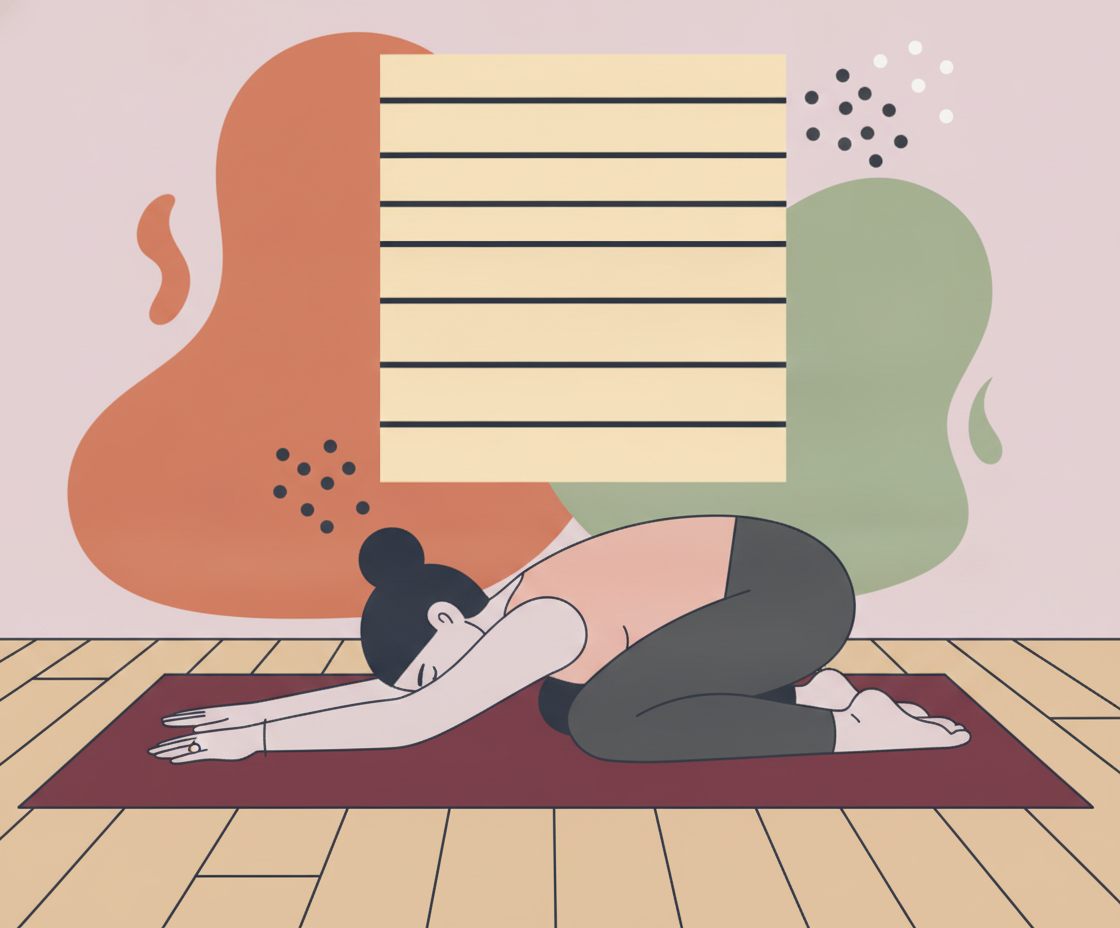
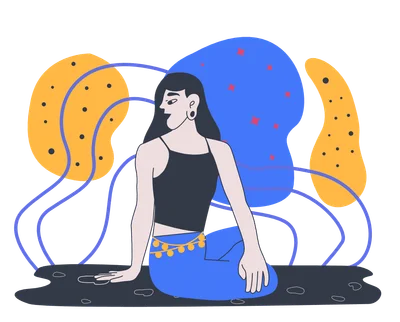
Child's pose helps observe inner calm and thought patterns
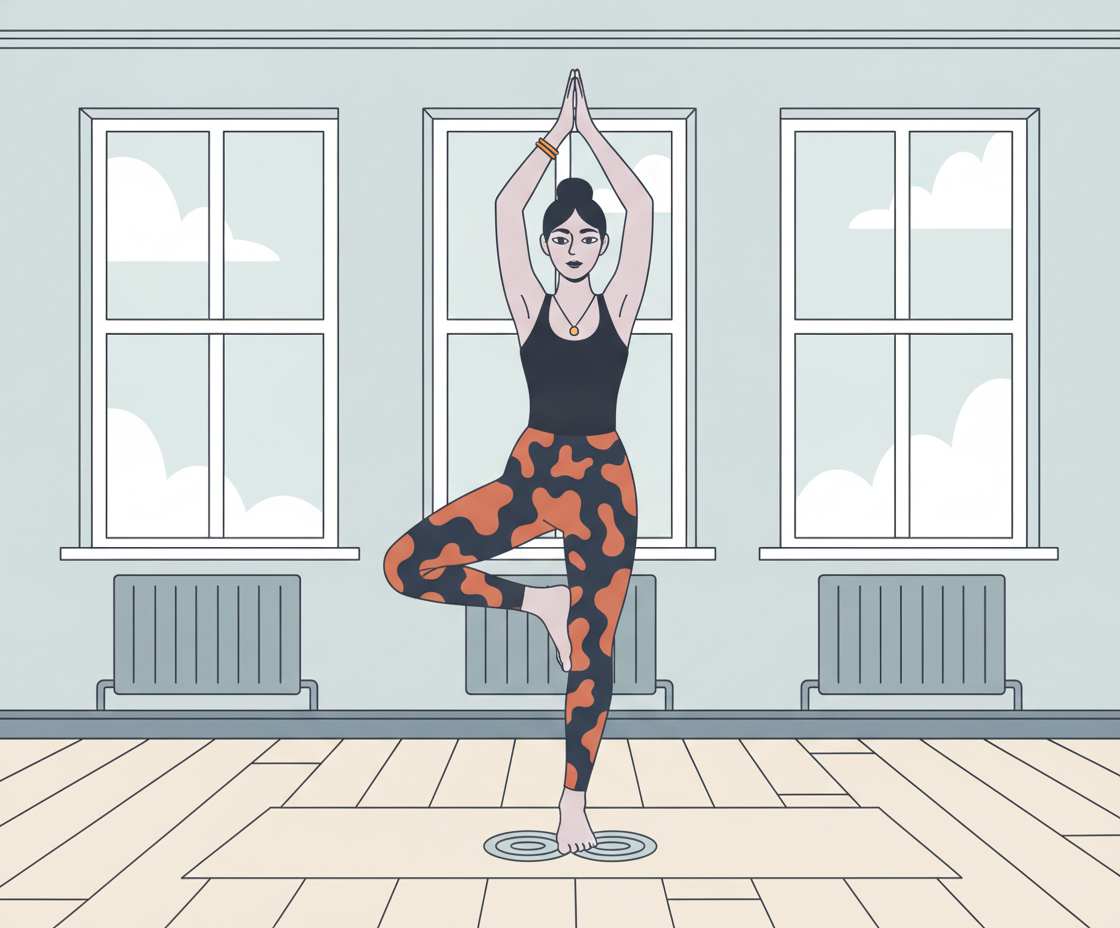
Sitting on the cushion is one thing. But your nervous system does not stop at meditation, it lives in the whole body. That is why I almost always work physically with students who want to get rid of old habits. Asanas here are not a gymnastics exercise but access points to exactly the areas in which patterns have settled. Three postures have proven especially effective for me over the years when it comes to changing habits through meditation.
Child's Pose: Observing Inner Calm and Thought Patterns
Balasana, child's pose, is perhaps the safest posture in all of yoga. Forehead on the floor, knees open or closed, arms loosely next to the body. This position switches off the defense mode. That is exactly what you need to observe difficult thought patterns without panic. Many of my students notice here for the first time how an addiction impulse actually appears as a body sensation, often a pulling in the belly or a tightness in the neck, before the head even formulates a craving. Balasana gives you the cover to look closely without running away.
The Seated Twist: Activating Willpower and Letting Go of Old Patterns
Ardha Matsyendrasana, the seated twist, literally wrings out the abdominal region. In the yogic tradition, the Manipura Chakra, the energy center for will and drive, is located exactly there. This is a concept from classic yoga philosophy, not an anatomical fact. What actually shows itself on the physical level: the twist exerts noticeable pressure on the abdominal cavity, where the enteric nervous system also sits, which is often called the belly brain and is closely linked with our emotional experience. The twist thus creates on both levels, the traditional and the physical, noticeable friction; that is intended. Anyone who wants to change a bad habit needs this activating friction, not only gentle letting go. I experience again and again how students feel a clear determination after a few breaths in this twist, almost physically, as if the spine itself were saying no to old patterns and yes to meditation for behavioral change.
The Corpse Pose: Anchoring the Neural Reprogramming
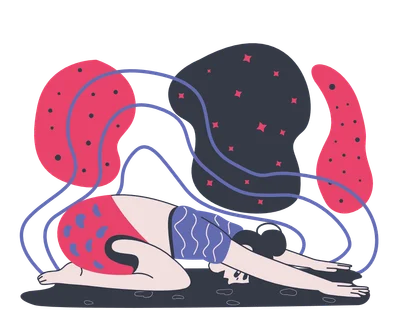
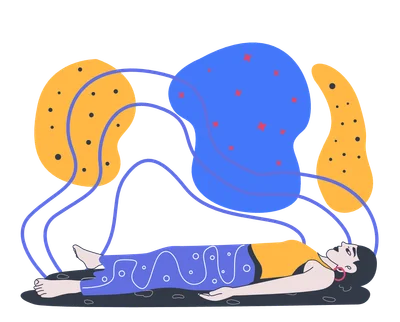
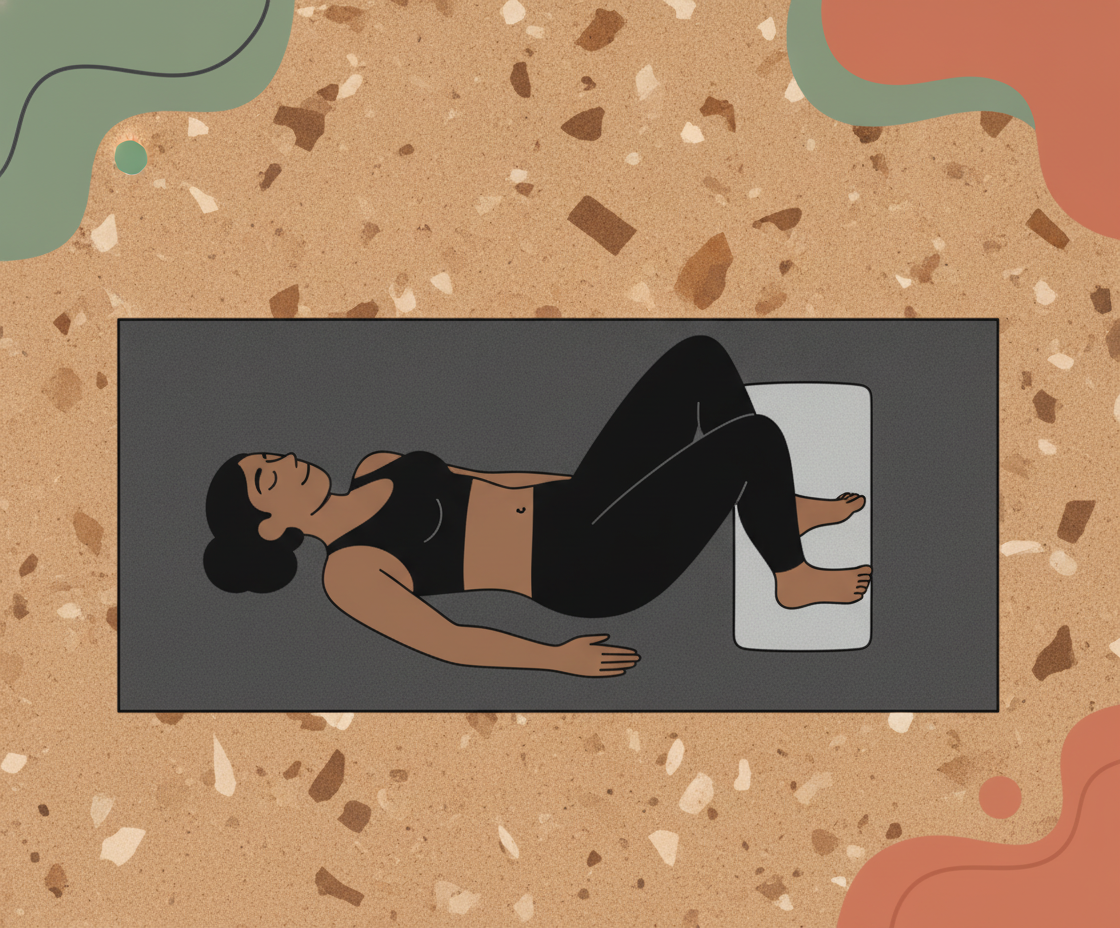
Savasana seems inconspicuous but is the actual integration step. In this complete calm, what has been experienced anchors itself more deeply in the nervous system, while the brain consolidates its freshly paved pathways. Without this phase, much remains head work. With it, building new habits through meditation becomes an experience that the whole body carries, not only the intellect alone.
Burdensome Thoughts and Feelings: The Role of Mindfulness in Addiction and Behavioral Change
Look honestly for a moment: the cigarette after the argument, the third beer in the evening, the hours of scrolling. Almost every bad habit is at its core a coping mechanism. It does not want to destroy, it wants quick relief from something that currently feels unpleasant. Anger, emptiness, boredom, tension. The behavior is the way out that your nervous system found the fastest.
This is exactly where mindfulness comes in, and indeed differently than most people think. It is not about meditating away or fighting the bad feeling. In practice, you learn the opposite: you let anger, shame or restlessness simply be there, observe them, without reacting immediately. That is overcoming addiction through meditation in its most honest form, not a fight but a letting-through.
Psychologically, this is called emotion regulation, the ability to feel a feeling without being overrun by it. A study published on PubMed shows that regular meditation has exactly this effect: we learn to perceive burdensome thoughts and feelings more consciously and deal with them better, instead of impulsively fending them off. The emotional charge that otherwise tips directly into automatic behavior loses its urgency.
Anyone who starts to sit feels more at first, not less. The pulling in the belly before reaching for the cigarette, the tightness in the chest when the impulse for the third beer comes up, the tingling in the fingers that pushes toward the phone. This is not a step backward but the moment in which mindfulness makes bad habits visible before they can take hold. Over time, a kind of inner buffer arises, a breath of distance between stimulus and reaction.
It is precisely in this in-between space that the freedom to act differently dwells. Meditation works here like a daily relaxation training for the nervous system that lowers the addiction pressure piece by piece. Not dramatically, but quietly, session by session, until serenity becomes the new foundation for changing habits through meditation.
Building New Habits: The Spiritual Core of Behavioral Change
Savasana anchors new neural patterns in deep letting go
Here lies the point that many overlook: with changing habits through meditation it is not about fighting away. You cannot go up against an old habit and stay relaxed at the same time; that contradicts itself. What really works is something else. You create an inner space in which the new can first even show itself. Meditation is like digging up a bed before you plant new seeds. Without this space, nothing new grows, no matter how hard you try.
Neurologically considered, this is no coincidence. The deep relaxation during the practice puts your brain into a state in which it is especially malleable, similar to soft clay. This neuroplastic effect means: old pathways lose strength, while new, consciously chosen connections can consolidate. That is exactly the difference between short-term discipline and real behavioral change through meditation. You don't program against yourself but with yourself.
In yoga philosophy this is called conscious creatorship, the idea that you don't merely execute reactions but actively shape reality. Every session is a small decision: which thoughts do I let grow, which do I let go. That is the spiritual core behind building new habits through meditation. You don't wait for motivation, you cultivate it through repetition and attention.
It is exactly this conscious letting go of old patterns that is the core of Om Namah Shivaya, a mantra for transformation, devotion and the power to free oneself from what no longer serves. As a daily reminder of this attitude, there is our Shiva shirt, our Shiva hoodie, so that you always carry this energy with you even off the mat.
In practical terms this means: set yourself small, concrete rituals after the meditation, a glass of water instead of the cigarette, three deep breaths instead of reaching for the phone. Mindfulness toward bad habits means consciously feeling the moment of choice before the old automatism takes hold. It is exactly in this tiny gap between impulse and action that your freedom arises, and with each session this gap becomes a bit wider.
Conclusion: Your Path to Letting Go, Meditation as a Daily Practice
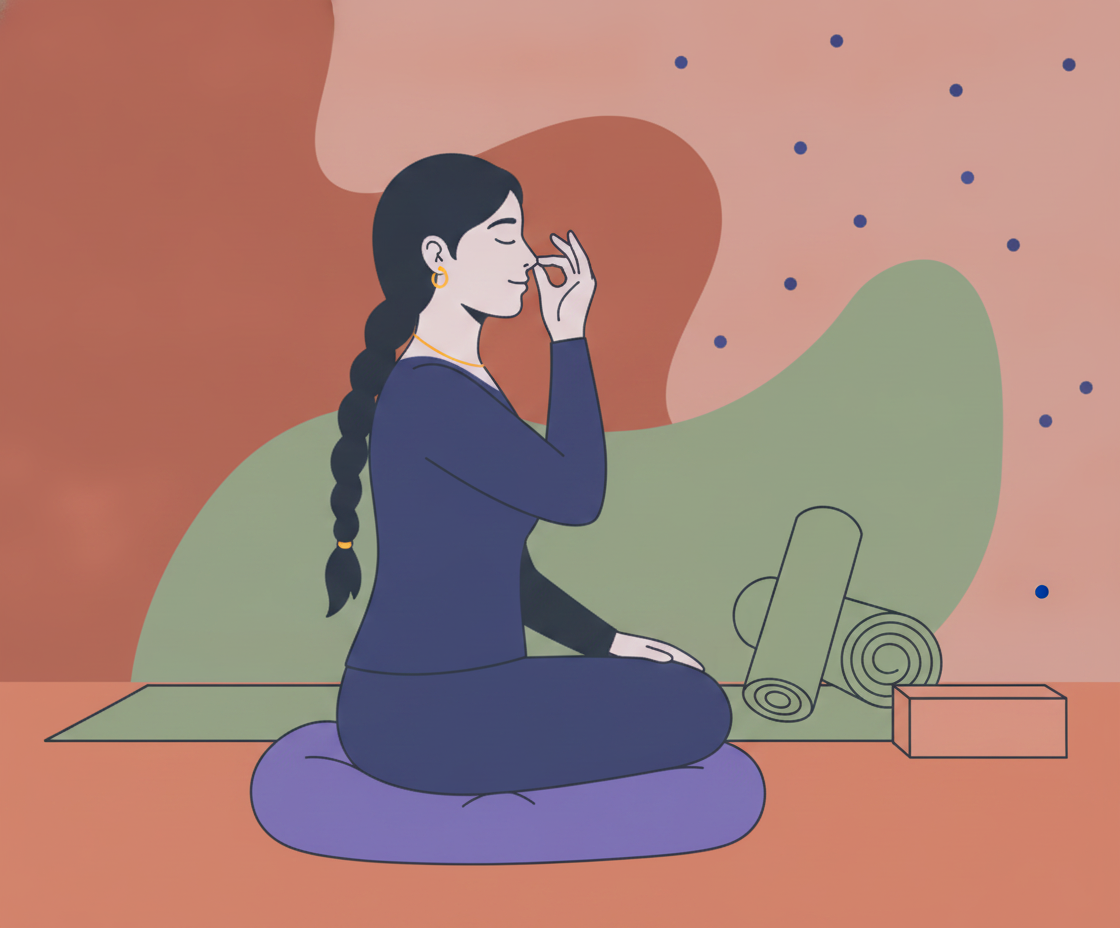
Let me make one thing clear before you close this article: overcoming bad habits is not a feat of strength. It is not a battle that you win with clenched teeth. It is a practice of awareness that unfolds a bit more day by day. You need no hour, no perfect morning routine, no special cushion. Ten minutes are enough. Sit down, breathe, observe. Not as a compulsory exercise but as a quiet reminder that you can change.
Combine this meditation with mindful asanas. Balasana, child's pose, grounds you when the head is too full. Savasana teaches you to let go completely, without control, without an agenda. Both postures remind your body how safety feels, entirely without the old habit. That is meditation for behavioral change in its simplest form: body and mind work together, not against each other.
Observe without judging. It is precisely there that the actual freedom from old patterns lies, not in the fight but in loving inner presence. Start today. Not perfectly, only honestly. Your inner world slowly restructures itself, quietly, persistently, unstoppably.