Emotional Balance
The Days That Tip Too Easily
Some days a small thing lands bigger than it should. Someone's tone at breakfast, a slow reply to a text, and suddenly the whole morning feels off. It's not that the thing was actually that big. It's that there wasn't much room left to absorb it.
A lot of these poses work through the chest and the sides of the body, backbends that open the front of the heart, side bends and twists that move through the ribs without losing the base underneath. There's a real physical link between a guarded chest and a guarded mood, and opening one tends to loosen the other, at least a little.
In the old system this sits at Anahata, the heart centre, right in the middle of the chakras, between the more physical ones below and the more mental ones above. That's not an accident. Emotional balance usually means holding both at once, the body and the thinking mind, without either one running the show.
Maybe it's feeling more reactive than usual, tearing up at something small or snapping over nothing. Maybe it's the opposite, everything muted, hard to feel anything clearly either way. Neither one responds well to being told to calm down. What tends to help is movement that opens the chest and steadies the base at the same time, giving the feeling somewhere to go instead of somewhere to hide.
Backbends — Opening Without Guarding
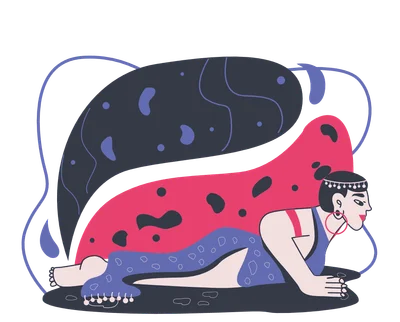
Ardha Bhujangasana
A small lift of the chest off the floor, gentle enough to do slowly and repeatedly. It's often the first backbend people try, and a good one, since there's no room to force it.
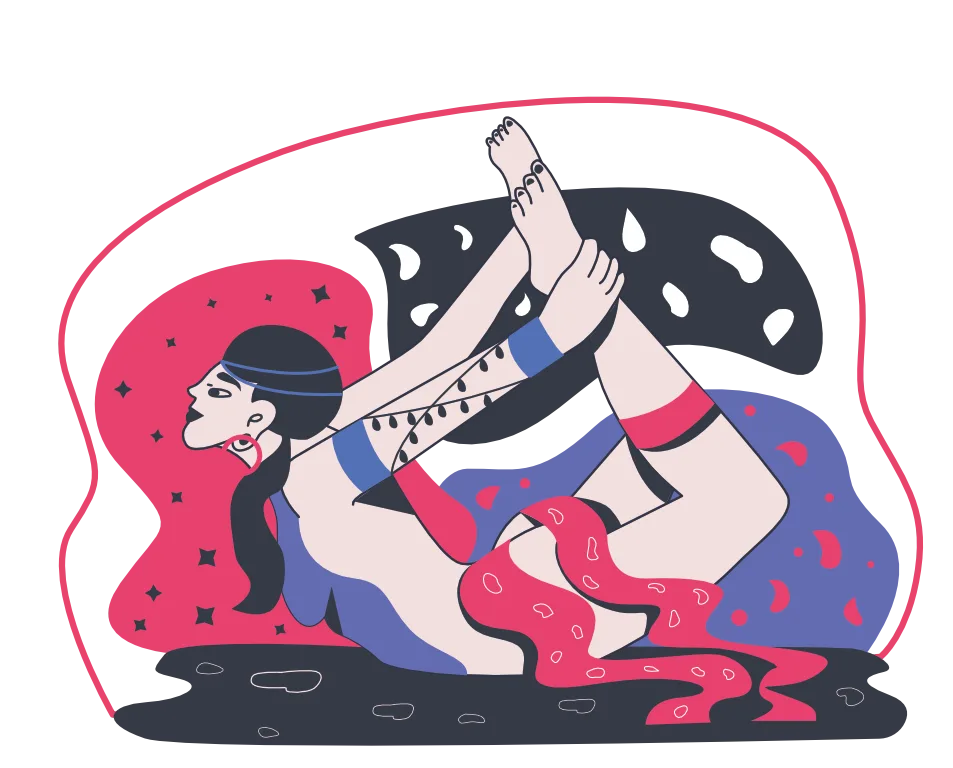
Dhanurasana
Chest and thighs both lift at once, held by the hands gripping the ankles. It opens the front of the body more than most poses on this page, which can bring feeling up along with it.
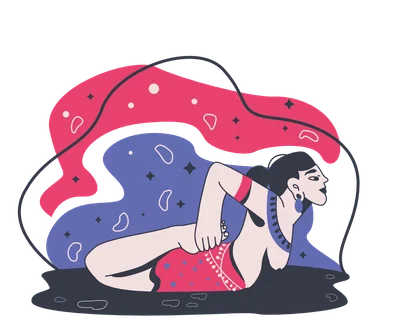
Bhekasana
An intense quad and chest opener at the same time, held rather than moved through. Staying with the intensity instead of backing out early is most of what this pose actually asks.
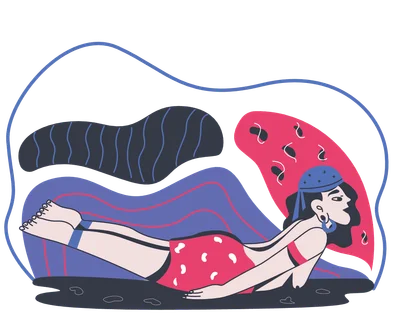
Shalabhasana
A backbend with no hands to push from, just the muscles of the back lifting the chest and legs together. It's honest in a way the hand-supported backbends aren't, there's nothing to lean on but yourself.
Standing Steadiness
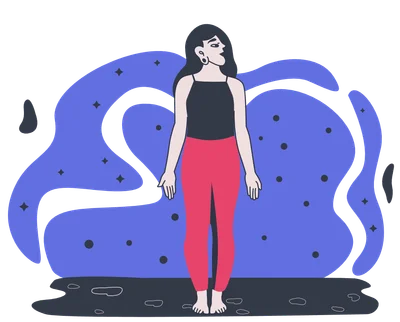
Tadasana
The plainest standing shape there is, and often the hardest to actually feel calm in. Weight even, spine tall, nothing to distract from whatever's happening internally.
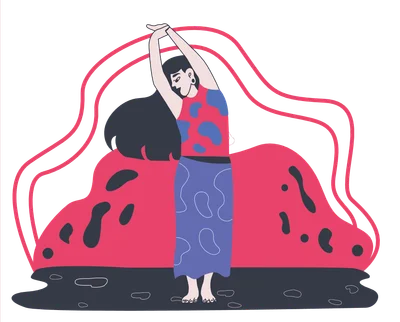
Parshva Tadasana
A gentle reach to the side from an otherwise still base. The ribs get room to move that they don't usually get, which is most of the point.
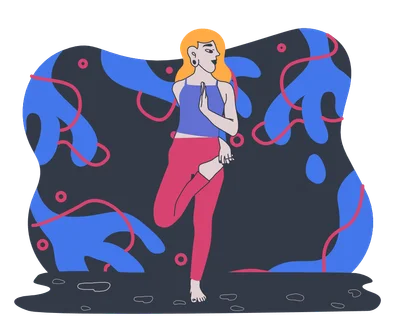
Vrkasana B
A one-legged balance with the raised leg turned out low. Staying steady here while something, anything, tries to pull your focus away is a small, repeatable practice in not tipping over.
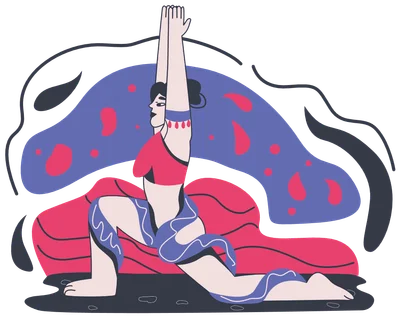
Anjaneyasana
A deep lunge that opens the front of the hip and, with the arms reaching up, the chest as well. Both halves of the body opening at once, upper and lower, is unusual, and it tends to shift mood along with muscle.
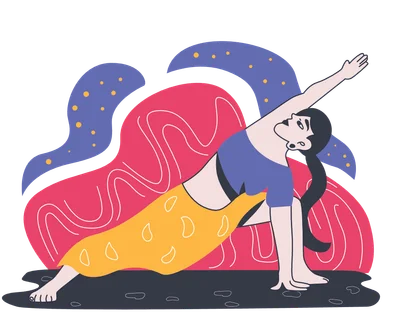
Utthita Parsvakonasana
A long line from the back foot to the reaching fingertips, opening one whole side of the body. It's a big stretch through the ribs, which is exactly where a held breath tends to live.
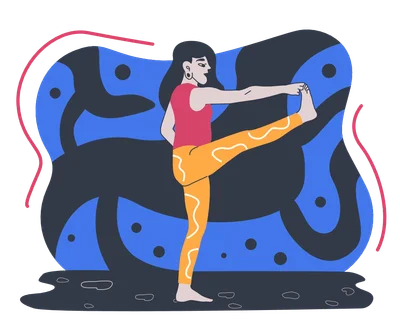
Eka Hasta Padangusthasana A
A held leg and a steady standing base. There's not much room for the mind to wander when one small wobble means starting over.
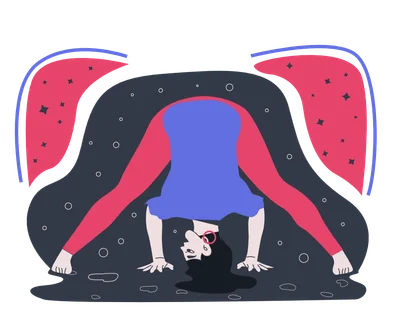
Prasarita Padottanasana
A forward fold with real weight settling into the crown of the head. It's a quiet, inward pose, one of the few standing shapes on this page that asks you to look at nothing at all.
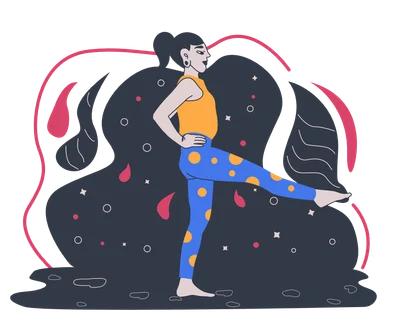
Eka Hasta Padangusthasana C
The held leg extends forward this time, adding a hamstring stretch to the balance challenge. It asks for the same steady attention as the other single-leg holds, just with more to manage at once.
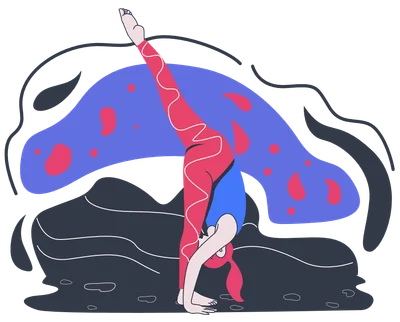
Urdhva Prasarita Eka Padasana
One leg lifts high behind you while the standing leg and the fold both stay controlled. It looks dramatic, but the actual work is staying calm inside something that looks harder than it needs to feel.
Standing Twists — Movement Without Losing the Base
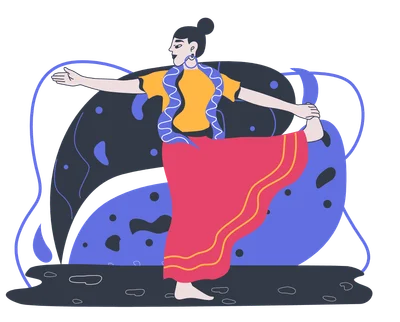
Parivrtta Hasta Padangusthasana
A twist added on top of an already demanding balance. The rotation has to move through the spine, not the panic of losing the shape, or the whole thing falls apart.
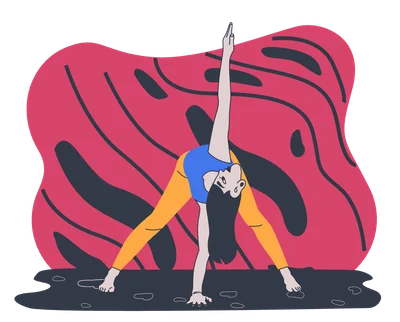
Parivrtta Prasarita Padottanasana
A wide stance with a full spinal rotation and one arm reaching for the floor. Twists like this move through the body the way a difficult feeling does, passing through rather than staying stuck.
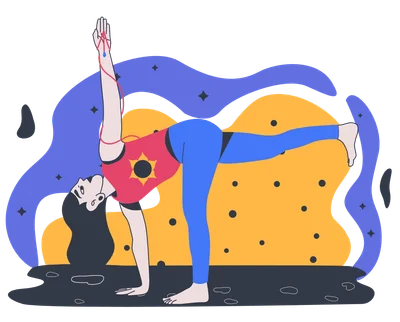
Parivrtta Ardha Chandrasana
Balance and rotation held together, with very little support beyond what you're actively generating. It's one of the more demanding poses here, physically and in terms of composure.
Arm Balances and Side Bends
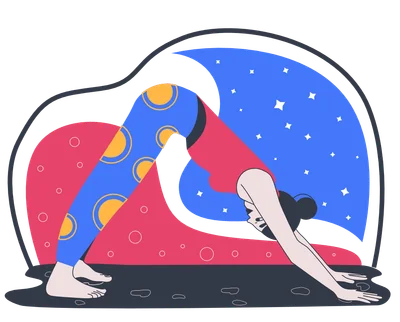
Adhomukha Shvanasana
An inversion of sorts, gentle enough to rest in, and often the pose people return to between everything else. The head lower than the heart tends to have a quieting effect on its own.
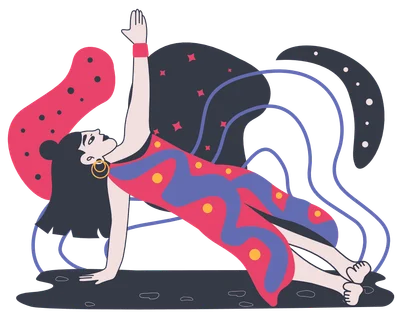
Vasisthasana
A long line held on one arm, opening the whole side of the body that's facing up. The obliques on the standing side are doing real work, but the chest is what actually opens.
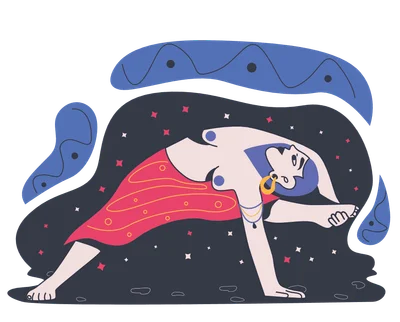
Visvamitrasana
A demanding arm balance with a deep side stretch built in. It asks for strength and openness in the same shape, which is a fairly literal description of what emotional balance actually requires.
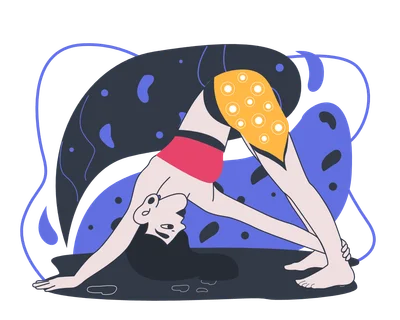
Parivrtta Adho Mukha Svanasana
A twist added to an already grounding shape, one arm threading under the body. The base has to hold steady while the ribs rotate through it.
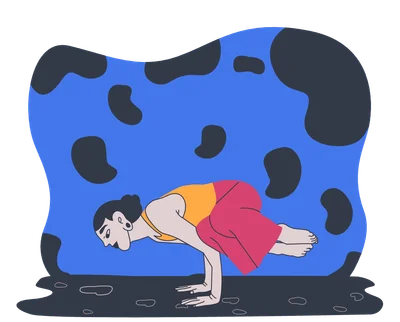
Parsva Bakasana
An arm balance rotated sideways, asking the core and the twist to work together rather than fighting each other. There's not much room here for a distracted mind.
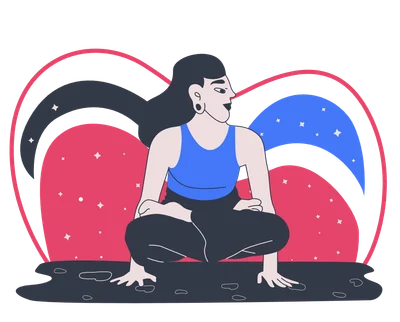
Tolasana
Hands planted, the whole body lifted off the mat. It's a small, contained effort, and often a good one to end an intense sequence on, since it asks for focus without asking for much space.
Kneeling and Seated — Side Bends and Stillness
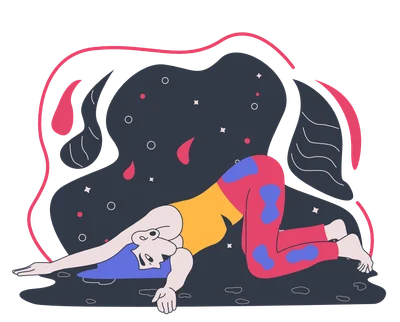
Parsva Balasana
One arm threads under the body while the hips stay low. It's a gentle twist, more about softening than working, a good place to land after something more demanding.
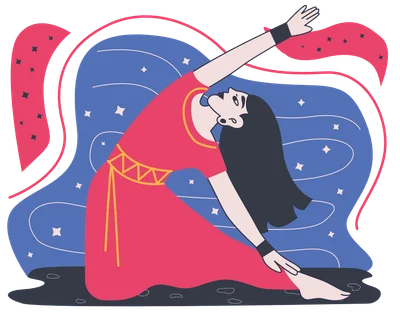
Parighasana
A kneeling side bend, opening the whole side of the ribcage while the kneeling leg stays grounded. The stretch reaches somewhere most poses don't, the muscles between the ribs.
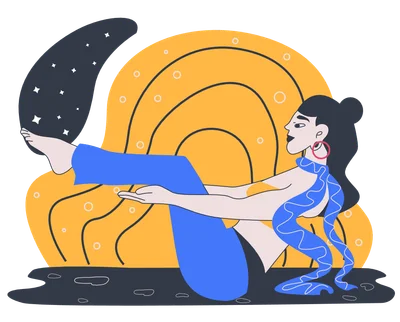
Paripurna Navasana
A held V-shape with real effort in it, no help from the arms or legs. It's less about opening and more about proving to yourself that you can hold something difficult and stay steady inside it.
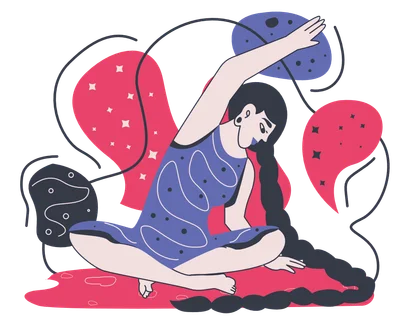
Parsva Sukhasana
A simple cross-legged seat with a side reach layered on. The stretch through the ribs is gentle, which makes it a good place to notice how much you're actually holding in the chest without trying to fix it yet.
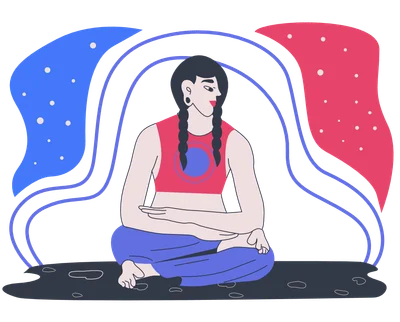
Agni Stambhasana
Shins stacked, an intense hip opener that has nothing to do with the chest directly, but staying present with real discomfort instead of shutting down is its own kind of emotional practice.
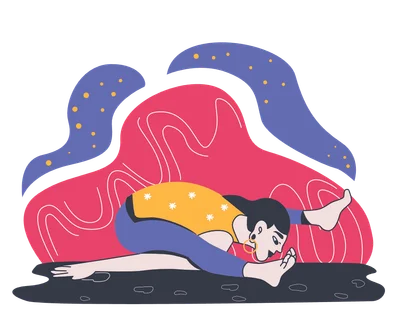
Kurmasana
A deep, folded-in shape, almost the opposite of the backbends above. Sometimes balance means opening, and sometimes it means being allowed to close in for a while. This pose is the second kind.
Lying Down and Upside Down
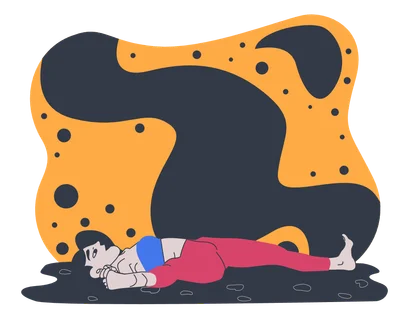
Supta Hasta Padangusthasana B
Lying down, one leg extended out to the side. Removing the standing effort lets the stretch through the inner leg and hip be the whole focus, nothing else competing for attention.
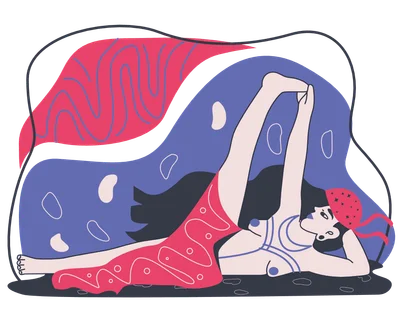
Anantasana
A side-lying balance, unusual and a little playful. It's hard to stay tense in a shape this specific, which might be the actual point of including it here.
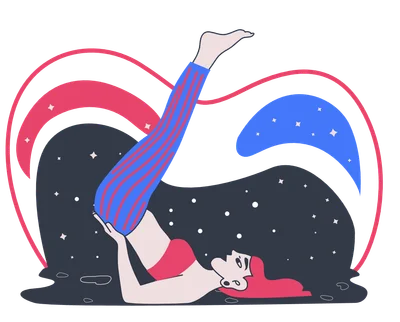
Viparita Karani
Legs resting up a wall, the whole nervous system getting a break from holding anything up. This is usually the pose that ends a practice like this, less about opening the heart and more about letting everything that opened settle back down.
A 20-Minute Emotional-Balance Sequence
Same idea as always. Not five random poses, there's a build to it: arrive steady, open the chest a little more with each pose, meet a full backbend, then spend the second half undoing the effort rather than the opening.
- 1Mountain Pose1 minute
Arrive. Weight even, spine tall, noticing whatever's already there before adding anything.
- 3Extended Side Angle Pose5 breaths each side
Build. A long stretch through the ribs, opening one whole side at a time.
The practice opens the chest a little more with each pose, then spends the last two undoing the effort rather than the opening itself. Feeling more doesn't need to mean staying activated. The point is to let it move through and then rest.
Teaching a Emotional Balance Class
Don't rush backbends, and don't over-explain what might come up in one. Some people get quietly emotional in Bow Pose or Locust Pose and would rather nobody comment on it directly, a soft "take your time" is usually enough. Balance the opening with the twists and the closing shapes rather than ending on the biggest backbend, chest openers without a comedown can leave people activated rather than settled. Building a full class around this theme: the Sequence Builder lets you start from any of these poses and adjust hold times, order and how much standing versus floor work you want.
Open the Sequence Builder →Build Your Emotional Balance Practice
Get my practiceFrequently Asked Questions
What makes a yoga pose good for emotional balance?
Mostly backbends that open the chest, and side bends or twists that move through the ribs without losing the base underneath. The chest is where a lot of people physically hold guardedness, and poses that open it tend to loosen the mood a little too.
Why do backbends sometimes bring up unexpected emotion?
There's no fully settled answer for this, but plenty of teachers notice it, myself included. Opening the front of the body, especially the chest, seems to loosen something that a closed, protective posture keeps held in place.
How long should I hold an emotional-balance pose?
Five to eight breaths on most of these, longer on the gentle floor poses like Legs Up the Wall, which can go three to five minutes. The backbends work better held briefly and repeated than forced into one long hold.
Are these poses suitable for beginners?
Yes, start with Mountain Pose, Baby Cobra and Legs Up the Wall. The deeper backbends and arm balances further down are worth building toward. This is general information, not medical advice. See the medical disclaimer.
Related Practices