Self-Love & Self-Worth
The Voice That Narrates Your Own Practice
Notice what you say to yourself when a pose doesn't work, when your balance wobbles, when you're clearly the least flexible person in the room. For a lot of people it's harsher than anything they'd ever say to a friend attempting the exact same thing. Self-love isn't about feeling great all the time. It's about not being cruel to yourself while you're figuring something out.
None of these poses fix that on their own. What they can do is give you repeated, low-stakes practice at noticing the harsh voice and choosing not to follow it, staying in a wobble without narrating it as failure, resting without feeling like you need to earn it first.
This sits at Anahata, the heart centre, the same one heart-opening poses lean on elsewhere. The difference here is direction. Heart-opening is often about being open to others. This page is about turning some of that same gentleness back toward yourself.
Maybe it's a habit of comparing your practice to everyone else's in the room, or a running commentary on your own body that you'd never say out loud. Maybe it's just noticing you rest less than you probably should, because resting feels like it needs to be justified first. These poses aren't a fix for that. They're just practice at doing something imperfectly and staying kind about it anyway.
Standing — Practising Without Perfecting
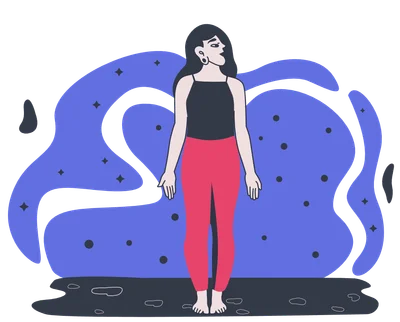
Tadasana
The simplest standing shape, and a good place to notice whether you can just stand there without immediately checking how you look doing it.
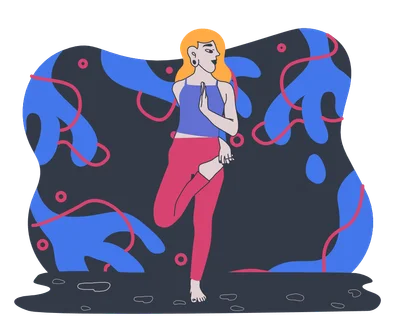
Vrkasana B
A balance that will wobble sometimes, for everyone, regardless of experience. What matters here is how you react to the wobble, not whether it happens.
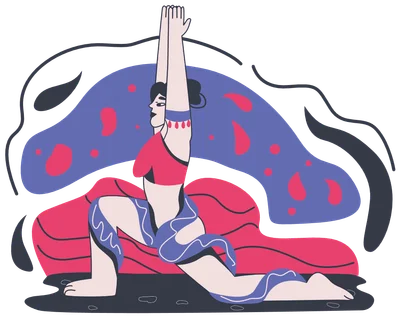
Anjaneyasana
A deep lunge that asks a lot of the front hip. Backing off when it's genuinely too much, rather than pushing through to prove something, is the actual practice.
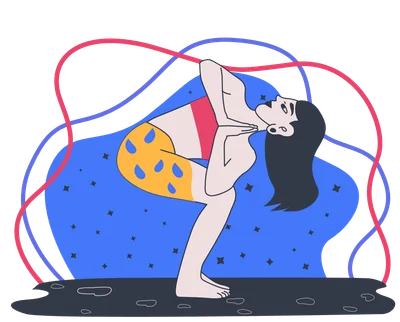
Parivrtta Utkatasana
A demanding squat with a twist. It's a reasonable place to notice whether you're breathing through the difficulty or holding your breath and gritting your teeth against it.
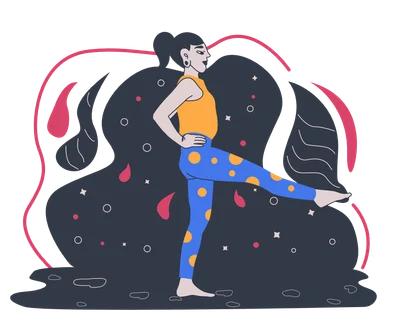
Eka Hasta Padangusthasana C
A balance that most people fall out of more than once while learning it. Falling out and resetting without frustration is worth practising here specifically.
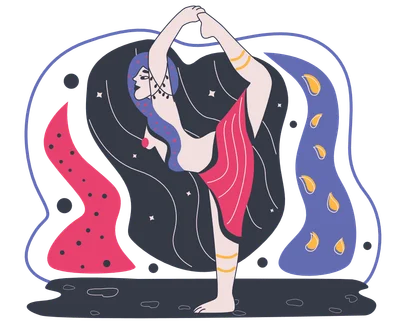
Natarajasana
An exposed, showy shape, which can bring up self-consciousness fast. Doing it anyway, imperfectly, is more the point than getting the final shape right.
Kneeling — Gentleness as the Whole Point
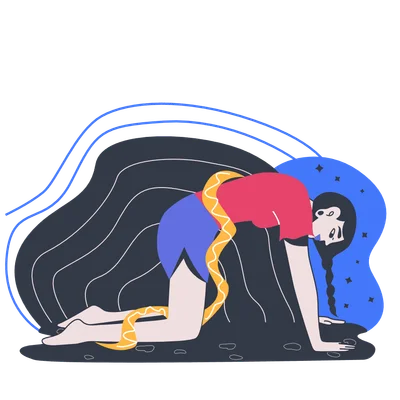
Marjaryasana
A slow, gentle movement with no version of it that counts as wrong. A good, low-stakes place to practise moving without judging the movement.
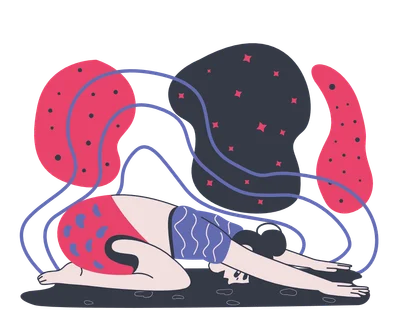
Balasana
Resting, with hips back and forehead down, and no requirement to have earned the rest first. It's available any time, mid-practice, for any reason or none.
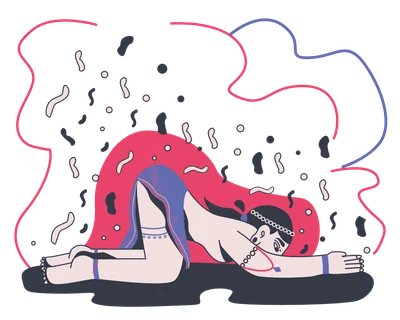
Anahatasana
A passive stretch that asks for softening rather than effort. It's a physical rehearsal for letting something be gentle instead of turning it into another thing to get right.
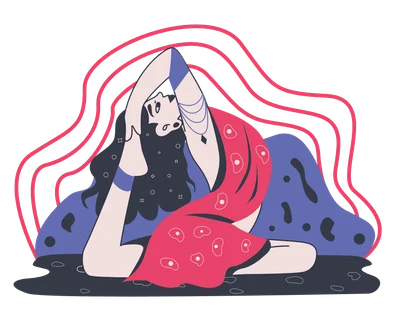
Eka Pada Rajakapotasana
A genuinely intense pose for most people. Meeting the intensity with curiosity rather than frustration at your own limits is worth more here than how deep the shape actually goes.
Lying Down — Resting Without Earning It
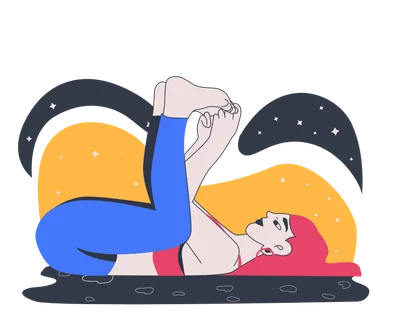
Ananda Balasana
Feet held overhead, a slightly silly-looking shape that's hard to take too seriously. Not every pose needs to look impressive to be worthwhile.
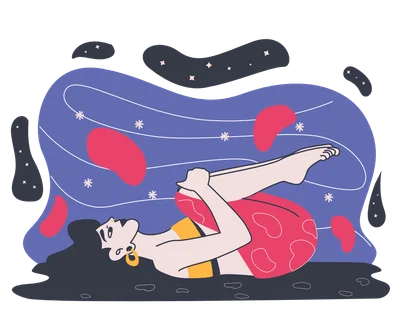
Apanasana
Simple and often used to close a practice. A good reminder that gentle poses count, they're not a lesser version of the practice.
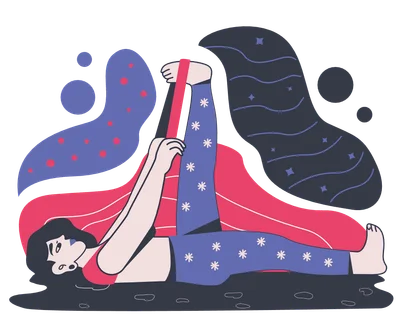
Supta Hasta Padangusthasana
Lying down removes the balance challenge, so this becomes about the stretch itself rather than performing the shape correctly for anyone watching.
Seated, Prone and Arm Support — The Body Doing Its Own Thing
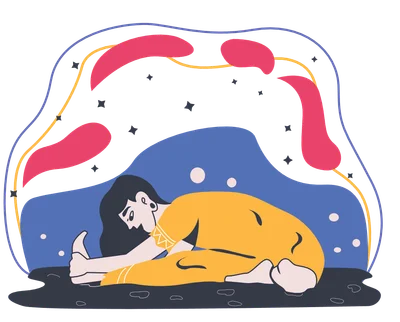
Janu Shirsana
One leg folds, the other extends, and how far the fold actually goes varies enormously between people and days. Comparing it to yesterday's version, let alone anyone else's, isn't useful information.
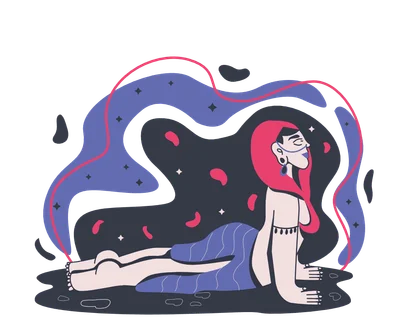
Bhujangasana
A backbend that opens the chest, and one that looks different on every single body depending on spine length and flexibility. There's no single correct depth to aim for.
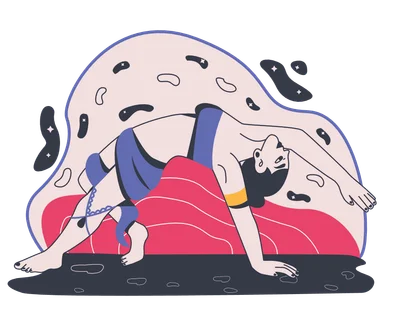
Camatkarasana
An unusual, exposed backbend from an arm-support position. It asks you to be seen mid-shape rather than tucked away, which is a small, physical version of the same discomfort self-love is meant to soften.
A 20-Minute Self-Love Sequence
Same idea as always. Not five random poses, there's a build to it: arrive gently, build through poses that will wobble or vary from day to day, meet the most intense hold of the practice, then wind back down deliberately, not as a consolation.
- 4One-Legged King Pigeon8 breaths each side
Peak. Meeting real intensity with curiosity instead of frustration.
The pose that asks the most of you, King Pigeon, sits in the middle, not the end. Everything after it is gentler, on purpose, a reminder that the practice doesn't have to end on the hardest thing to have been worthwhile.
Teaching a Self-Love & Self-Worth Class
Avoid language that implies a single correct depth for a pose, "wherever you are today is fine" does more than a demonstration of the deepest version. Normalize falling out of balances and resting mid-sequence without treating either as a setback. Building a full class around this theme: the Sequence Builder lets you start from any of these poses and adjust hold times, order and how much standing versus floor work you want.
Open the Sequence Builder →Build Your Self-Love & Self-Worth Practice
Get my practiceFrequently Asked Questions
What makes a yoga pose good for practising self-love?
Less about the specific pose and more about how you meet it, poses that wobble, that vary a lot between bodies, or that ask you to rest without earning it first all give you something concrete to practise being kind about.
Isn't self-love more of a mental practice than something a yoga pose can address?
Partly, but the body gives you real, immediate situations to practise on, a wobble, a fall, an intense stretch, rather than just thinking about self-kindness in the abstract.
How long should I hold a self-love pose?
As long as feels genuinely okay, and no longer just to prove something. Resting poses like Child's Pose can be held as long as you want.
Are these poses suitable for beginners?
Yes, the whole point is that difficulty isn't the measure here. Start with Mountain Pose, Cat Pose and Child's Pose. This is general information, not medical advice. See the medical disclaimer.
Related Practices