Emotional Release
The Cry That Shows Up Uninvited
There's a well-known, slightly embarrassing thing that happens in yoga classes: someone starts crying in Camel Pose, or Pigeon Pose, for no reason they can point to. Nothing bad happened. Nobody said anything upsetting. The body just released something that had apparently been sitting there, unnoticed, for a while.
Nobody fully agrees on the mechanism. The honest version is that certain deep, sustained holds, backbends especially, seem to loosen something that a more guarded, protective posture keeps in place. Whether that's purely physical, tight muscles finally letting go, or something more, is genuinely unclear. What's consistent is that it happens, often enough that experienced teachers stop being surprised by it.
This overlaps with heart-opening and letting-go elsewhere on this site, and it's not identical to either. This page is specifically about the poses most associated with that sudden, uninvited release, not the slow, gradual kind.
Maybe it's a feeling that's been sitting just under the surface without a clear trigger, or a sense that something needs to come out but you're not sure what. Maybe you've felt that unexpected wave before in a deep stretch and want to understand it rather than be startled by it next time. There's no guarantee any of this will do anything. It's just where that release tends to show up when it does.
Standing — Effort Before the Release
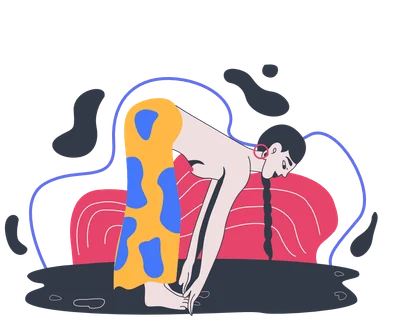
Ardha Uttanasana
A halfway fold, held flat-backed. It's a preparatory pose more than a releasing one, useful for building toward the deeper folds that follow.
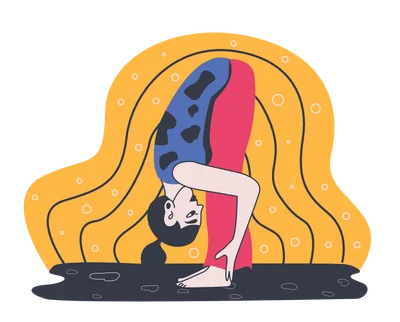
Uttanasana
A full fold with the head hanging heavy. Letting the neck actually release, rather than holding it stiff, is usually where this pose starts doing more than stretching the hamstrings.
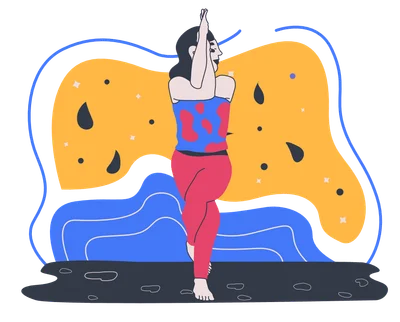
Garudasana
Arms and legs wrapped tightly around the midline, compressing the whole body inward before it eventually has to unwind. The release comes when you come out of the shape, not while you're in it.
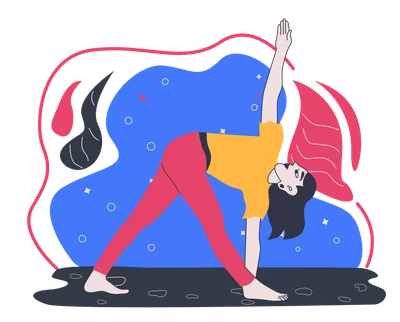
Parivrtta Parsvottanasana
A narrow fold with a twist, and twists in general seem to have their own relationship to release, wringing through the torso rather than opening it.
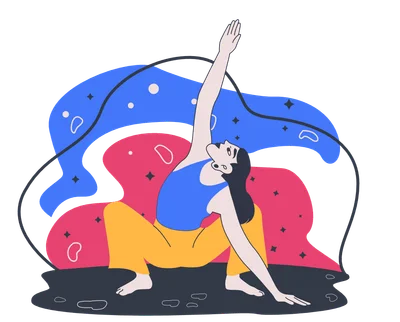
Parivrtta Malasana
A deep squat with a twist, low to the ground. The compression here, then the release on the way out of the pose, follows the same basic pattern as the twists above.
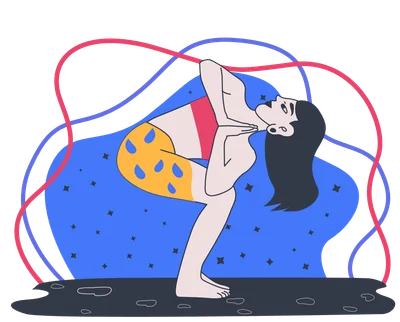
Parivrtta Utkatasana
A held squat with the spine twisted, an effortful pose to be in and a noticeable relief to come out of, which is part of what puts it on this page.
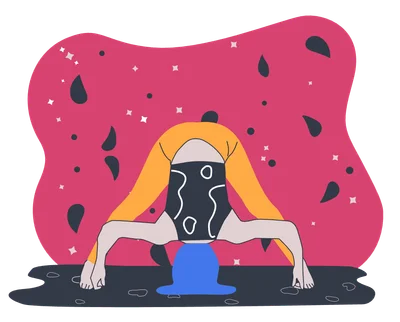
Prasarita Padottanasana D
A wide stance folding forward with the arms lifted behind the back, opening the shoulders on top of the fold, a pose with more than one release built into it.
Backbends — Where Release Often Happens Suddenly
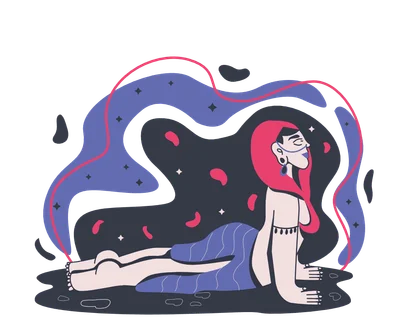
Bhujangasana
A deeper backbend than Baby Cobra, and one that comes up often in accounts of unexpected emotion in a yoga class. Nobody's entirely sure why, only that it happens.
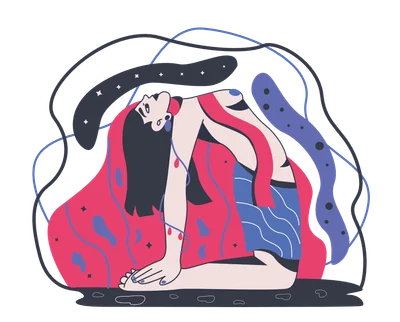
Ustrasana
Probably the single pose most associated with sudden emotional release in yoga. The throat and chest open fully, unguarded, and that specific vulnerability seems to matter.
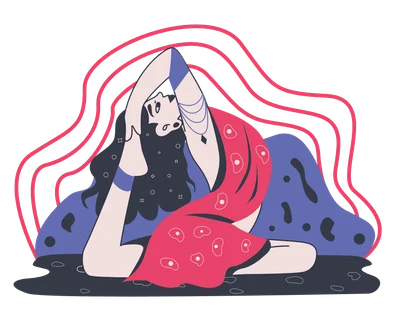
Eka Pada Rajakapotasana
A deep hip opener with a backbend layered on top, combining two of the areas most often linked to stored tension in one shape.
Kneeling — Slow Holds That Loosen the Grip
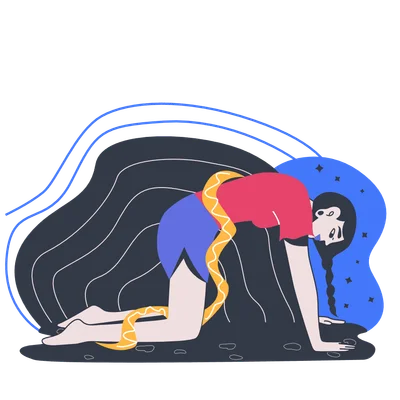
Marjaryasana
A slow, repeated movement rather than a held stretch. Sometimes release comes from repetition and rhythm rather than from one intense hold.
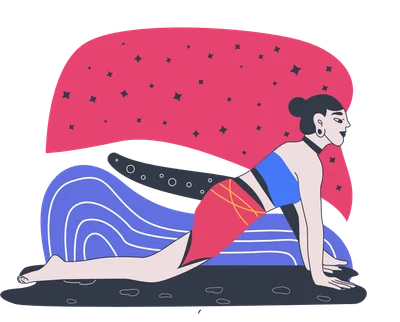
Utthan Pristhasana
A low lunge held deep and long. The hips are one of the areas most commonly described as holding tension, and this reaches them directly.
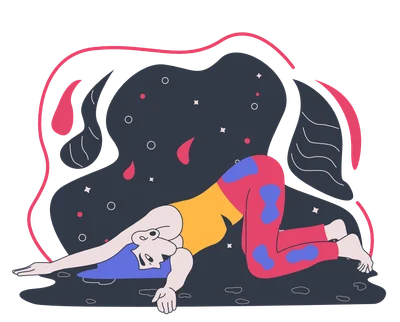
Parsva Balasana
A gentle twist with the hips low. It's mild compared to the rest of this page, which makes it a reasonable place to start if the more intense poses feel like too much.
Lying Down — Release Without Effort
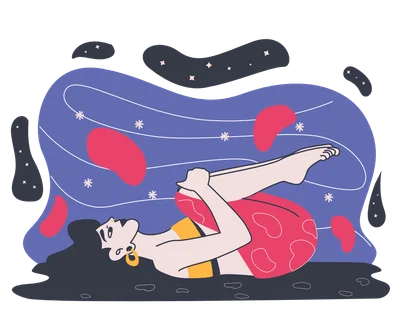
Apanasana
Knees drawn in and held. There's something quietly settling about making yourself smaller and held rather than open, a different kind of release than the backbends above.
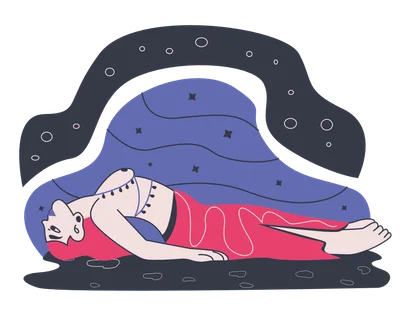
Matsyasana
The chest lifts and the head tips back, opening the throat fully while lying down rather than kneeling. A gentler cousin of Camel Pose's opening, without as much effort required to get there.
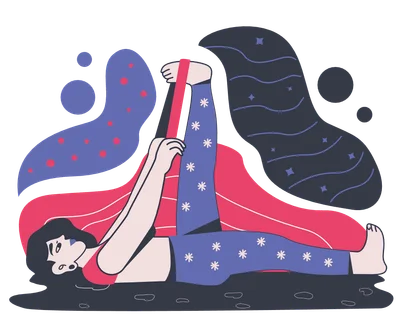
Supta Hasta Padangusthasana
Lying down removes the balance effort entirely, so a hamstring stretch that would otherwise take concentration becomes something closer to passive release.
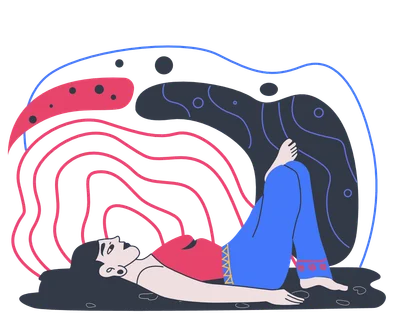
Supta Kaptasana
A hip stretch done lying down, gentler than the classic kneeling version and often the easier place to notice what's actually being held.
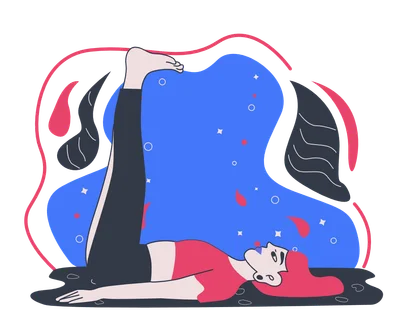
Urdhva Prasarita Padasana
Legs lifted and lowered slowly on the back. The controlled lowering, resisting the urge to just drop the legs, is its own small practice in release with control rather than collapse.
Seated — Twists That Wring Something Loose
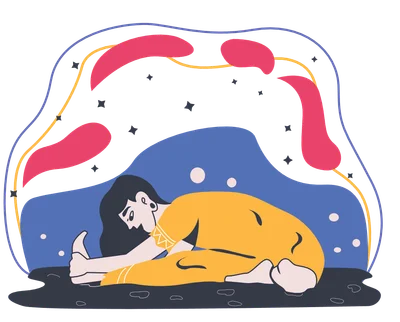
Janu Shirsana
One leg extended, folding forward over it. A quieter release than the backbends above, more about patience than intensity.
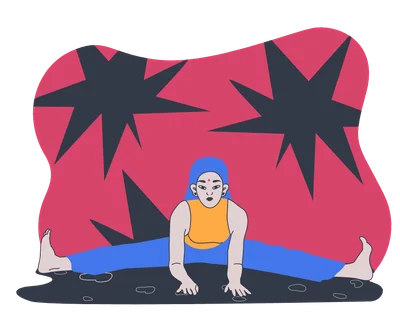
Upavistha Konasana
A wide-legged fold that opens slowly. Rushing it changes nothing except comfort, it only responds to time.
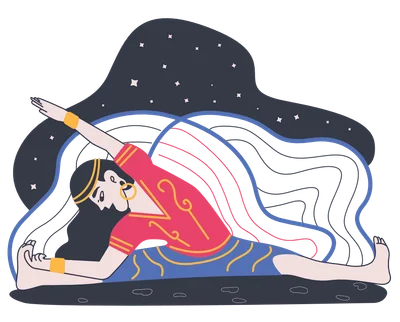
Parivrtta Upavistha Konasana
The same wide seat with a twist and a side bend added, reaching further through the torso than the fold alone.
A 20-Minute Emotional-Release Sequence
Same idea as always. Not five random poses, there's a build to it: arrive with slow movement, open the hips and the front of the body gradually, meet the pose most associated with sudden release, then give whatever comes up somewhere quiet to land.
- 2Standing Forward Bend1 minute
Build. Letting the neck actually release, not just stretching the hamstrings.
- 3Lizard Pose5 breaths each side
Build. The hips, one of the areas most commonly described as holding tension.
- 5Knees to Chest Pose1 minute
Release. Smaller and held, a different kind of release than the backbend before it.
Camel Pose sits at the centre of this practice on purpose, it's the pose most associated with that sudden, uninvited release. Everything before it opens the hips and the front of the body gradually, and everything after it gives whatever comes up somewhere quiet to land.
Teaching a Emotional Release Class
If someone gets emotional, especially in Camel Pose or King Pigeon, resist the urge to comfort loudly or draw attention to it. A quiet "take your time, you're okay" from a distance usually helps more than approaching directly. Don't schedule this sequence as someone's very first class, a little trust in the room and the teacher tends to make people more comfortable letting something surface. Building a full class around this theme: the Sequence Builder lets you start from any of these poses and adjust hold times, order and how much standing versus floor work you want.
Open the Sequence Builder →Build Your Emotional Release Practice
Get my practiceFrequently Asked Questions
Why do some yoga poses trigger unexpected crying or emotion?
There isn't a fully settled explanation. Deep backbends and hip openers seem to loosen something a more guarded posture keeps in place, and plenty of experienced teachers see it often enough to stop being surprised by it.
Is it normal to feel emotional in Camel Pose or Pigeon Pose?
Very. It happens often enough in group classes that most teachers have a quiet, low-key way of handling it. Nothing is wrong if it happens to you, and nothing is wrong if it never does.
How long should I hold an emotional-release pose?
Long enough to notice what's there, five to eight breaths on the backbends, longer on the passive floor poses. Rushing tends to just skip past whatever the pose might have brought up.
Are these poses suitable for beginners?
Yes, start with Cat Pose, Standing Forward Bend and Knees to Chest. Camel Pose and King Pigeon are worth easing into with lower expectations at first. This is general information, not medical advice. See the medical disclaimer.
Related Practices