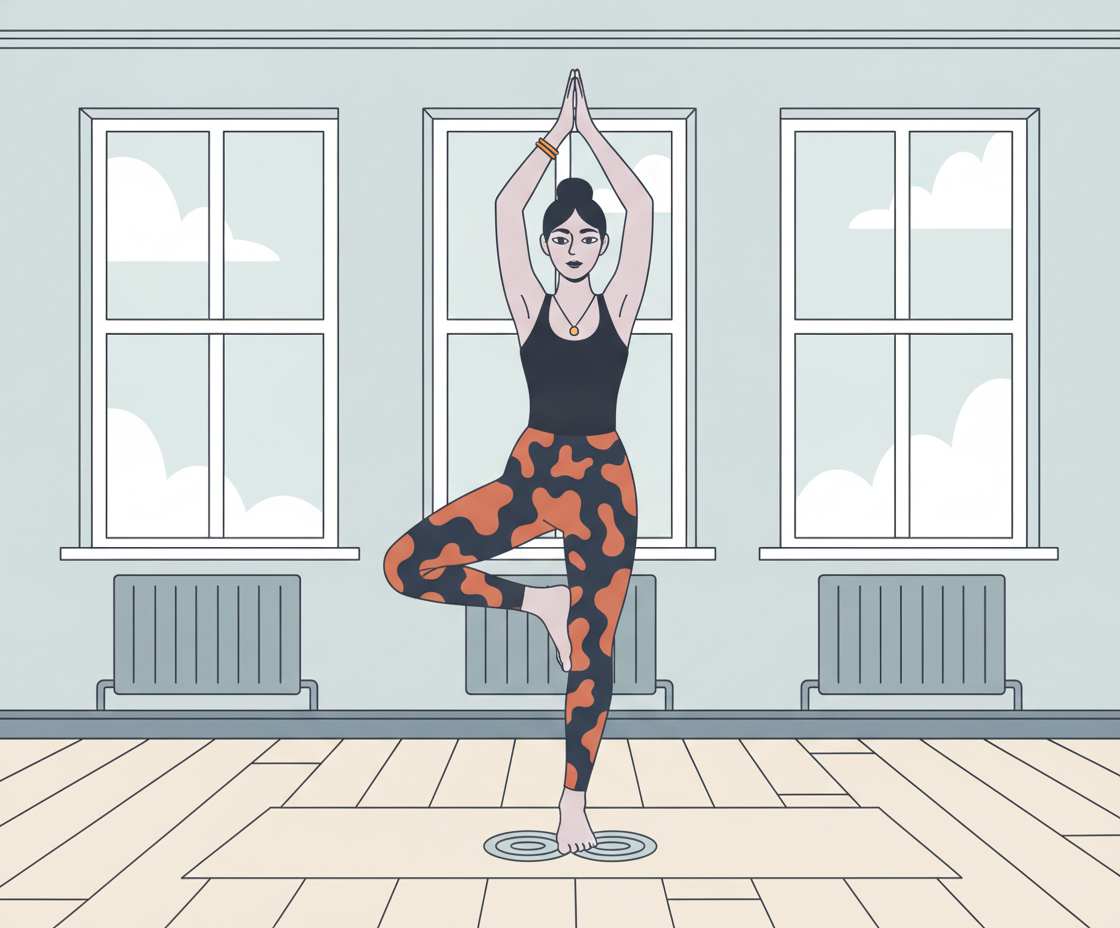
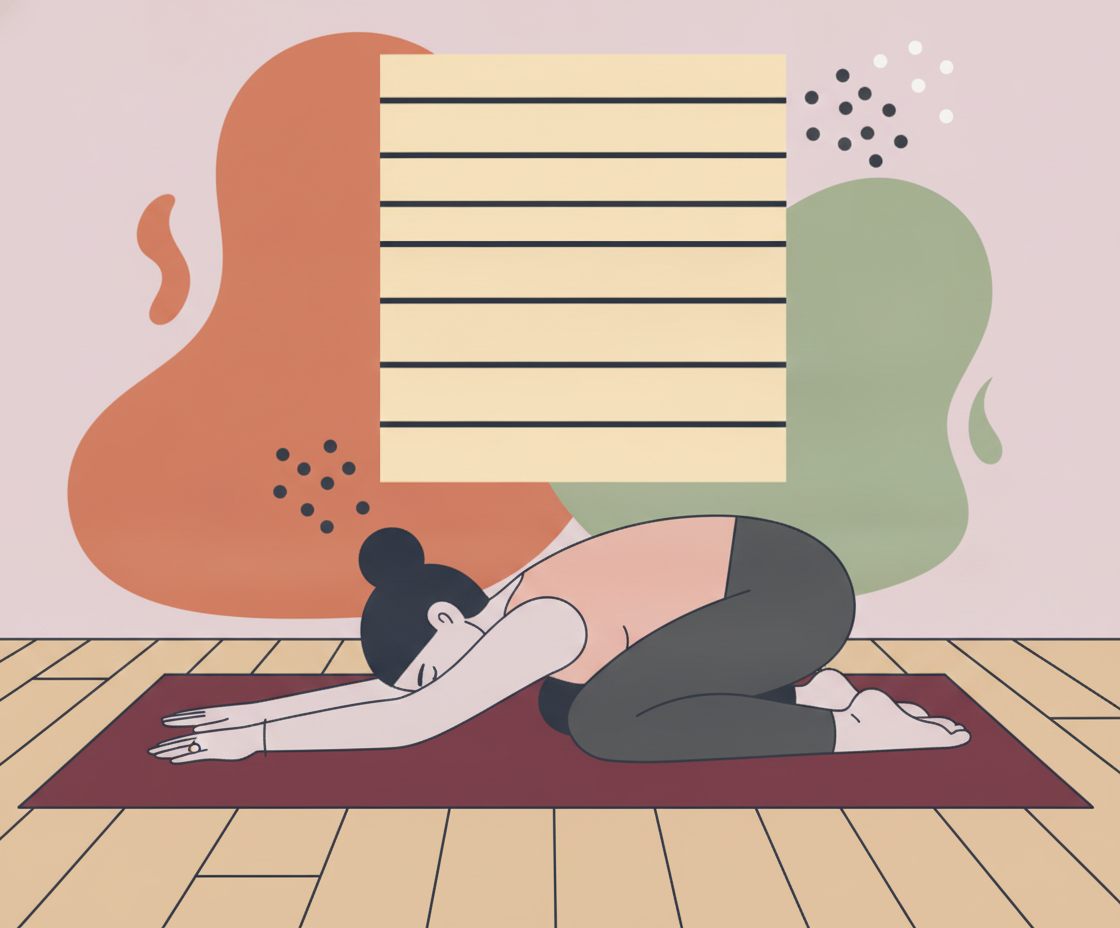
Let's be real for a second: most people hear "Kundalini yoga" and picture turbans, gongs, and something a little too mystical for a Tuesday evening class. I get that reaction. I trained in this practice for years before I ever taught a single class, and I still remember how skeptical I was the first time someone told me to chant while pumping my navel for three straight minutes. But strip away the theatrics and you'll find one of the most precise energy technologies yoga ever produced. This is my kundalini yoga der ultimative guide, and I'm writing it because this practice deserves better than vague spiritual marketing. Kundalini works directly with your nervous system, using breath, sound, and specific movement patterns to shift how energy moves through your body. The ancient yogis mapped this centuries before neuroscience caught up. You don't need to believe in mystical serpents coiled at the base of your spine to feel the effects. You just need to breathe the way I'm about to show you, and pay attention to what happens next.
What Is Kundalini Yoga? Foundations and Philosophy
So here's the actual definition, no fluff. Kundalini yoga is a deliberate, systematic practice designed to wake up a dormant reserve of energy that yogic tradition says sits coiled at the base of your spine. That's Kundalini Shakti. Not a warm-up routine, not a vibe. According to the teaching resource Yoga Vidya, kundalini yoga is primarily a structured path meant to unfold gradually, step by step, through consistent spiritual practice rather than one dramatic breakthrough. I tell my students this constantly because the internet loves to sell awakening as a lightning bolt. It's closer to soaking a dry sponge. You keep applying water and eventually the whole thing softens through. Studios that teach with this level of rigor exist all over the world. SHA-LA Studios in Berlin, with locations in Prenzlauer Berg and Kreuzberg, builds their whole approach around this gradual model, with a team focused on holistic wellness rather than quick fixes.
The Sacred Energy at Your Spine's Core
Picture the base of your spine, the root, as a kind of pressure cooker of untapped potential. The yogic model calls this Kundalini Shakti, dormant creative and vital force. The work of kundalini yoga isn't to yank this energy upward through force. That approach backfires, sometimes physically, often emotionally. Instead you build the internal conditions through asana, pranayama, mantra, and meditation so the energy rises because it's ready to, not because you dragged it. Think of a river finding its own channel after the ice melts naturally instead of you smashing through it with a hammer.
Why Kundalini Yoga Differs From Other Yoga Styles
Most yoga you've tried probably prioritizes the physical shape, the stretch, the sweat. Kundalini yoga treats the body as instrumentation for something subtler: the nadis, energetic channels carrying prana, and the chakras, which this tradition maps as actual centers of consciousness rather than poetic metaphors. That distinction matters. When we work sequences targeting specific chakras, we're not doing visualization for fun. We're addressing real patterns in your nervous system, your breath, your habitual tension. This is kundalini yoga for beginners in its truest sense: respecting your nervous system's intelligence, never overriding it. If you want to go deeper than a weekly class, look at teacher trainings that actually honor this lineage. Golden Bridge Yoga offers a Yoga Alliance certified Level One Kundalini Yoga Teacher Training built on Yogi Bhajan's original teachings, and Yoga Farm Ithaca runs a 200 hour Kundalini Yoga Teacher Training, both online and in person, trauma informed and Yoga Alliance registered, starting around $1099. Trainings like these show you kundalini yoga isn't a trend you dabble in for a month. It's a lineage with real depth underneath it.
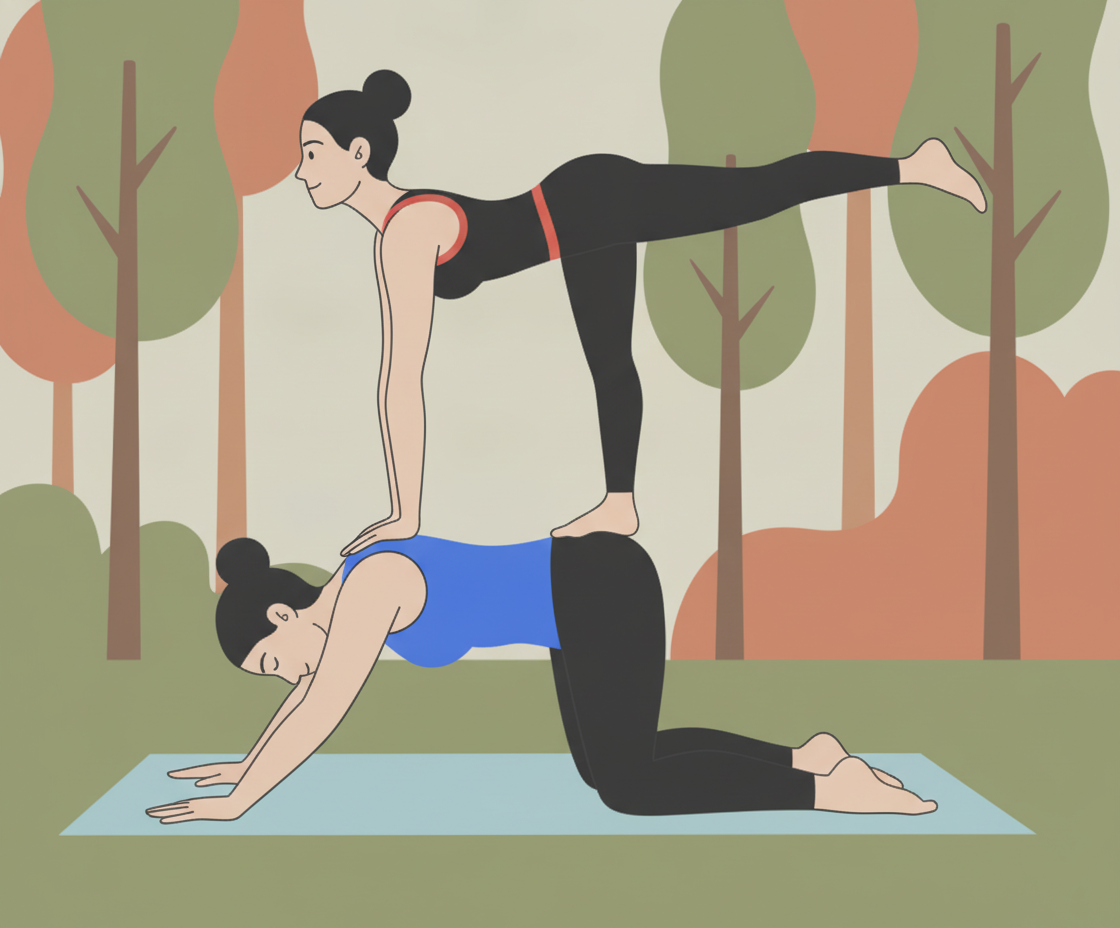
Adhomukha Shvanasana fördert den Energiefluss durch den gesamten Körper
The Seven Chakras: Energy Centers and Kundalini Activation
Root to Crown: Understanding the Chakra Pathway
Forget the idea that chakras are floating mystical discs somewhere above your body. Think of them as seven checkpoints along your spine where nerve plexuses, glands, and psychological patterns cluster together. Muladhara at the base handles safety and survival. Svadhisthana governs creativity and emotion. Manipura sits at your gut, running self-worth and willpower. Anahata at your heart processes grief and connection. Vishuddha in your throat holds truth-telling. Ajna between your eyebrows sharpens perception. Sahasrara at your crown opens into pure awareness. This is kundalini yoga chakren work, mapping real nervous system geography, not decoration.
How Kundalini Awakening Moves Through Each Center
Kundalini awakening, when it happens naturally through consistent practice, moves energy upward through these centers gradually, clearing old holding patterns as it goes. Each chakra has its own toolkit. At the root, grounding kriyas like Frog Pose and forceful breath of fire wake up the pelvic floor and legs, giving Muladhara something solid to push against. At the sacral center, hip circles and gentle spinal flexes loosen the fascia that stores old emotional charge. Manipura responds to core work: Stretch Pose, Boat Pose, and rapid breath patterns that light up the gut like a furnace.
Moving upward, Anahata opens through backbends and chest expansions such as Camel Pose or simple arm swings paired with long, slow exhales that soften the front of the body. Vishuddha responds directly to sound. Chanting at the throat literally vibrates the vagus nerve, so mantra repetition, especially long, drawn-out syllables, is the main tool here rather than pure asana. Ajna opens with stillness more than movement: seated meditation, eye-focused gazing practices like trataka, and alternate nostril breathing all sharpen this center without forcing it.
Sirsasana, the Headstand, plays a particular role near the top of this pathway. Inverting the body activates the crown chakra directly and pushes kundalini energy upward along the spine, but only when your shoulders, neck, and core have already built the stability to hold you there safely. I've watched students force this pose too early, chasing kundalini yoga erwachen like it's a finish line, and their nervous systems just tense up harder instead of opening. Root locks (Mula Bandha) support the entire pathway from below, firing the pelvic floor and releasing fascia that's been guarding old fear for years, which is exactly why the sequence works better bottom to top than top to bottom.
Real kundalini yoga wirkung shows up slowly: better sleep, steadier emotions, a quieter inner voice. Rushing the crown before the root is stable isn't awakening, it's overwhelm. Good kundalini yoga anleitung always builds bottom to top, patient and sequential, treating each center as it deserves: fully arrived in, not bypassed on the way to something more impressive.
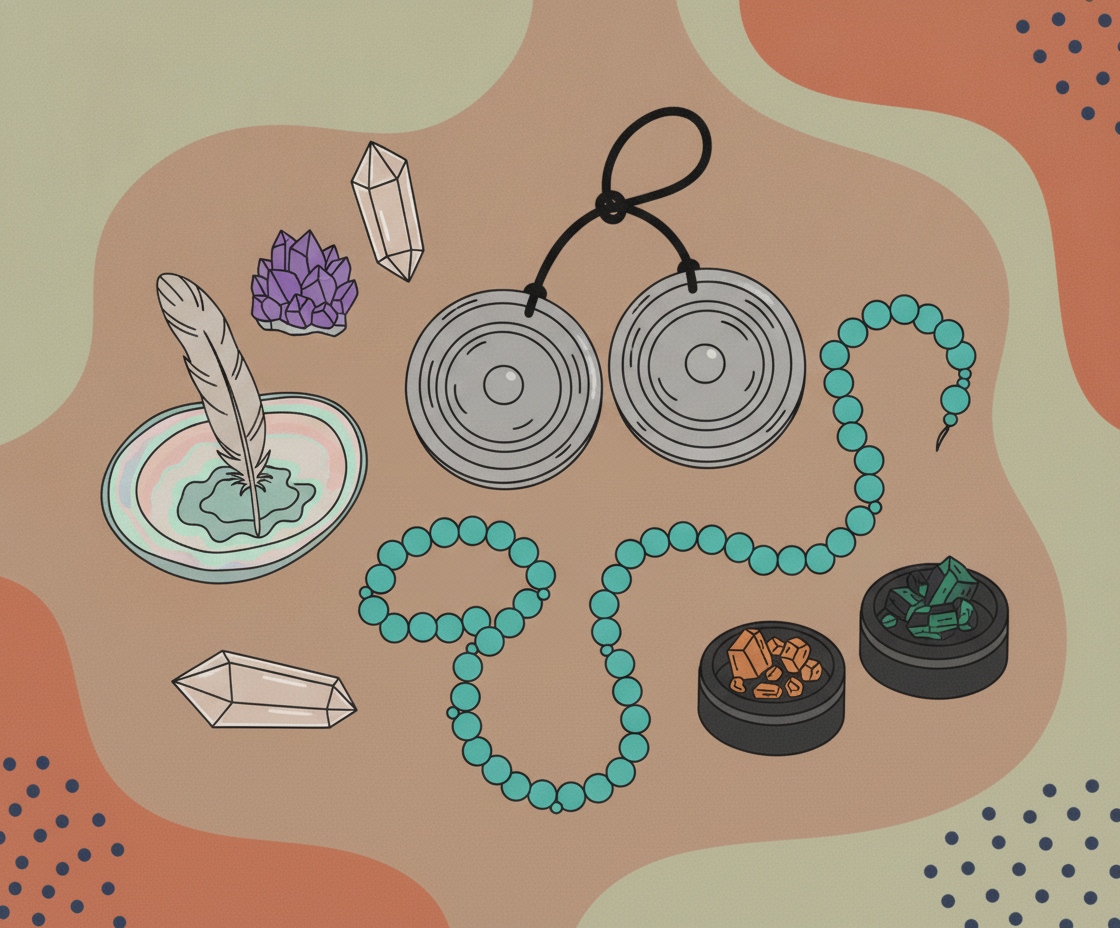
Ritualobjekte und Energiehilfsmittel unterstützen die Kundalini-Praxis
Core Kundalini Yoga Practices: Asanas, Pranayama, and Meditation
Essential Asanas for Energy Flow
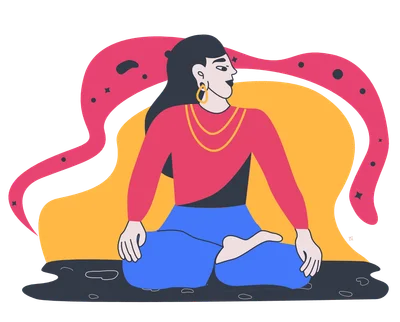
Padmasana, or Lotus Pose, is the classic seat for meditation in this tradition. Hips open, spine stacked like vertebrae on a string, hands resting on the knees. It's not about looking pretty cross-legged, it's about creating a stable base where energy can rise unobstructed through the central channel. If full lotus is out of reach for your hips, half lotus or easy pose with a cushion under your sit bones does the job just fine.
Adhomukha Shvanasana, Downward-Facing Dog, shows up constantly in a kundalini practice, and there's a reason. It lengthens the spine, opens the shoulders, and creates space along the back body where a lot of us hold tension without noticing. This opening primes the nervous system for the more intense breathwork coming next. Then there's Sirsasana, headstand, which practitioners use to stimulate the crown center once the lower body has done its grounding work. I never rush students into headstand. It's earned, not borrowed.
Kapalabhati, Breath of Fire, is rapid, rhythmic breathing through the nose with sharp exhales driven from the belly. It's stimulating, it wakes up the sympathetic nervous system, and it burns through mental fog fast. Alternate nostril breathing does almost the opposite: it balances both hemispheres and nudges you toward parasympathetic calm, the rest-and-digest state. Together they're a push and pull that trains your nervous system to shift states on command, which is really the whole point of this work on a physiological level.
Kirtan Kriya and Advanced Meditation Methods
Kirtan Kriya is where this style of meditation gets genuinely interesting from a research standpoint. Scientific studies referenced by 3HO Germany show this practice, chanting Sa Ta Na Ma while touching each fingertip to the thumb, actually influences brain function and supports neuroplasticity. Other research on practitioners of this tradition has found improvements in multisystem symptoms and cognitive capacity. I always tell students this isn't mysticism dressed up as science, it's a meditative technology that happens to hold up under a microscope, which makes this kind of inner activation something you can approach with curiosity rather than blind faith.
Kundalini Yoga for Beginners: Safe Awakening and Preparation
Here's the thing nobody tells you when you're googling kundalini yoga fuer anfaenger at midnight: this practice isn't a weekend hack. It's closer to learning an instrument. You don't start with the hardest piece, you build finger strength first. Same logic applies here. Rushing into intense kriyas before your nervous system is ready isn't brave, it's just poor sequencing. The resources at Yoga Vidya put it plainly: Kundalini Yoga is primarily a gradual, systematic path meant to unfold step by step alongside your broader spiritual practice, not a shortcut to some cosmic finish line.
Building a Solid Foundation Before Full Practice
Before you touch the more activating kundalini yoga uebungen, spend real time in the root chakra. Muladhara governs your sense of safety, and if that's shaky, sending energy upward just amplifies the wobble. I always have new students work legs and pelvic floor first: slow squats, grounded standing poses, long holds in Malasana. Strong legs literally give the energy somewhere stable to rise from. Pair that with honest emotional processing, journaling, therapy, whatever helps you metabolize old stuff, because unprocessed emotion tends to surface loudly once energy starts moving.
Signs of Kundalini Activation and How to Navigate Them
Spontaneous shaking, sudden heat, vivid visions, unexpected tears mid-practice. Students often panic thinking something's wrong. It's usually just your nervous system recalibrating, discharging stored tension the way a dog shakes off stress after a scare. That's the real kundalini yoga wirkung underneath the mythology. Still, pace yourself according to what's happening in your actual life. Grieving, sleep deprived, going through a divorce? Dial back the kundalini yoga anleitung intensity and lean into gentler kundalini yoga meditation instead. Work with a teacher who's walked this road themselves, someone who can read your chakren and nervous system, not just hand you a sequence. Kundalini yoga erwachen isn't a sprint toward enlightenment. It's a lifelong unfolding, and self-compassion is the whole engine that makes it sustainable.
Scientific Evidence: Neurobiology and Health Benefits of Kundalini Yoga
Here's where I get genuinely excited as a teacher: this stuff isn't just handed down through oral tradition anymore, it's showing up in brain scanners. If you've been skeptical about kundalini yoga because it sounds too mystical, good, that skepticism is healthy. But the research is catching up to the old texts in ways that surprised even me, and I want to name the actual studies here, not just wave at 'research says'.
Brain Imaging Studies and Neuroplasticity
One of the most researched practices here is Kirtan Kriya, a chanting meditation using specific finger movements called mudras, paired with the sounds Sa Ta Na Ma. A widely cited neuroimaging study led by Andrew Newberg at Thomas Jefferson University, published in 2010 in the Journal of Alzheimer's Disease, used SPECT scans on people practicing Kirtan Kriya for eight weeks and found measurable increases in blood flow to the prefrontal cortex, the region responsible for focus, decision making, and impulse control. A related trial from the same research group, the Beth Israel Deaconess Medical Center and Harvard-affiliated study on caregivers under chronic stress, also using an eight week Kirtan Kriya protocol, reported improved cognitive function and telomerase activity, a marker linked to cellular aging, alongside the neurological changes.
There's also evidence pointing to reduced amygdala reactivity in long term meditators generally, which in plain language means your brain's alarm system calms down and stops hijacking you at every minor stressor. I see this in students constantly. Someone who used to spiral for hours after a tense email starts noticing the trigger, breathing through it, and moving on in minutes. That's neuroplasticity in action, your nervous system literally rewiring its default response through repetition, though I want to be honest that most of the amygdala data comes from broader meditation research rather than kundalini yoga specifically, so treat it as a related finding, not a kundalini specific one.
Multi-System Health Improvements From Regular Practice
Beyond the brain imaging work, a 2017 review published in the Journal of Alternative and Complementary Medicine looked across multiple kundalini yoga trials and found consistent reports of better mood regulation, reduced anxiety symptoms, and improvements in heart rate variability, a measure of how well your autonomic nervous system shifts between stress and recovery. This tracks with what the chakra based framework in kundalini yoga aims for anyway, addressing the whole system rather than isolated symptoms. Better vagal tone and improved stress resilience show up again and again across these trials, even though sample sizes in this field are often small and researchers themselves call for larger studies.
None of this replaces medical care, and I'll never promise a cure. What the Newberg studies and the broader review offer is real, measurable support for a nervous system stuck in overdrive, backed by named research rather than vague claims. The catch is consistency. The Kirtan Kriya studies used daily practice over eight weeks to see changes. A single session won't rewire anything permanently. Weeks and months of practice will.
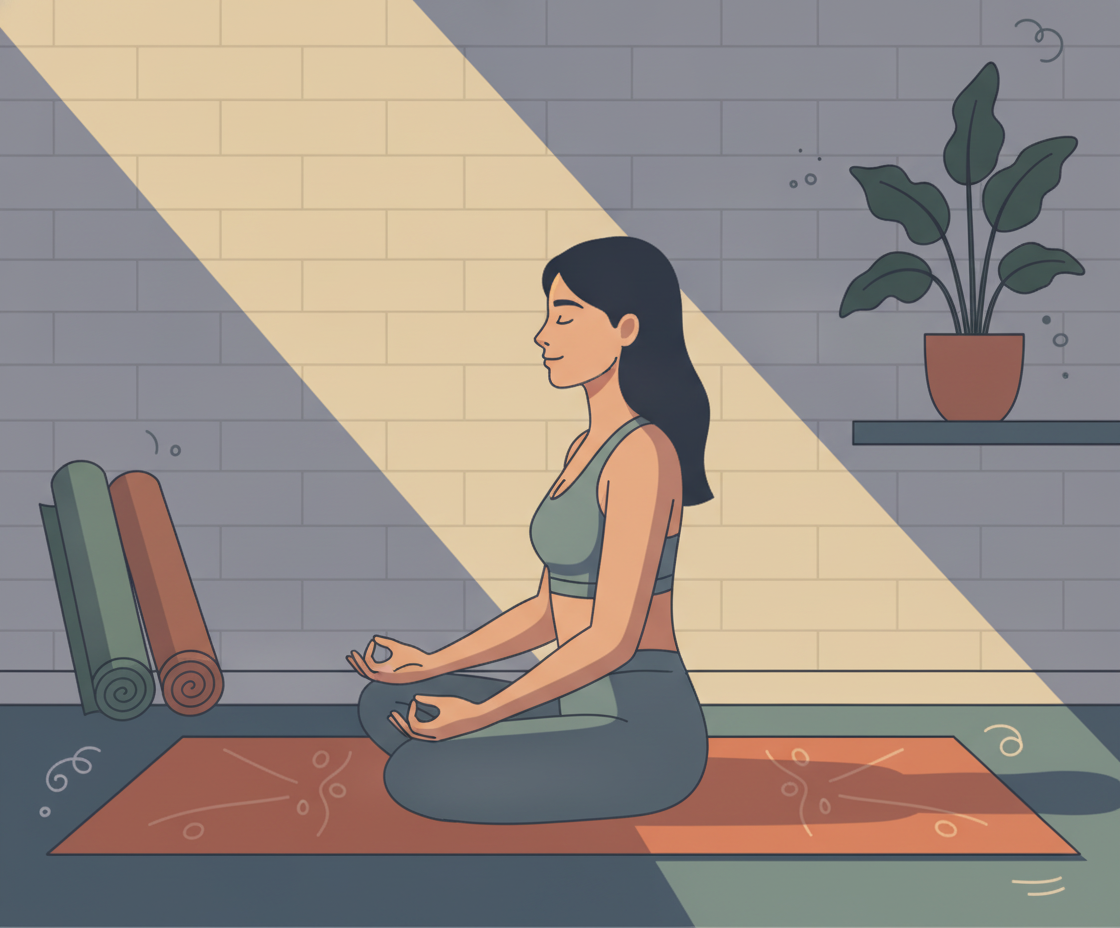
Regelmäßige Praxis in ruhiger Umgebung vertieft die innere Transformation
Begin Your Kundalini Journey: Next Steps and Commitment
So here's the honest truth after everything we've covered: you can't shortcut this with an app subscription or a weekend workshop that promises awakening by Sunday afternoon. Kundalini yoga is a lifetime relationship with your own nervous system, not a productivity hack. Treat it like one and you'll burn out fast, or worse, mistake intensity for progress. The real work is slow, humble, and unglamorous. That's exactly why it works.
Finding an Authentic Teacher and Community
Start by seeking a certified kundalini yoga instructor connected to an actual lineage, someone who's logged years of their own practice and can hold space when things get intense, because they will. Ask questions before joining a class: where did they train, who was their teacher, how long have they practiced. A good teacher won't be offended by this. Community matters too. Practicing alongside others who've felt the same shaking hands and unexpected tears during kriya normalizes the process and keeps you from spiraling into isolated overthinking.
Creating a Sustainable Daily Practice
Forget marathon sessions. Ten to fifteen minutes daily, grounding breathwork and simple kriyas before you touch anything advanced, builds the foundation your body actually needs. Keep a journal nearby. Write down what shifts, what resists, what surprises you. Patterns emerge over weeks that you'd never catch in the moment. And remember: the awakening itself isn't the prize. Living with more presence, patience, and honesty because that energy moved through you, that's the actual point. Stay curious, stay humble, and let it unfold on its own timeline.
This kind of daily discipline mirrors what the mantra Om Namah Shivaya stands for: surrender over control, stillness over noise, and the willingness to let old patterns dissolve. As a daily reminder there is our Shiva shirt, so you carry that grounded stillness with you long after you've rolled up the mat.